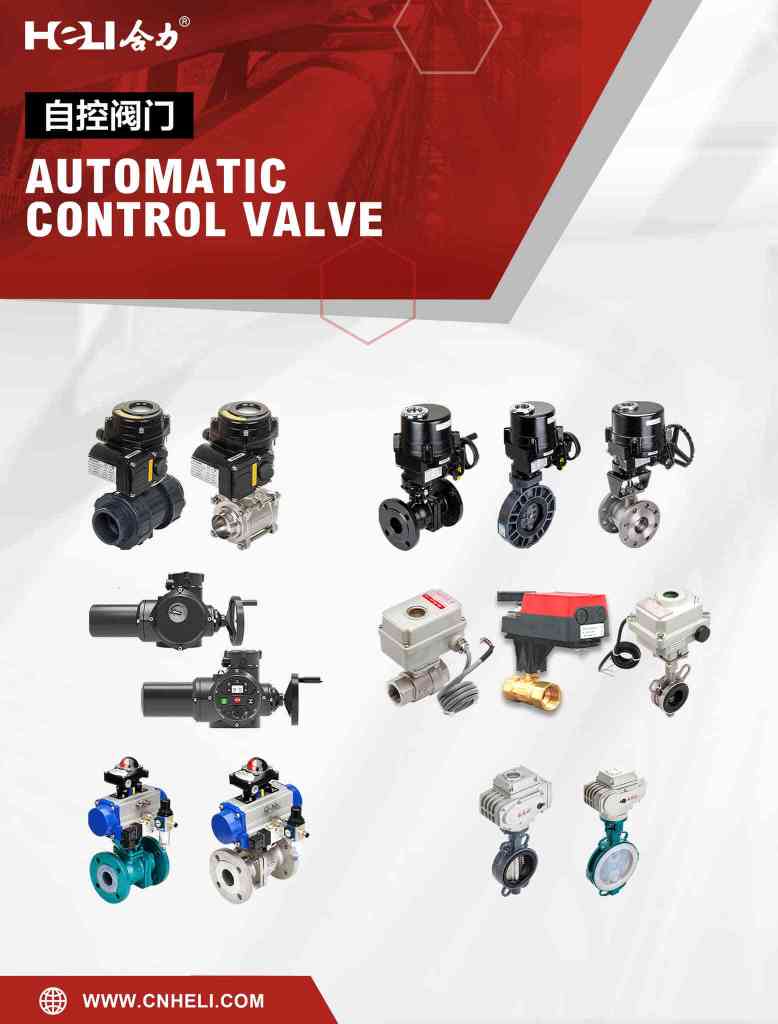
Electric valves are essential components in various industrial and building automation systems, playing a pivotal role in controlling the flow of fluids such as water, gas, and oil. As industries aim for greater efficiency and automation, electric valves have emerged as a vital solution, seamlessly integrating with sophisticated control systems. This article explores the intricacies of electric valves, their working principles, types, advantages, applications, and important considerations when selecting them.
Working Principle of Electric Valves
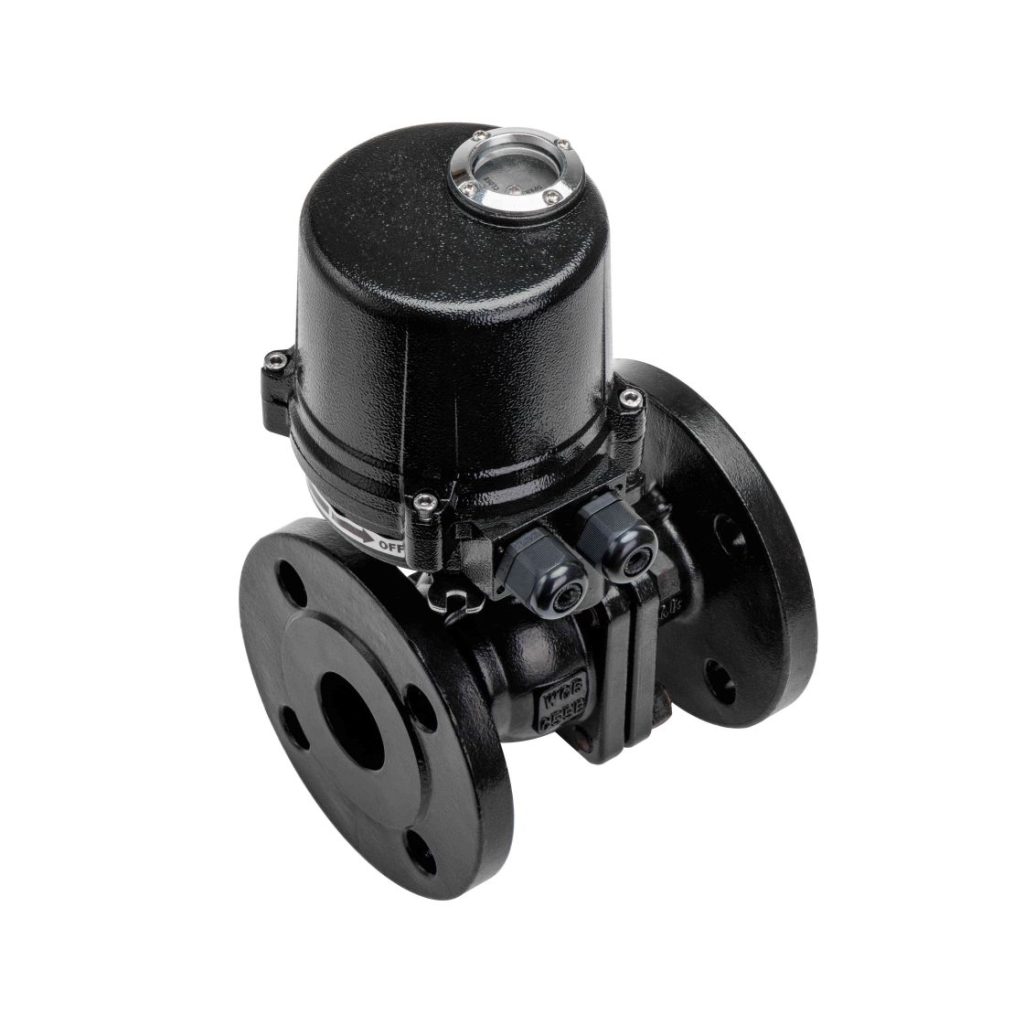
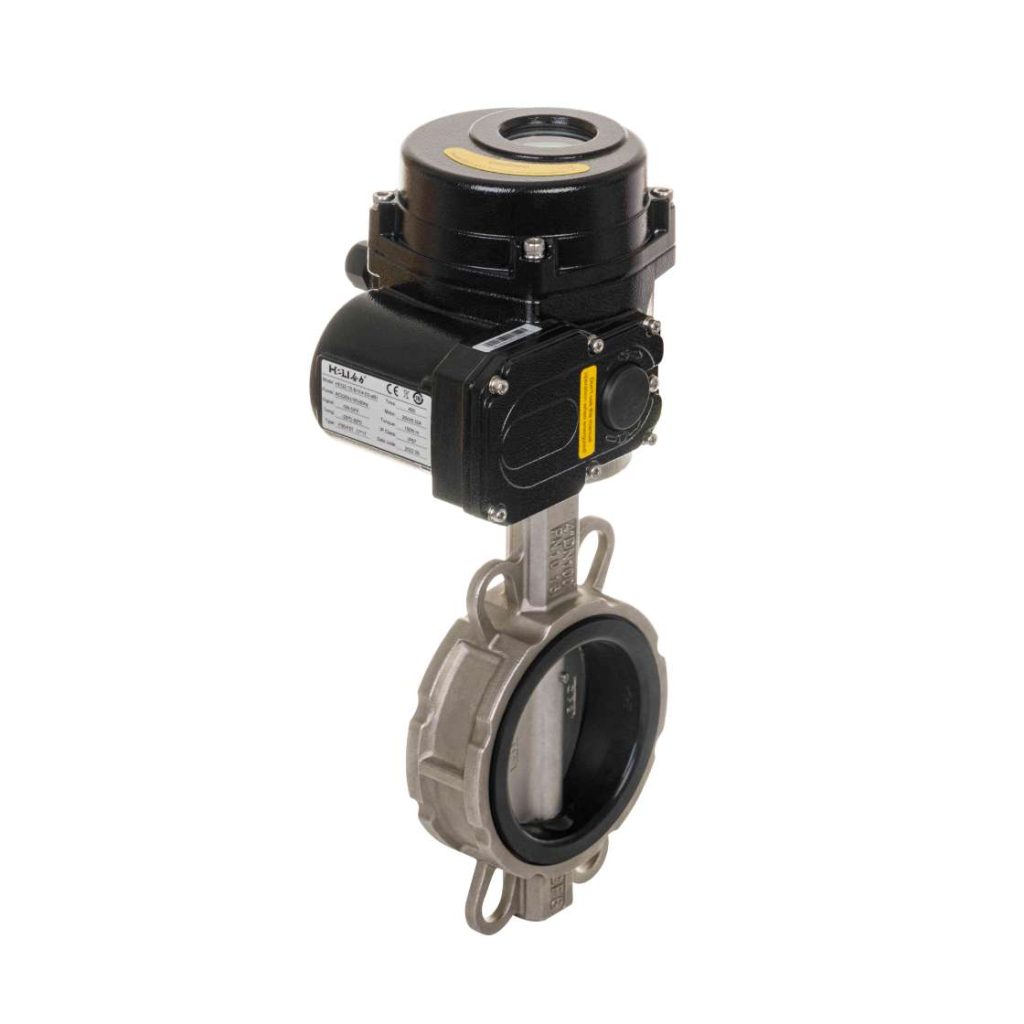
Electric valves consist of two main components: the valve body and the electric actuator. The valve body can be of various types, including ball valves, butterfly valves, gate valves, and check valves, each designed to manage the flow of a particular fluid. The electric actuator, on the other hand, is responsible for converting electrical energy into mechanical motion. When a control signal is received, the actuator will either rotate or linearly move to open or close the valve, thereby regulating the fluid flow. Types of Electric Valves Electric valves can be classified into several categories based on different criteria: