In the rapidly growing world of energy storage, lithium batteries have emerged as the core technology powering everything from consumer electronics to electric vehicles (EVs) and renewable energy systems. As these batteries continue to gain traction in various industries, ensuring their safety and efficiency has become more critical than ever. One key component that plays a pivotal role in the safety and performance of lithium batteries is the battery valve, and the companies that manufacture these valves under Original Design Manufacturing (ODM) agreements are becoming increasingly essential.
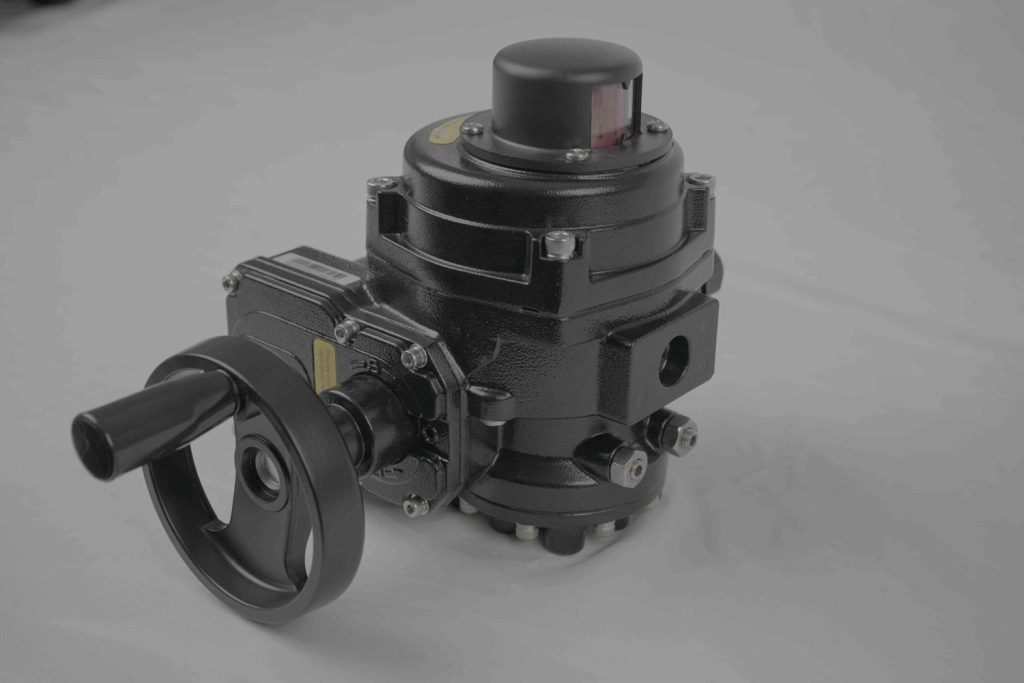
What is a Lithium Battery Valve? A lithium battery valve is a safety device designed to regulate the internal pressure of a battery pack. During the normal operation of a lithium-ion battery, chemical reactions take place that can generate heat and gases. If the internal pressure exceeds a certain threshold, it can result in the risk of thermal runaway, leakage, or even explosion. The valve serves as a safety mechanism by allowing excess pressure to vent safely and thereby preventing catastrophic failures. In a typical lithium battery, valves are installed on the battery’s cell casing or venting system to ensure that any dangerous buildup of gases is released in a controlled manner. Depending on the design and application of the battery, these valves can come in various forms, such as pressure relief valves, safety vents, and check valves. The proper functioning of these valves is essential not only for the longevity of the battery but also for protecting the user from hazardous situations.