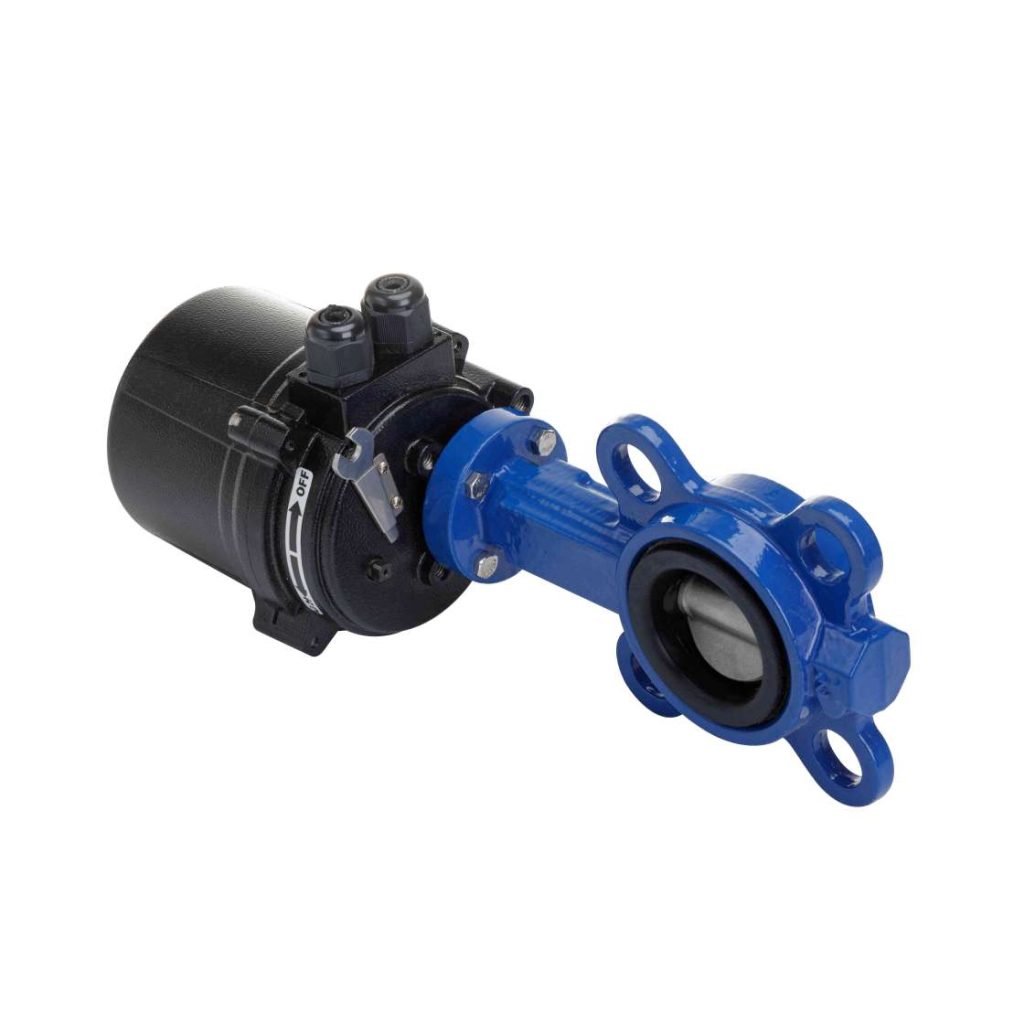
The WCB Electric Butterfly Valve is a critical component in modern agricultural irrigation systems, offering reliable and efficient flow control for various irrigation applications. As the world continues to embrace automation and smart farming technologies, the need for precise water management has never been more important. In this article, we will explore the features, applications, and advantages of the WCB Electric Butterfly Valve in agricultural irrigation systems.
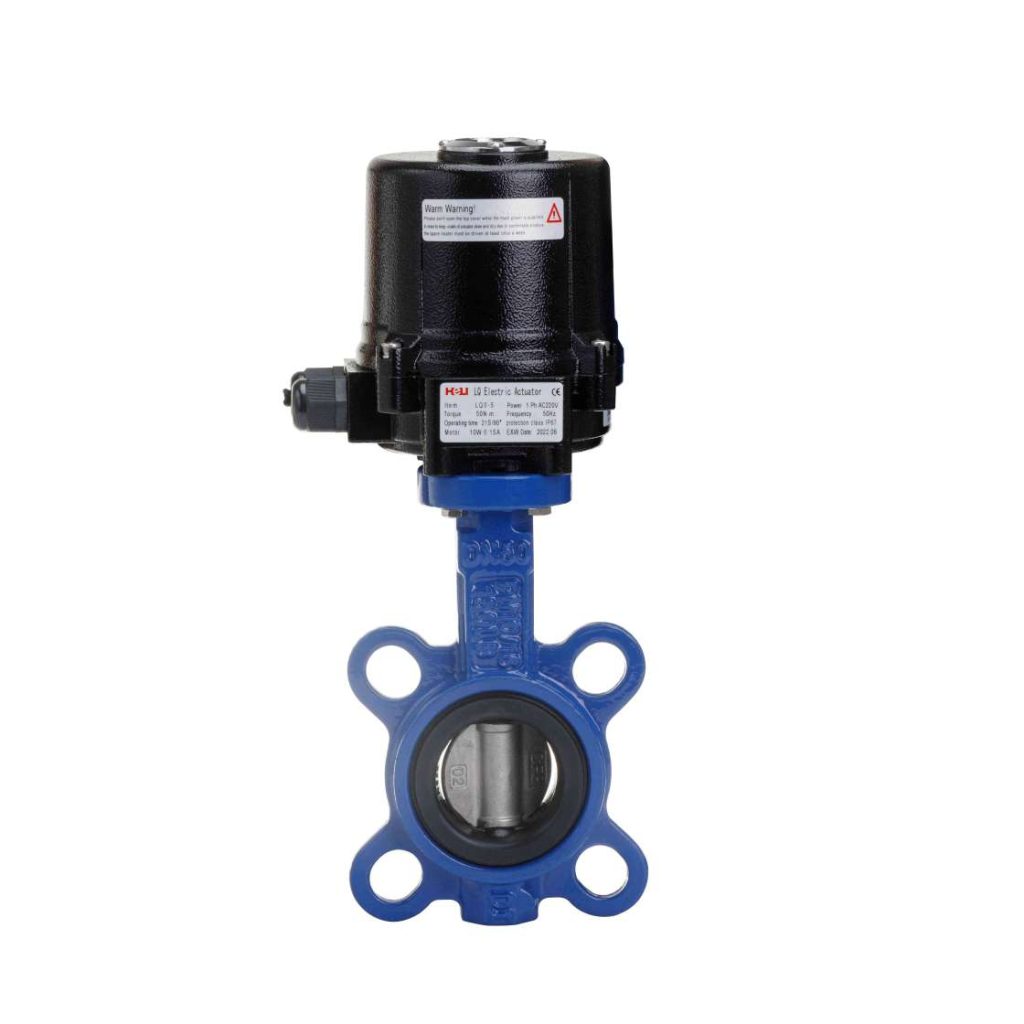
Understanding the WCB Electric Butterfly Valve
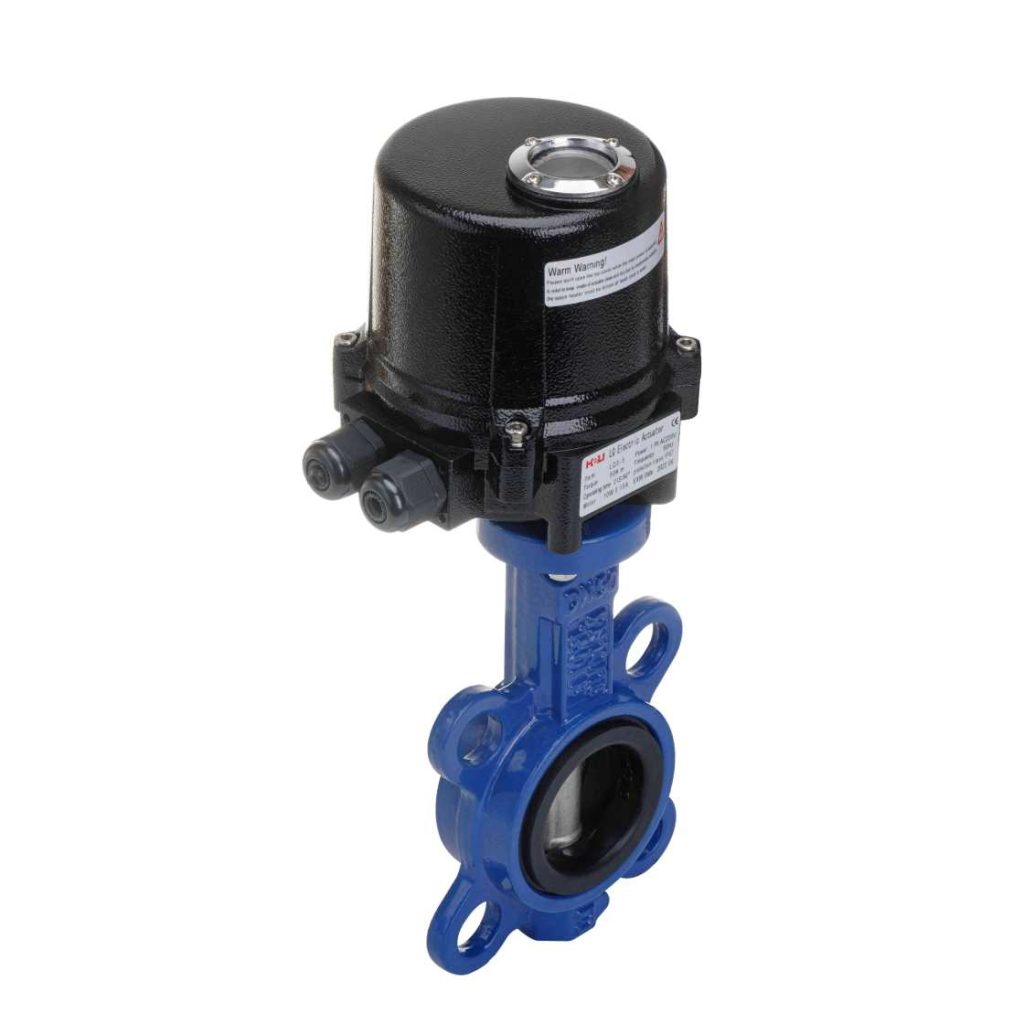
A butterfly valve, commonly known for its disk-shaped closure element, operates by rotating the disk a quarter turn to regulate the flow of fluid. When combined with an electric actuator, the WCB Electric Butterfly Valve can be automatically controlled, offering a hands-off solution for managing irrigation systems. The WCB designation refers to the valve’s construction material — WCB cast steel — which is known for its durability and resistance to corrosion. The electric actuator integrated with the valve enables remote operation, allowing farmers to control the valve without physical intervention. This automation is vital in large-scale agricultural settings, where manual control would be inefficient and time-consuming.