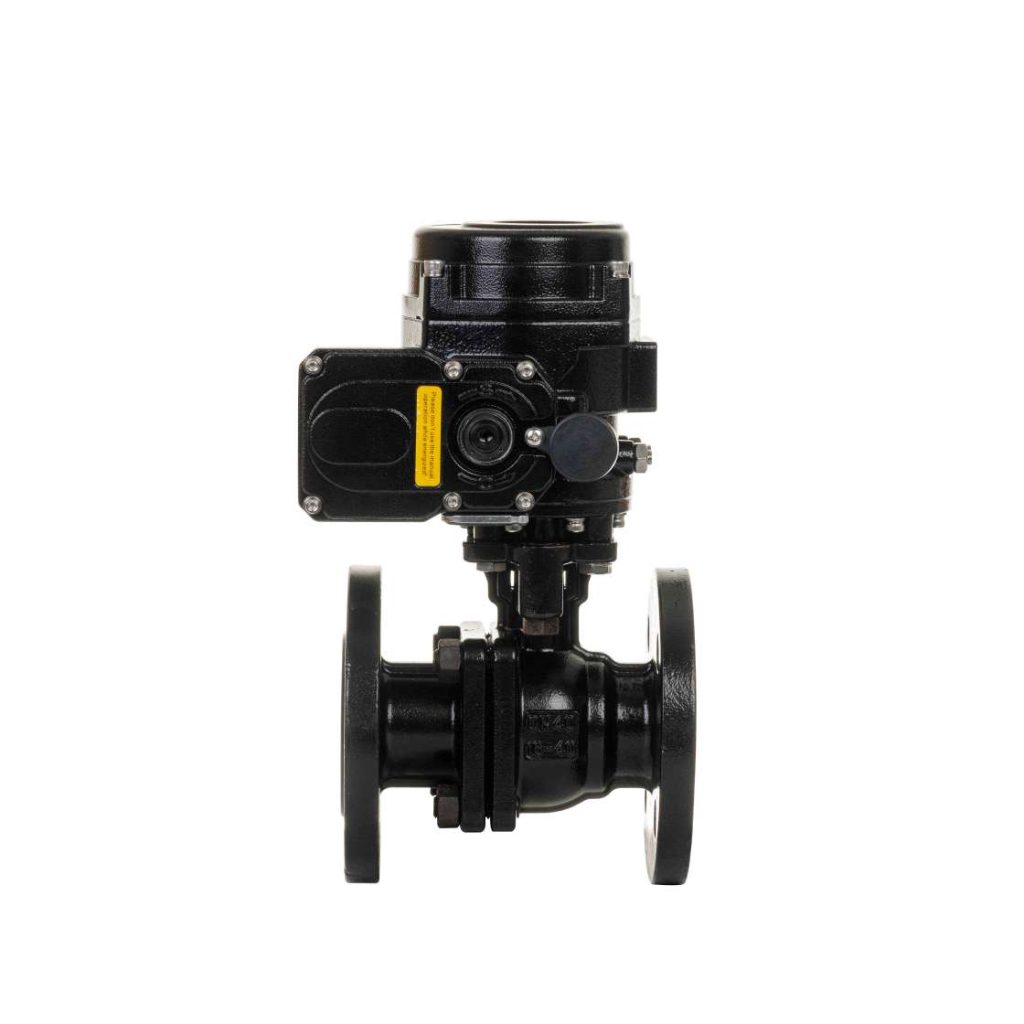
The Explosion-proof Electric Flange Ball Valve is a crucial component in various industrial applications, particularly where safety and efficient control of fluid flow are paramount. This valve combines the robust design of a ball valve with an electric actuator that is specially engineered to meet explosion-proof standards. Widely used in hazardous environments, such as chemical plants, oil refineries, and gas facilities, it offers not only control but also peace of mind, ensuring that operations remain secure even under dangerous conditions. This article explores the features, advantages, applications, and selection criteria of the Explosion-proof Electric Flange Ball Valve.
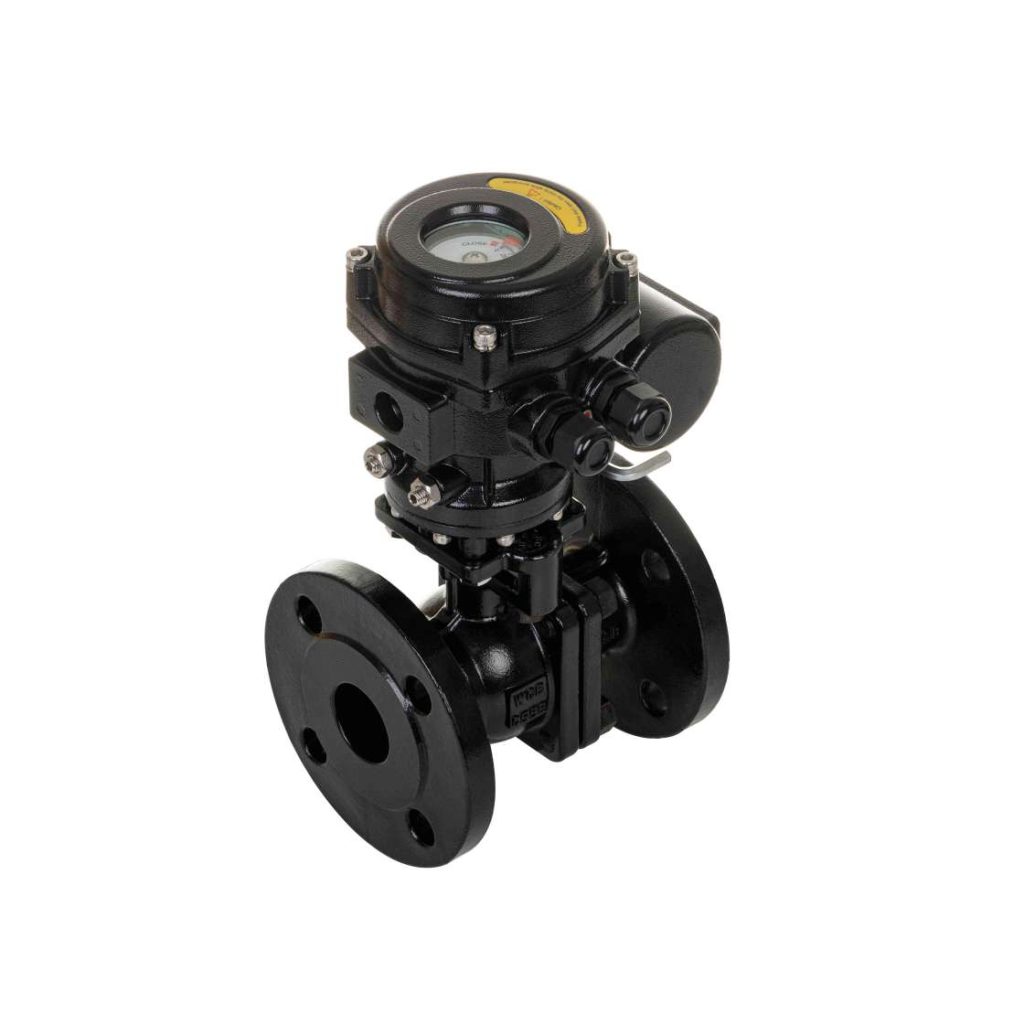
What is an Explosion-proof Electric Flange Ball Valve?
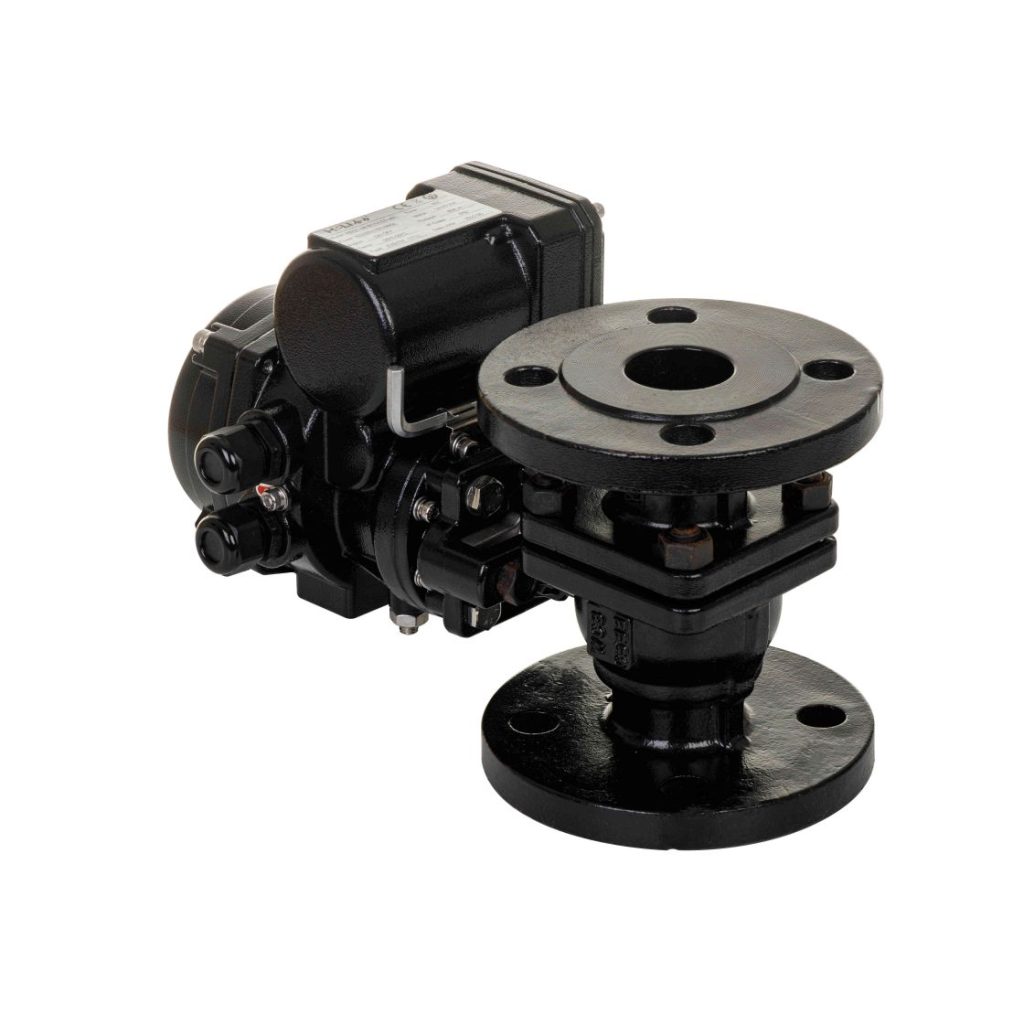
The Explosion-proof Electric Flange Ball Valve is a type of valve designed for use in potentially explosive environments. The primary function of the valve is to regulate the flow of liquids and gases within pipelines. The term “explosion-proof” refers to the valve’s construction, which prevents it from causing sparks or ignition in hazardous areas, complying with international safety standards such as IECEx, ATEX, and others. This valve consists of three main components: Ball Valve Body: The ball valve itself, which uses a spherical ball to control the flow of fluid. The ball has a hole in the middle that aligns with the pipeline when open and blocks the flow when rotated 90 degrees.