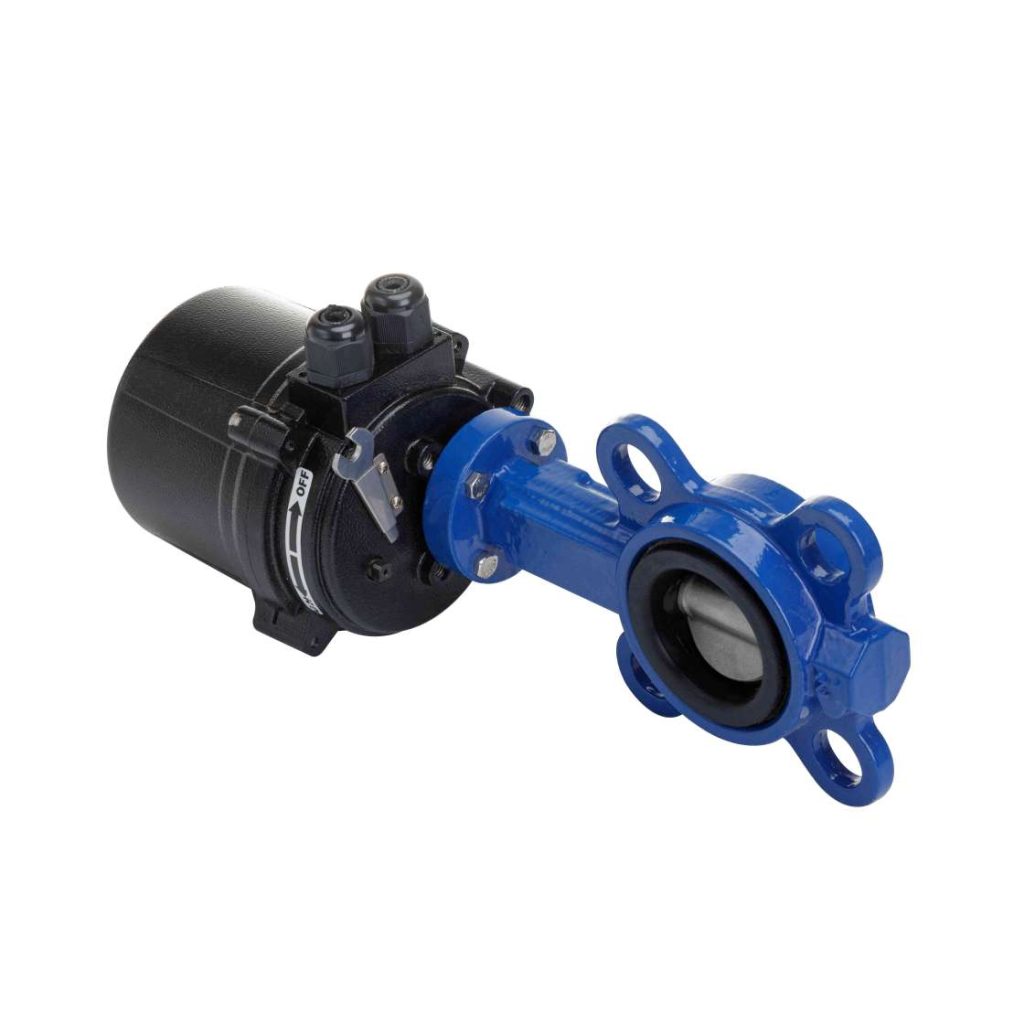
In the realm of agricultural irrigation, the efficient management of water resources is pivotal to maximizing crop yields and minimizing waste. The introduction of advanced technologies has greatly enhanced the effectiveness of irrigation systems, and among these innovations, the electric butterfly valve stands out as a game-changer. This article delves into the significance of electric butterfly valves for agricultural irrigation, exploring their benefits, applications, and the role of manufacturers in providing cutting-edge solutions to the agricultural sector.
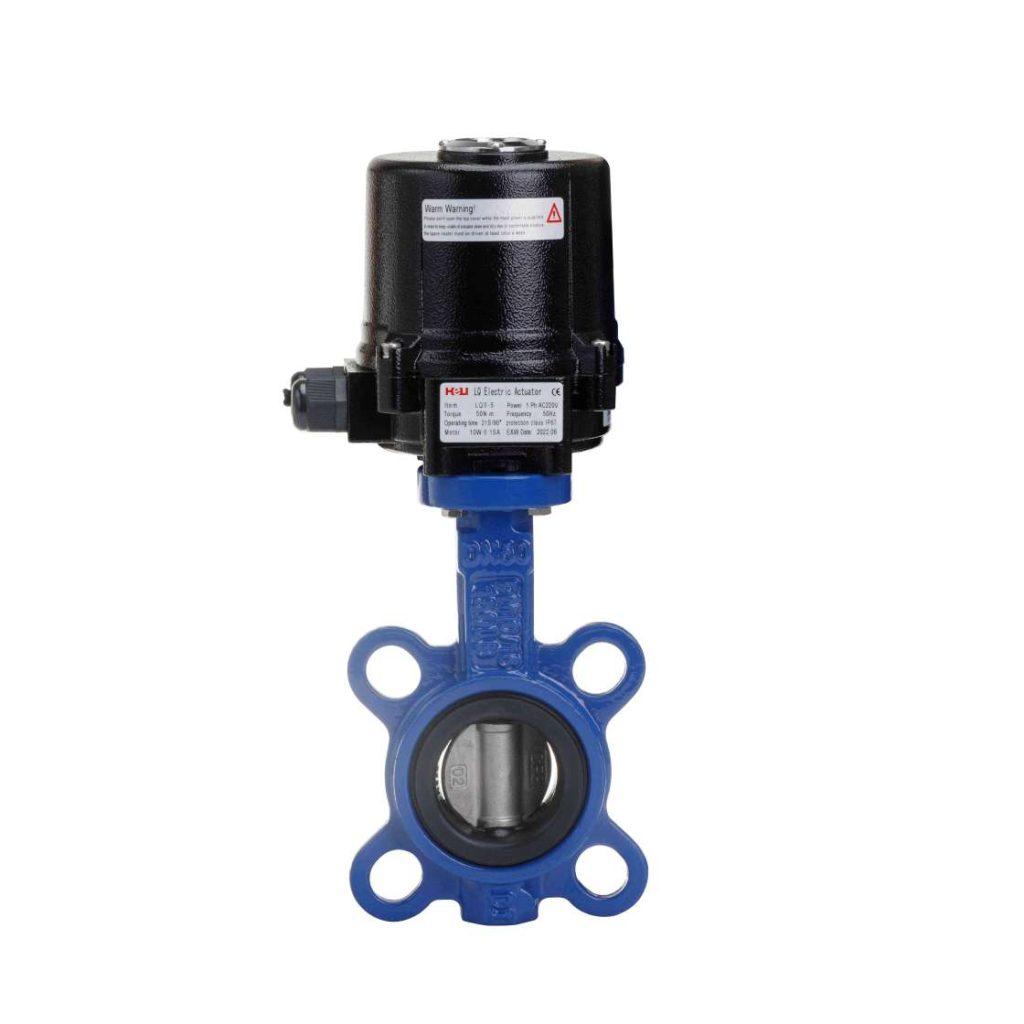
Understanding Electric Butterfly Valves
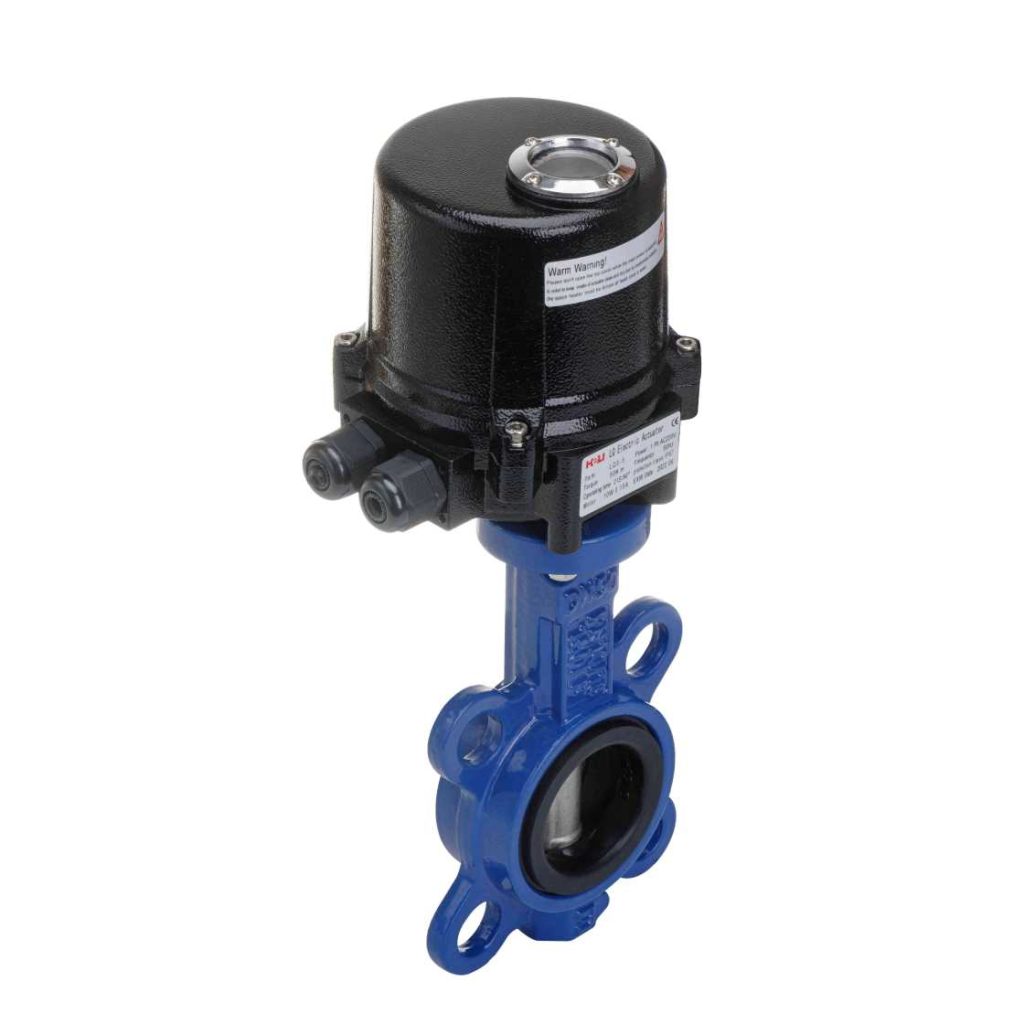
Electric butterfly valves are mechanical devices used to control the flow of water in pipelines. They operate using an electric actuator that adjusts the position of a circular disc (the “butterfly”) within the valve body. This disc rotates to either fully open or close the valve, or to regulate the flow of water to precise levels. The electric actuator is powered by an electric motor, allowing for automated and precise control over the irrigation process. Advantages of Electric Butterfly Valves in Agriculture Precision and Automation: One of the most significant advantages of electric butterfly valves is their ability to provide precise control over water flow. Automated operation eliminates the need for manual intervention, ensuring consistent water delivery. This is especially beneficial in modern precision agriculture, where even distribution and controlled application of water are crucial for optimal crop growth.