In the ever-evolving world of technology, lithium-ion batteries have emerged as a cornerstone for powering a diverse range of devices, from smartphones and laptops to electric vehicles and renewable energy storage systems. However, with the rise in lithium-ion battery utilization, concerns about safety and reliability have also increased. One critical component that plays a significant role in ensuring the safe operation of these batteries is the Stainless Steel Lithium Battery Valve. This article delves into the design, function, and importance of this essential safety feature in lithium-ion batteries.
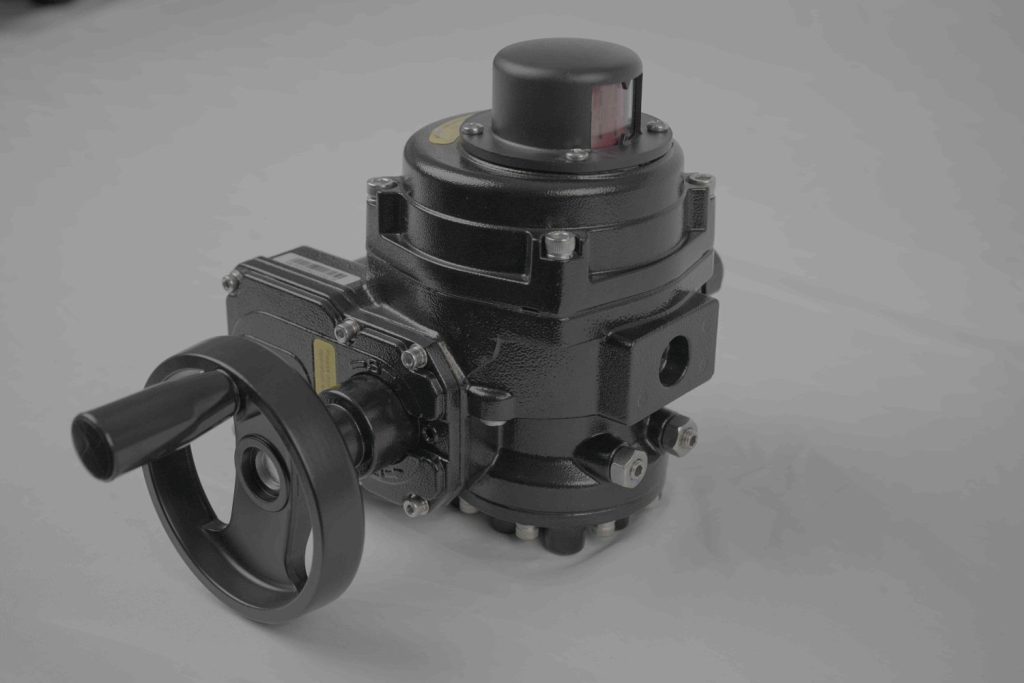
What is a Stainless Steel Lithium Battery Valve? A Stainless Steel Lithium Battery Valve is a pressure relief valve designed to manage the internal pressure of lithium-ion batteries. These valves are constructed from high-quality stainless steel, offering exceptional corrosion resistance and mechanical strength. Their primary purpose is to safely release built-up gas or pressure within the battery, preventing hazardous situations such as explosions or leaks that could endanger users and surrounding environments. Functionality and Design The design of the stainless steel valve is crucial for its effectiveness. Typically, these valves are engineered to operate at specific pressure thresholds. When the internal pressure of a battery exceeds a predefined limit—often due to overcharging, thermal runaway, or internal short circuits—the valve opens, allowing gases to escape. This action helps to mitigate the risks associated with excessive pressure, maintaining the structural integrity of the battery casing.