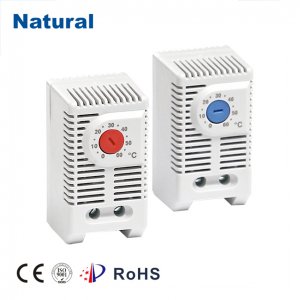
A differential thermostat is a temperature control device used in various heating and cooling systems, where maintaining a certain temperature difference is crucial for optimal performance. By monitoring the temperature difference between two points, the differential thermostat can activate or deactivate systems like pumps, fans, or valves to ensure that the desired temperature conditions are met. This article explores the working principle, key features, applications, and advantages of differential thermostats, highlighting their importance in modern energy-efficient systems.
Working Principle
The core concept of a differential thermostat is simple: it compares the temperatures of two different locations and responds to the difference between them. Typically, one sensor measures the temperature of a heat source, such as a solar collector or heating element, and the other measures the temperature of a heat sink, like a water tank or room space. The thermostat is programmed with a set temperature difference (or differential) that, when reached, triggers a control action, such as turning on a pump or switching a heating device on or off. For instance, in a solar water heating system, the thermostat might monitor the temperature of the solar collector and the storage tank. If the collector is warmer than the tank by a certain degree, the thermostat activates a pump to circulate hot water from the collector to the tank. When the temperature differential drops, the pump is turned off, preventing unnecessary energy consumption.