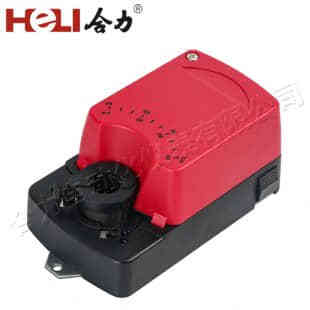
In modern HVAC (Heating, Ventilation, and Air Conditioning) systems, maintaining optimal airflow is vital for both comfort and energy efficiency. One device playing a crucial role in this process is the damper actuator. A damper actuator is a device that regulates the position of a damper, thereby controlling the flow of air, gases, or fluids within a ducting system. Understanding how damper actuators work, their applications, and benefits can greatly enhance the design and functionality of HVAC systems.
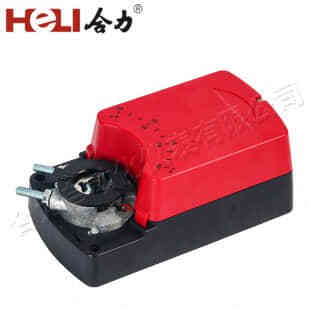
What is a Damper Actuator?
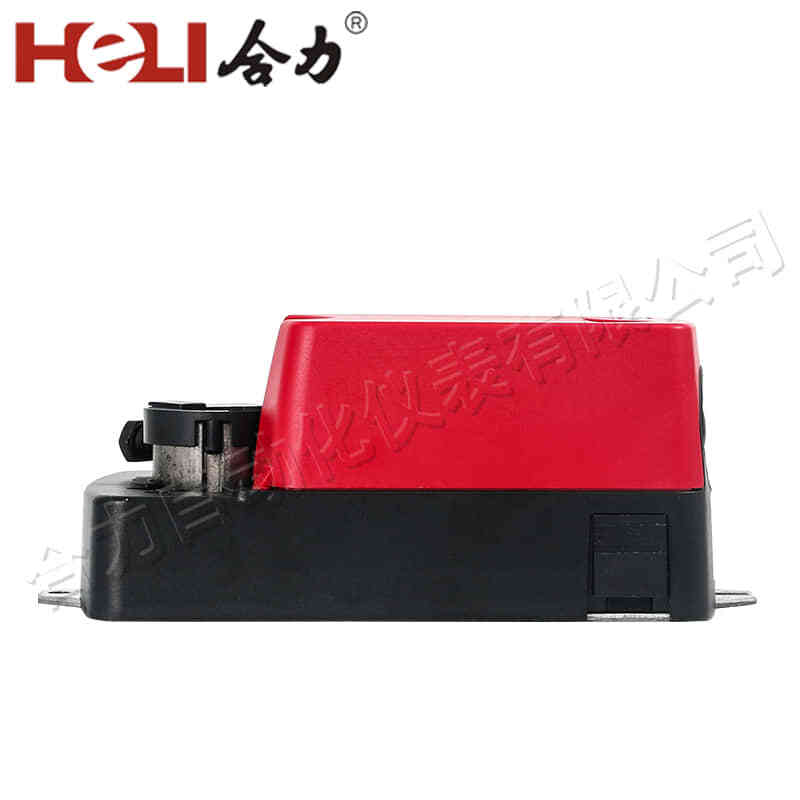
At its core, a damper actuator is an electromechanical device that opens and closes dampers. Dampers are components that can either partially or fully obstruct airflow within a duct. By adjusting the damper’s position, the actuator effectively manages how much air can pass through. The operation of these actuators can be powered by electric, pneumatic, or hydraulic means. Types of Damper Actuators Electric Actuators: These are the most common types of damper actuators, especially in residential and commercial HVAC systems. They use an electric motor to manipulate the damper’s position, providing precise control over airflow. Electric actuators typically offer a range of features such as high torque output and remote control capabilities, making them suitable for a variety of applications.