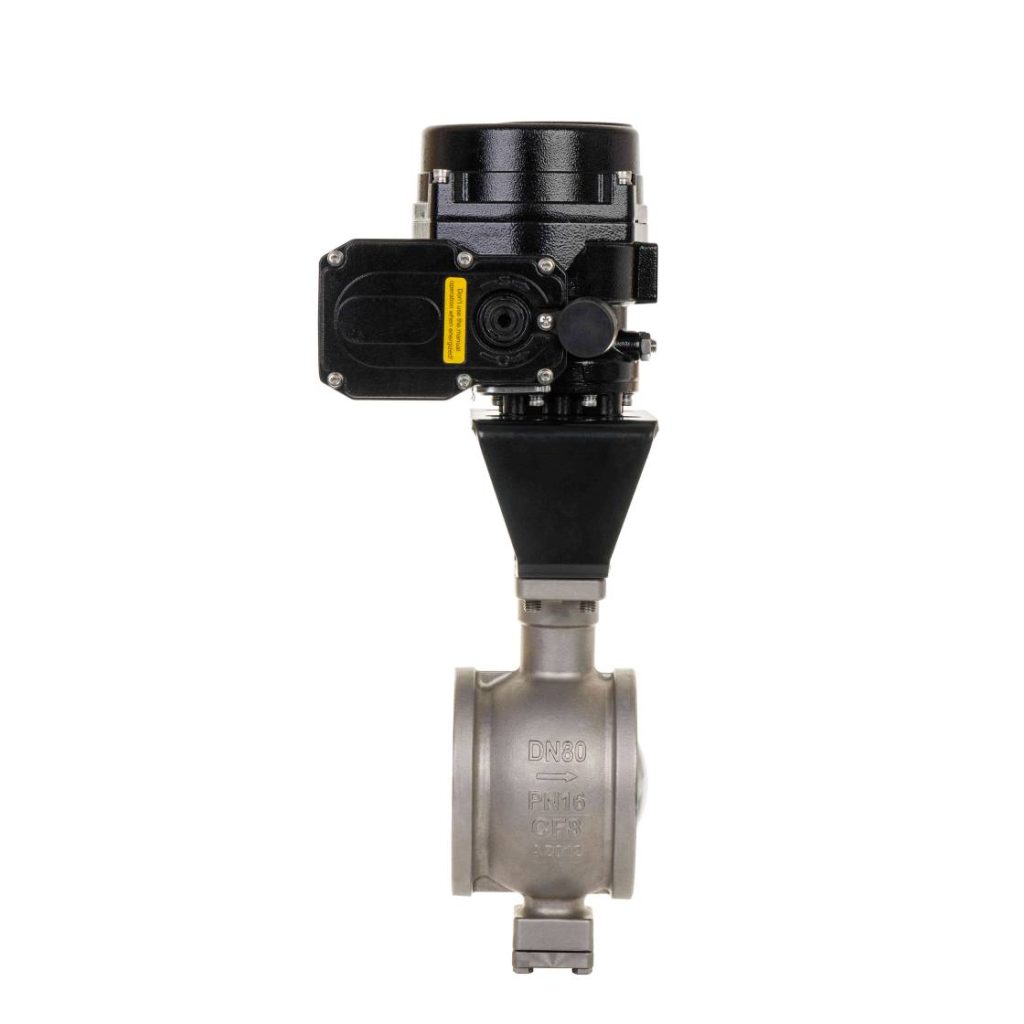
Electric V-ball valves are essential components in a wide variety of industrial applications, providing efficient and precise flow control in piping systems. These valves feature a unique V-shaped ball design, which allows for more accurate flow regulation compared to traditional ball valves. Powered by an electric actuator, Electric V-ball valves offer automation, making them highly suitable for modern industrial environments where automation and precision are crucial. In this article, we will explore the role of Electric V-ball valve manufacturers, the key features of these valves, and why selecting a reliable manufacturer is vital for optimal system performance.
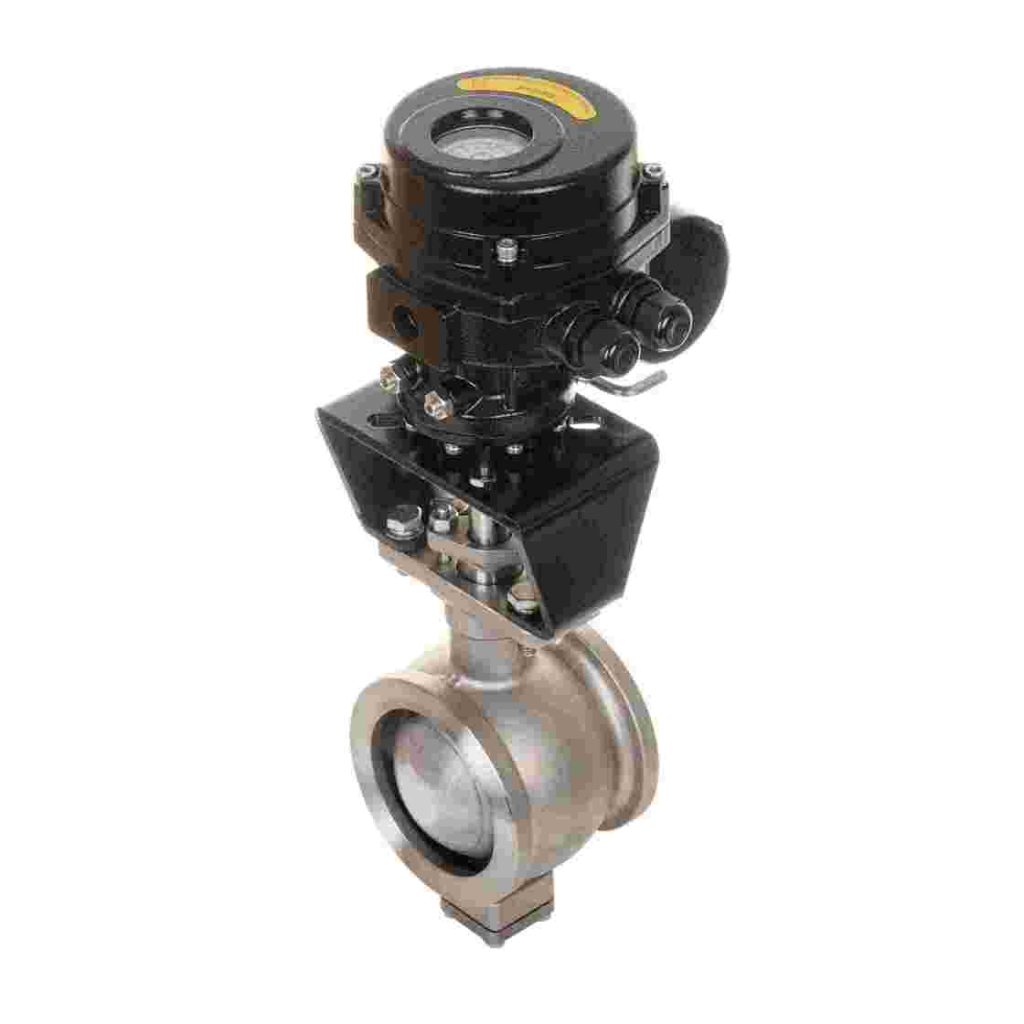
What is an Electric V-ball Valve?
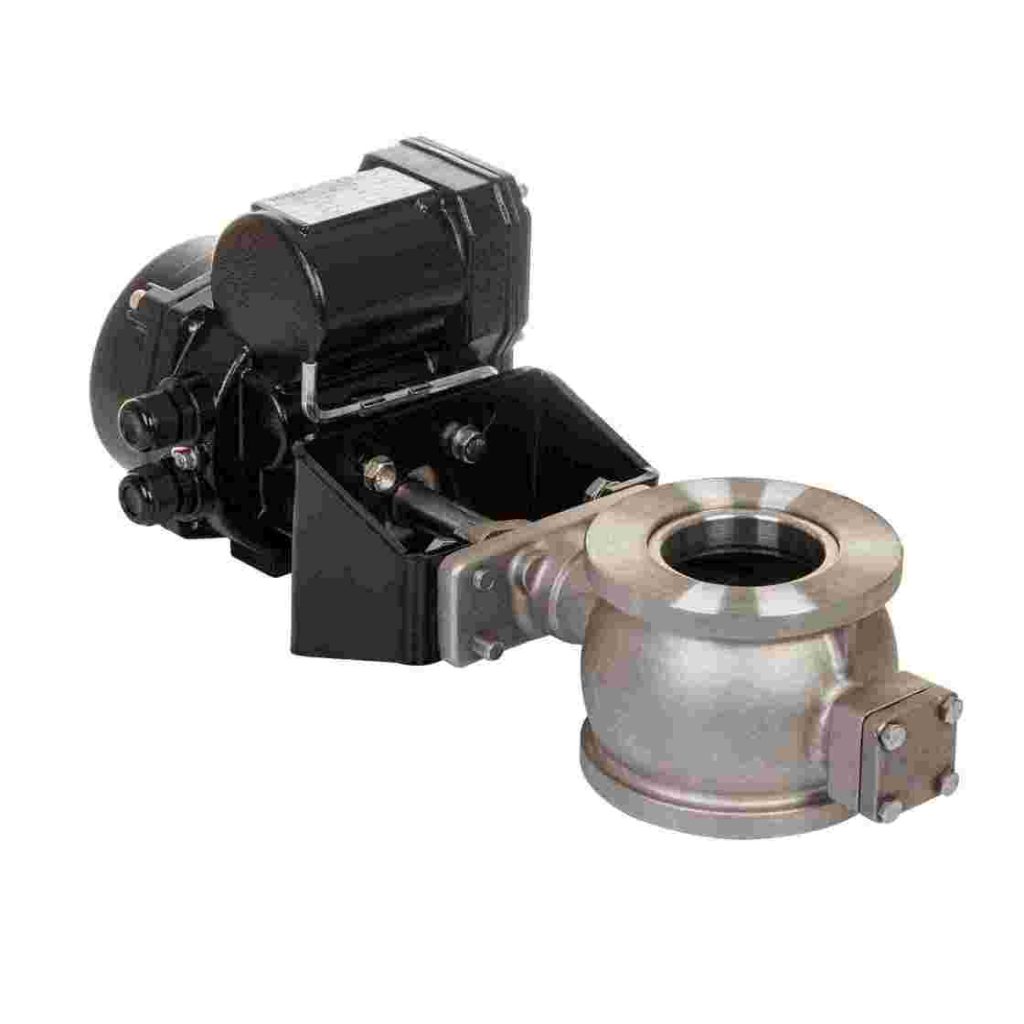
An Electric V-ball valve combines two key features: the V-shaped ball design and electric actuation. The V-shaped ball provides better control over the flow rate by creating a sharp cut-off effect when partially opened, ensuring precise regulation of the fluid passing through the valve. This makes Electric V-ball valves ideal for throttling services, where maintaining a constant flow rate is critical. The electric actuator that operates the valve can be controlled remotely or integrated into a larger control system. This automation not only increases the efficiency of industrial processes but also reduces the risk of human error, making it a preferred choice in industries that rely on real-time flow adjustments.