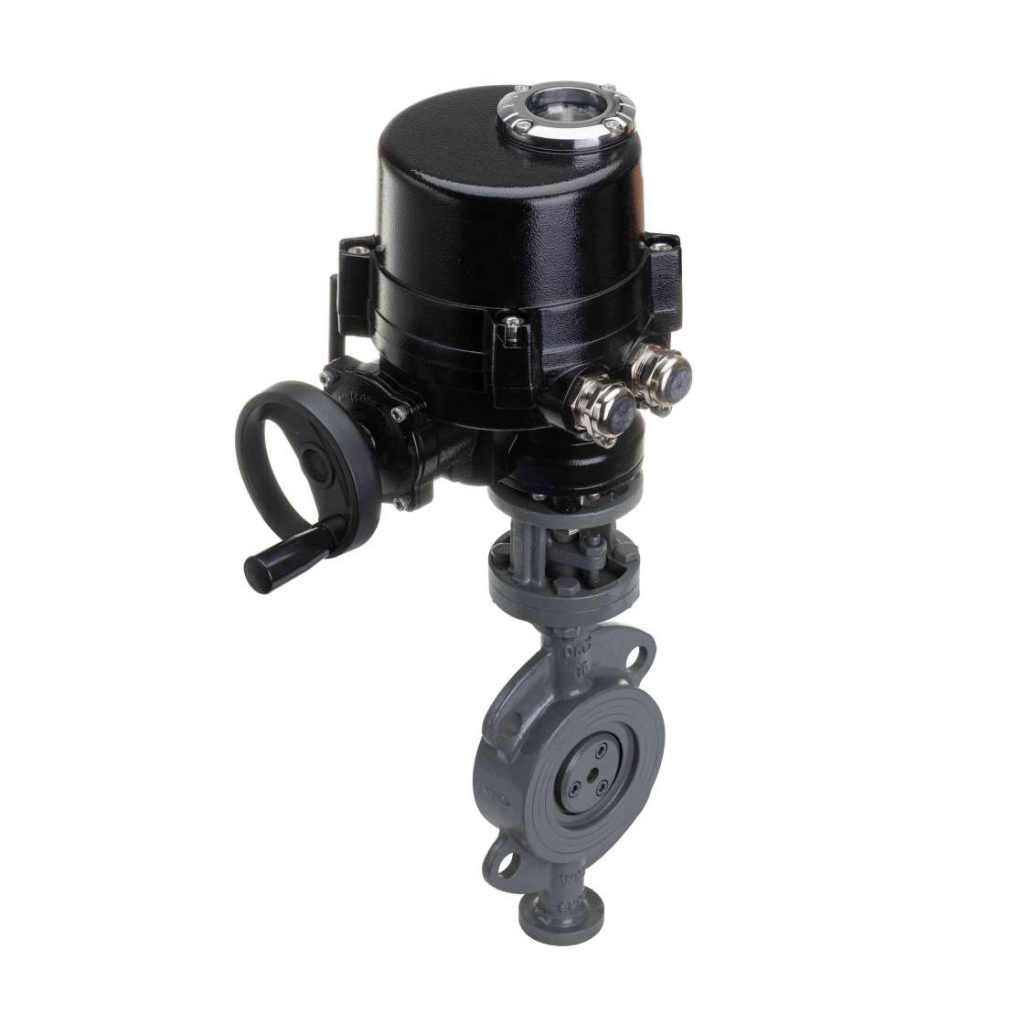
In the realm of marine engineering and ship operations, efficient fluid control is critical to ensure safety, performance, and environmental compliance. Among the various types of valves used in marine applications, themarine electric butterfly valvestands out due to its design, functionality, and operational advantages. This article explores the significance, working mechanism, benefits, and applications of marine electric butterfly valves in modern maritime operations.
Understanding Marine Electric Butterfly Valves
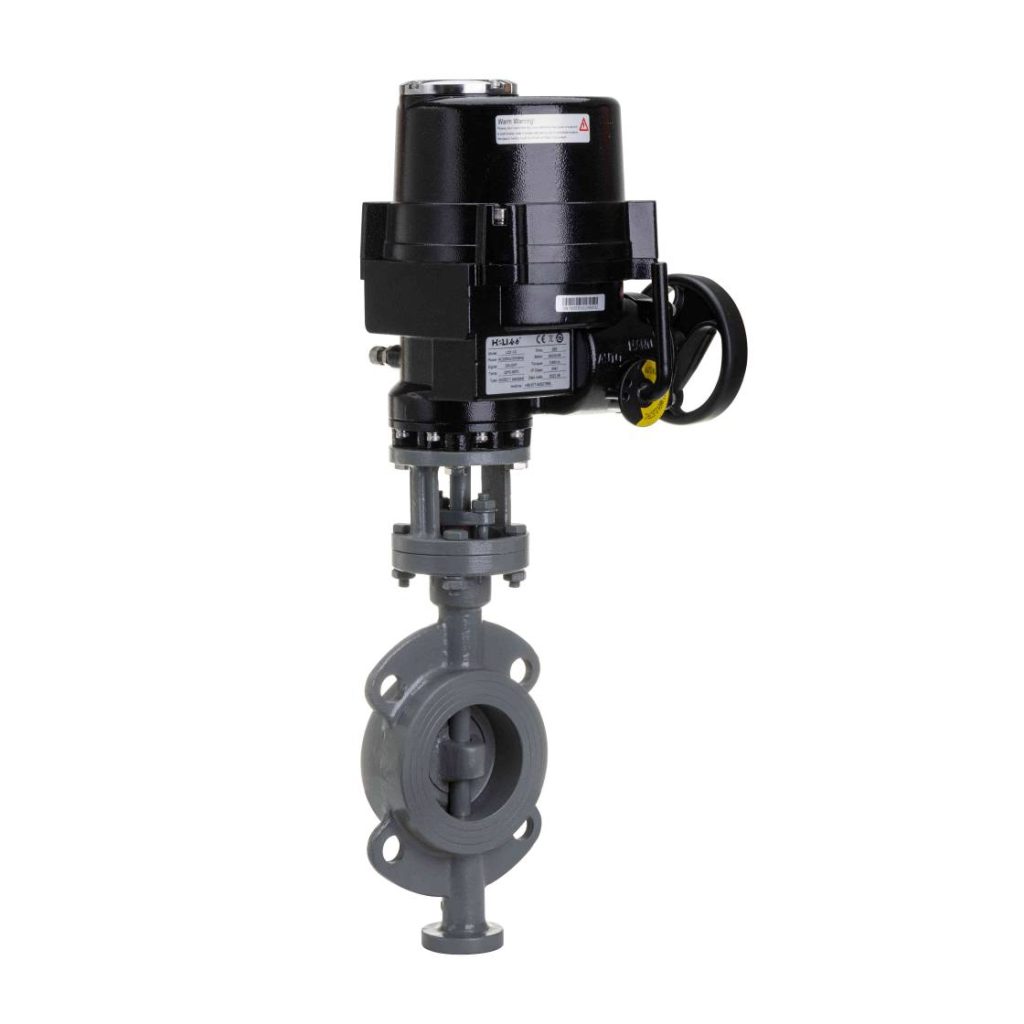
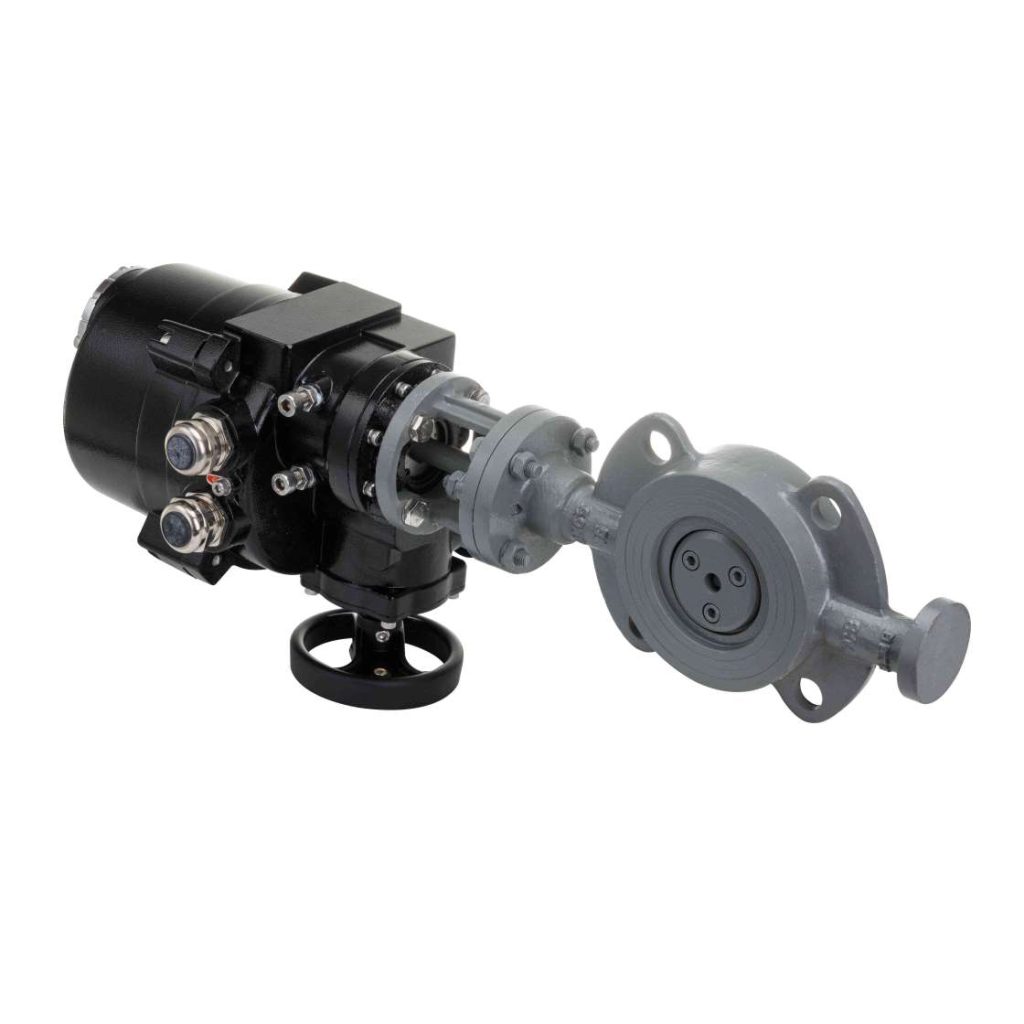
A marine electric butterfly valve is a quarter-turn valve that utilizes a rotating disc to regulate the flow of liquids or gases in a pipeline. The valve is operated by an electric actuator, which allows for precise control and automation in various marine applications. Unlike traditional valves that require manual operation, electric butterfly valves can be controlled remotely, enhancing operational efficiency and safety. Working Mechanism The core components of a marine electric butterfly valve include the valve body, disc, shaft, and electric actuator. When the actuator receives a signal, it rotates the disc within the valve body. The angle of the disc determines the flow rate; when the disc is parallel to the pipeline, the valve is fully open, allowing maximum flow. Conversely, when the disc is perpendicular to the flow direction, the valve is closed, stopping the flow completely.