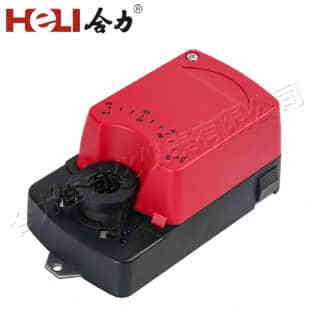
Damper actuators play a crucial role in modern HVAC (Heating, Ventilation, and Air Conditioning) systems, as well as in various industrial applications. These devices control the flow of air within ducts, ensuring optimal energy efficiency and maintaining desired indoor climates. This article delves into the functionality, types, applications, and advantages of damper actuators, providing a comprehensive understanding of their significance in contemporary systems.
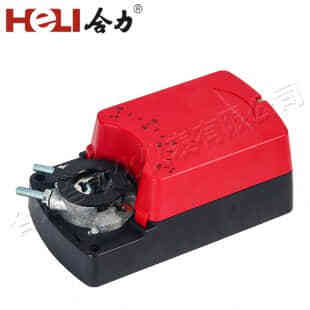
Functionality of Damper Actuators
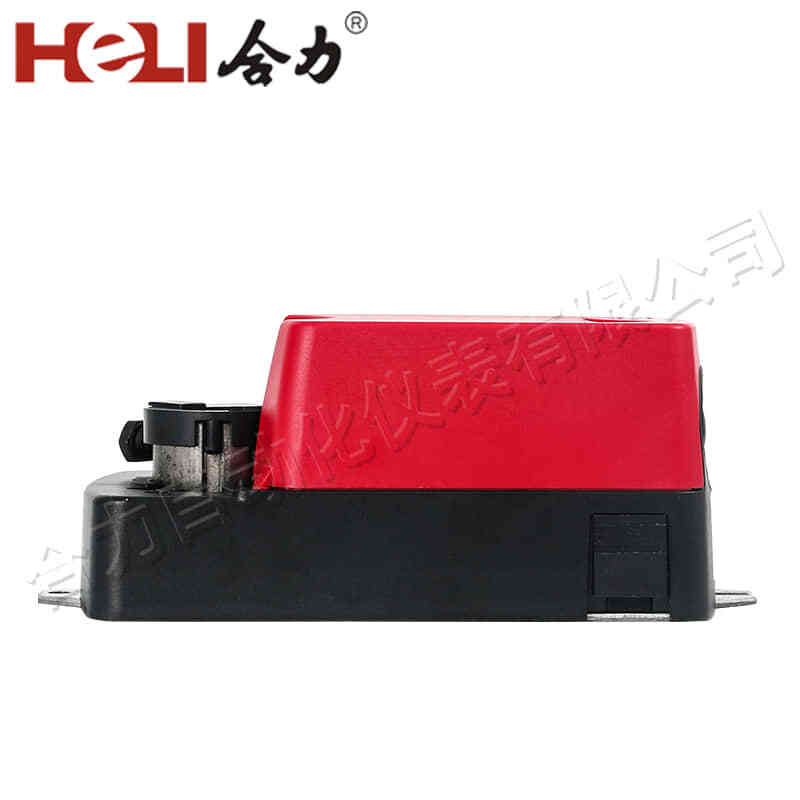
At its core, a damper actuator is a mechanical device that adjusts the position of dampers in air handling systems. Dampers are movable plates or valves located in the ductwork, which regulate airflow by opening or closing. The actuator is responsible for converting a control signal (usually from a thermostat or Building Management System) into mechanical motion, allowing for precise control over the damper’s position. There are two primary types of damper actuators: electric and pneumatic. Electric actuators use electrical energy to power the movement of the damper, while pneumatic actuators utilize compressed air. Each type has its own set of advantages and is chosen based on the specific requirements of the system.