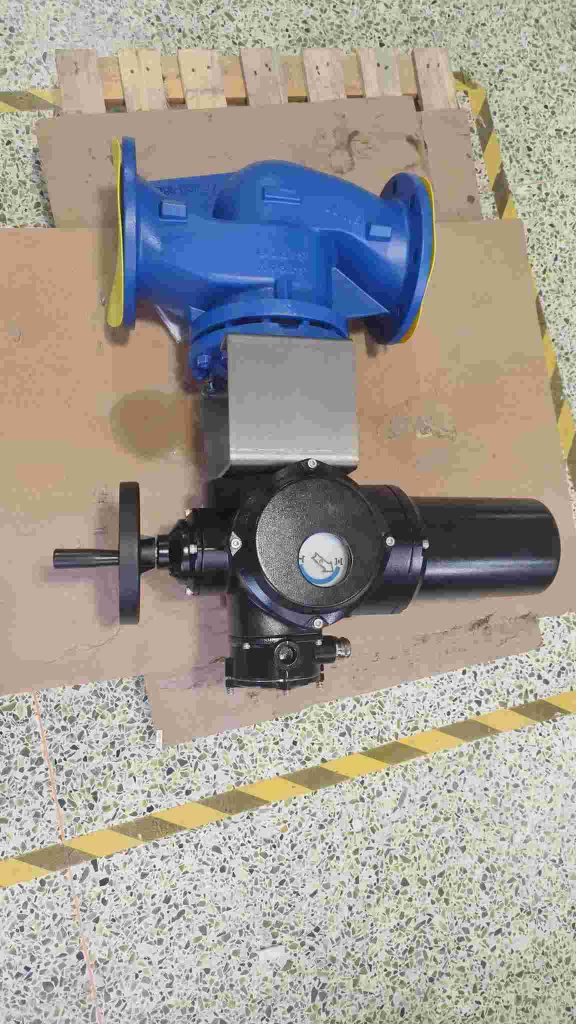
The Electric Bellows Stop Valve is an innovative and precision-engineered device designed for controlling the flow of liquids and gases in a variety of applications. Through the integration of electric drive systems and a unique bellows mechanism, this valve provides a reliable and efficient means of regulating fluid flow, making it an essential component in modern industrial systems. In this article, we will explore the workings, advantages, applications, and challenges associated with the Electric Bellows Stop Valve.
Structure and Working Principle
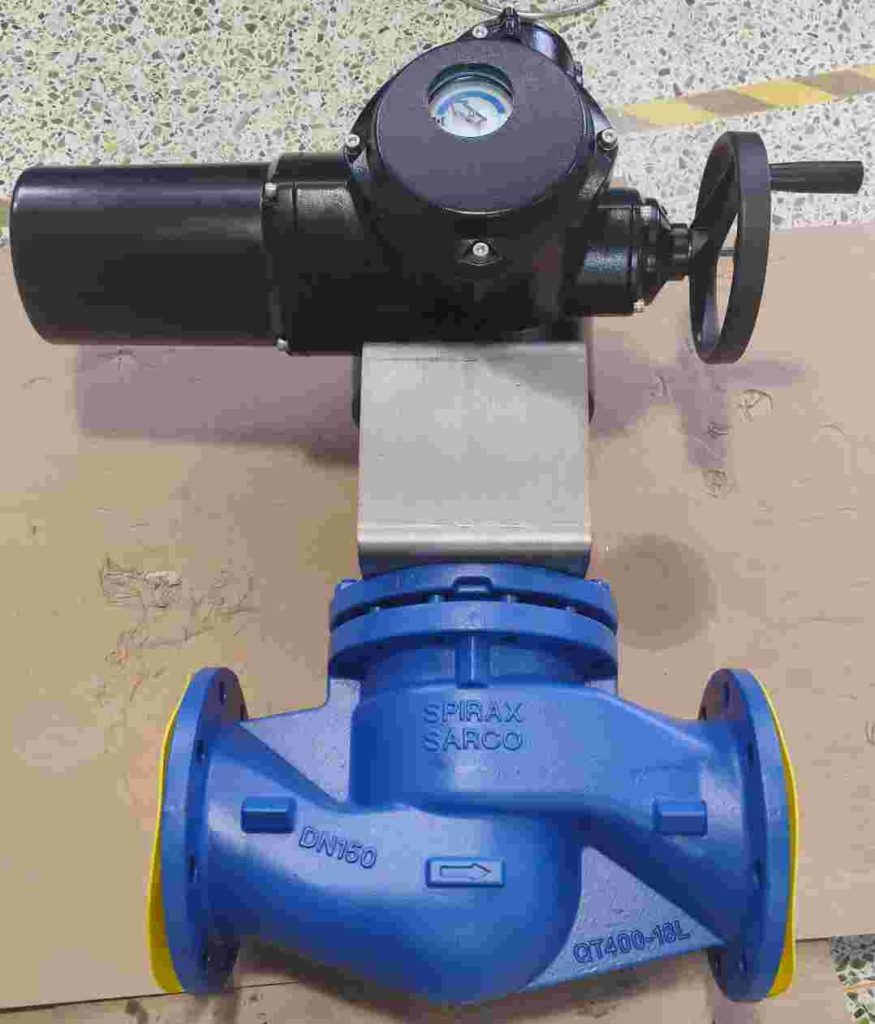
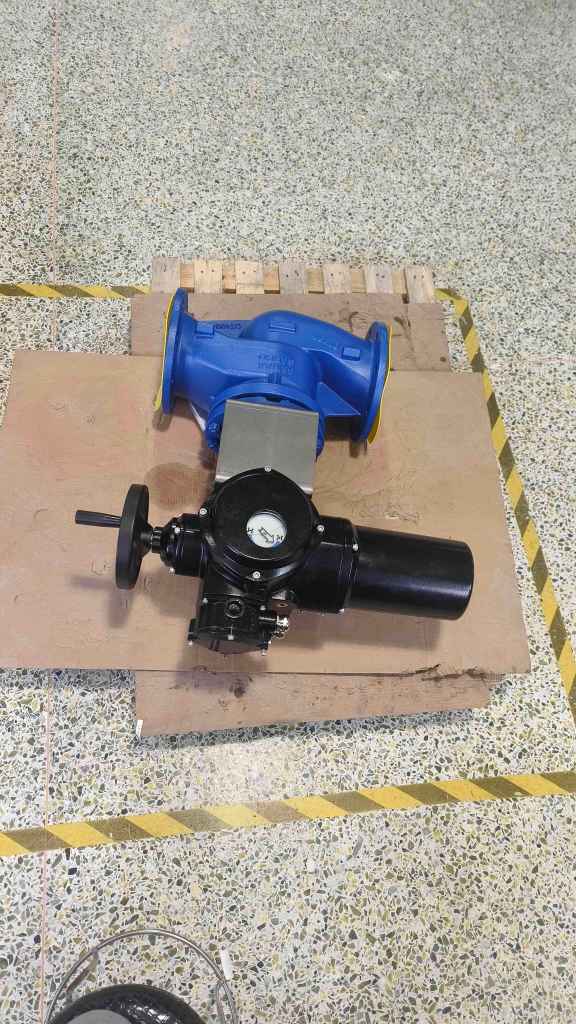
The Electric Bellows Stop Valve consists of two primary components: the bellows mechanism and the electric actuator. The bellows, typically made of flexible materials, act as a barrier that expands and contracts based on the pressure applied. This design allows for a high level of sealing effectiveness, which is crucial in preventing leaks and ensuring system efficiency. The electric actuator, which can control the position of the valve, receives input from a control system or operator commands. When activated, the actuator rotates or moves in such a way that it either opens or closes the valve, adjusting the flow of the medium through the pipeline. The electric nature of the actuator enables fine control over the valve’s position, allowing for accurate flow regulation according to the system’s needs.