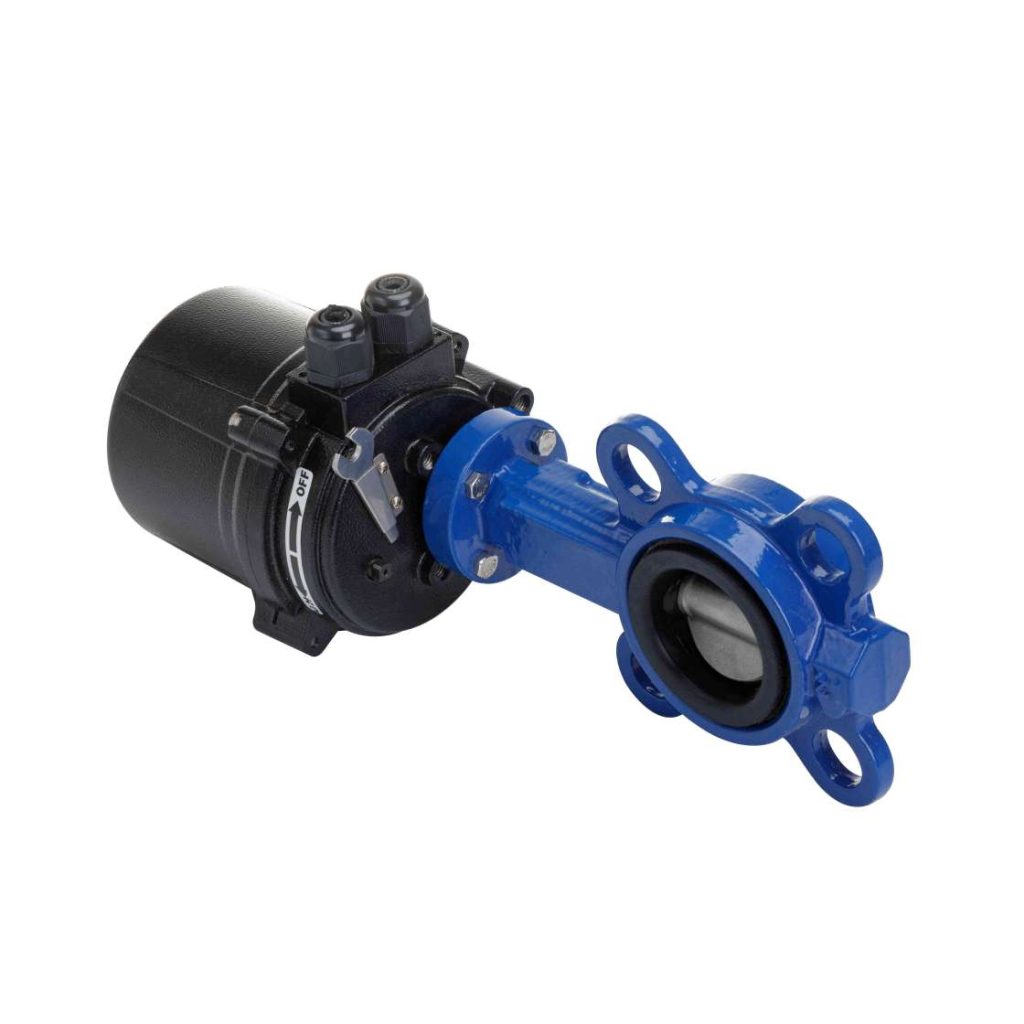
The electric butterfly valve, an essential component in modern fluid control systems, stands out due to its combination of efficiency, simplicity, and versatility. This valve type utilizes a rotating disk to regulate the flow of fluids through pipes, making it an attractive option for various industrial applications. In this article, we will explore the electric butterfly valve’s design, working principle, advantages, and common uses, as well as considerations for selection and maintenance.
Design and Structure
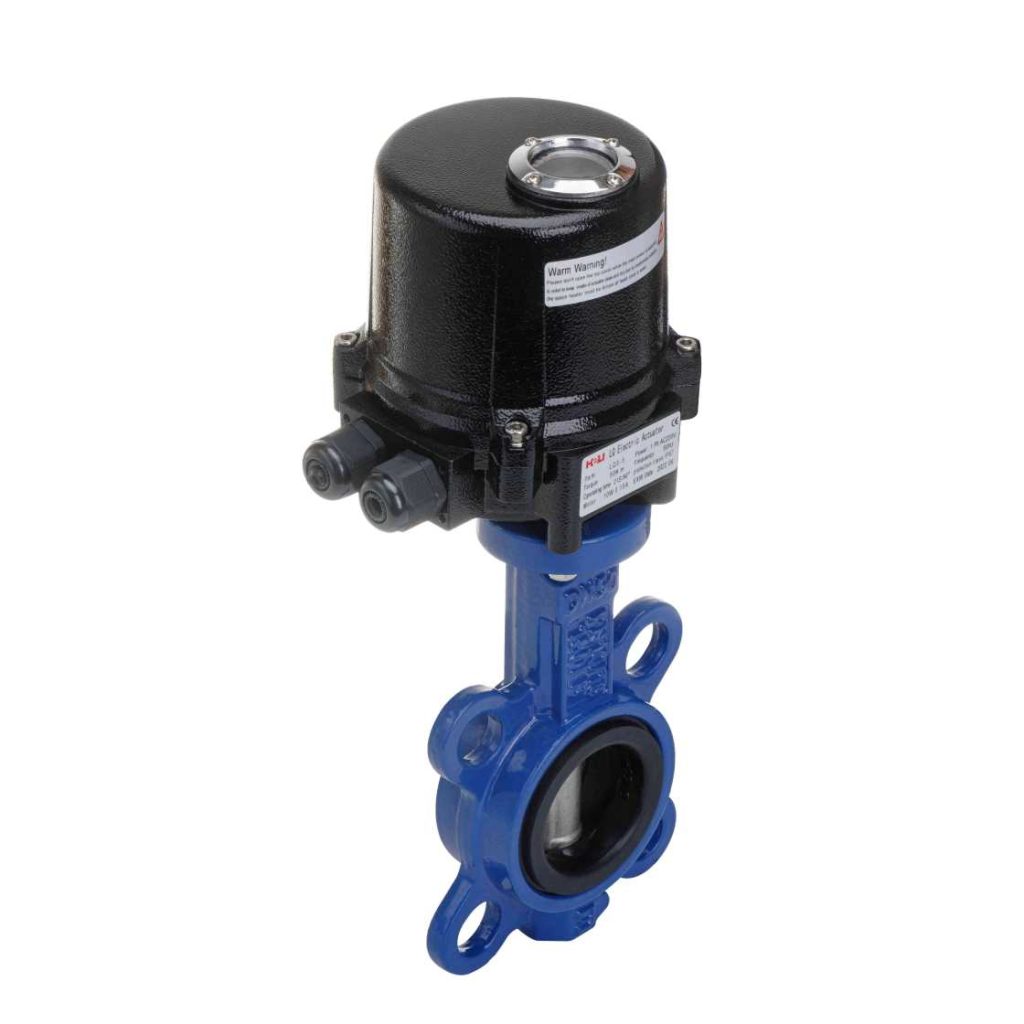
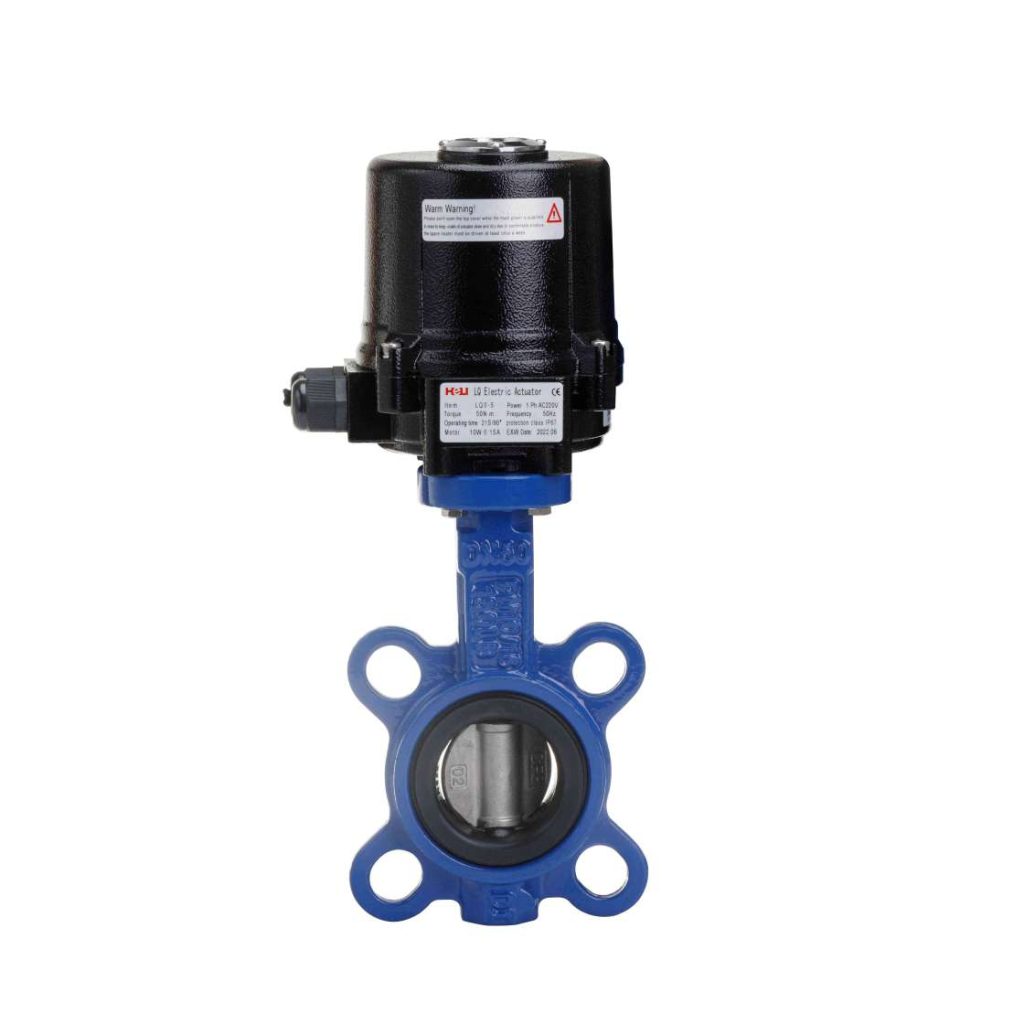
An electric butterfly valve typically consists of several key components: a valve body, a disc (or butterfly), an electric actuator, and a sealing element. The valve body houses the disc and forms the passage for the fluid to flow through. The disc is positioned in the center of the pipe and is capable of rotating 90 degrees to either allow or restrict the flow. The electric actuator, which is the valve’s driving mechanism, converts electrical energy into mechanical motion to open or close the valve. Lastly, the sealing element ensures that there is minimal leakage when the valve is closed.