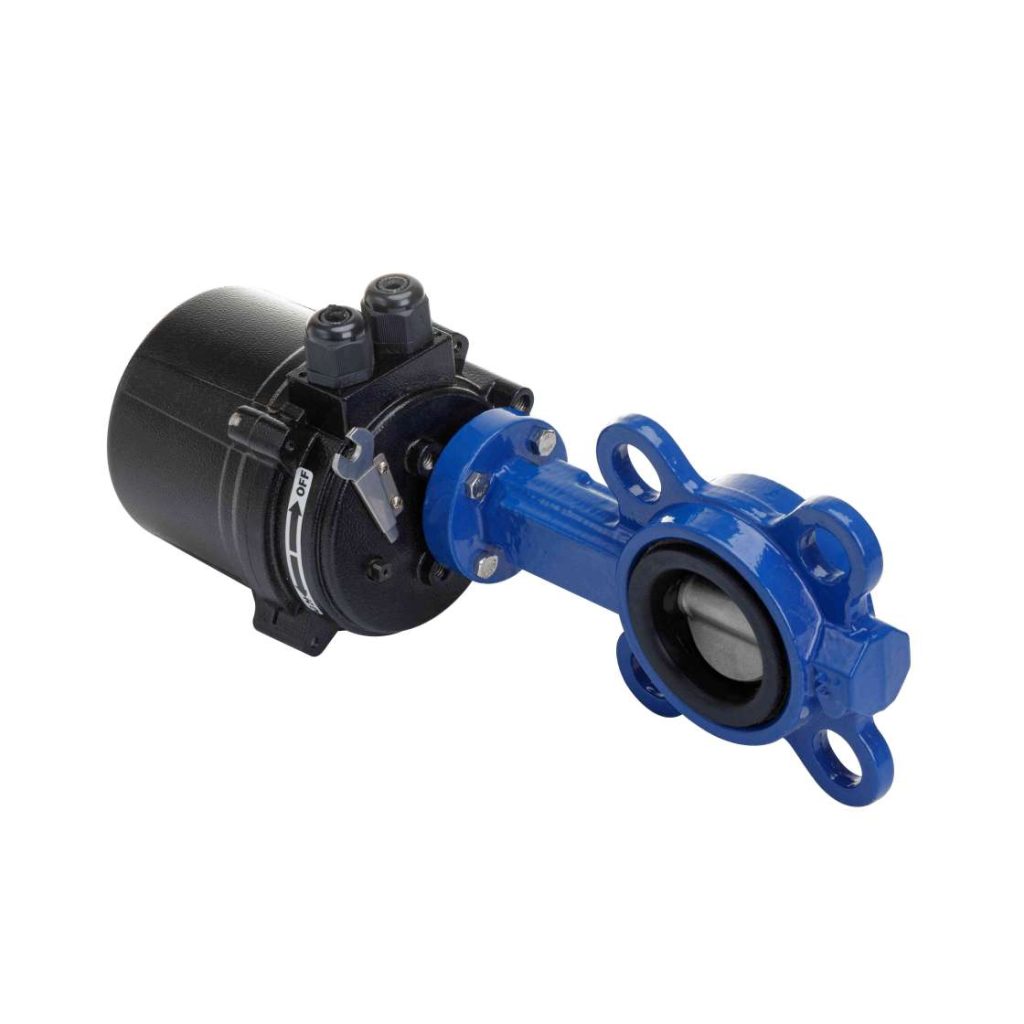
In the modern era of agriculture, where water resources are becoming increasingly scarce and the demand for efficient irrigation is ever-growing, technology plays a crucial role in optimizing agricultural practices. One such advancement is the electric butterfly valve, which has gained significant attention in irrigation systems for its efficiency, ease of use, and integration with automated systems. This article will explore the importance, features, benefits, and applications of the electric butterfly valve in agricultural irrigation systems.
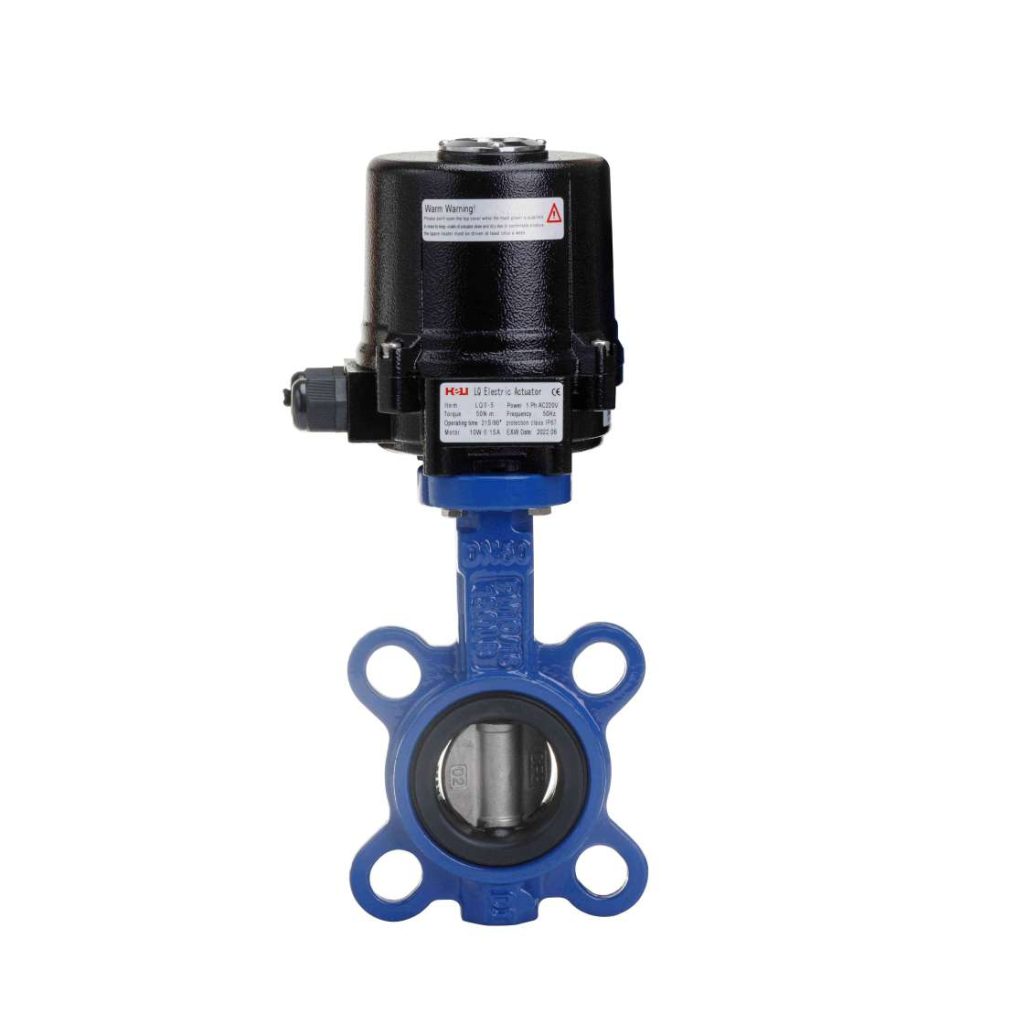
The Role of Electric Butterfly Valves in Agriculture
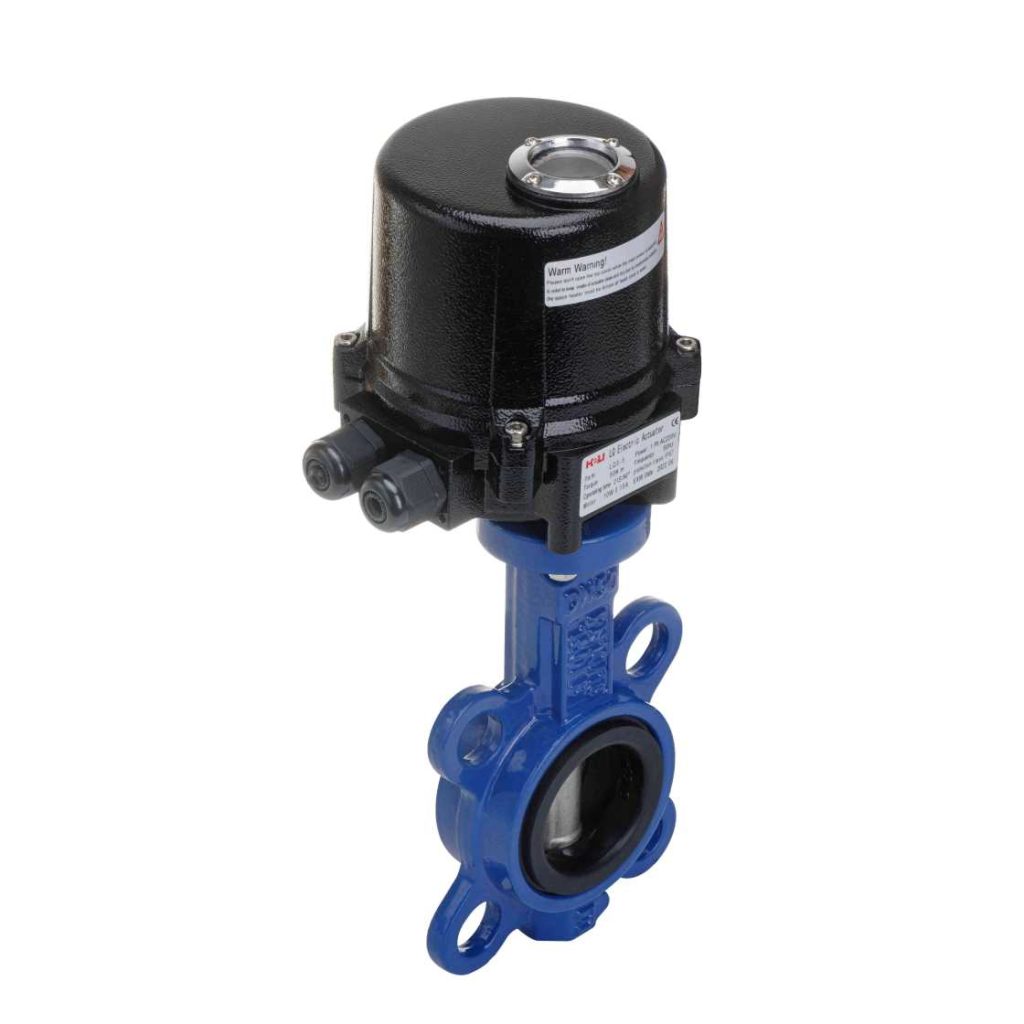
Electric butterfly valves are essential components in modern agricultural irrigation systems. They are used to regulate and control the flow of water through pipes, helping to ensure that crops receive the necessary amount of water for optimal growth. Unlike traditional manual valves, electric butterfly valves are equipped with an electric actuator that enables automated and remote control. This automation is especially valuable for large-scale irrigation systems, where manual control would be cumbersome and inefficient. The main purpose of an electric butterfly valve in irrigation is to control the volume and pressure of water flowing through the system. By adjusting the valve’s opening and closing, farmers can regulate water distribution, ensuring that water reaches every part of the field evenly, without wastage. This precision is crucial in areas where water conservation is a top priority.