In the construction industry, safety is paramount. Workers are often exposed to hazardous environments, with scaffolding being one of the most common areas where accidents occur. To mitigate these risks, safety protocols, including lockout/tagout procedures, are critical. One essential component of these procedures is the use of lockout tags, particularly scaffolding lockout tags, which are designed to communicate safety warnings and prevent the accidental use of scaffolding that could pose a danger to workers. This article explores the role of wholesale scaffolding lockout tags manufacturers, the types of tags they produce, and their importance in promoting workplace safety.
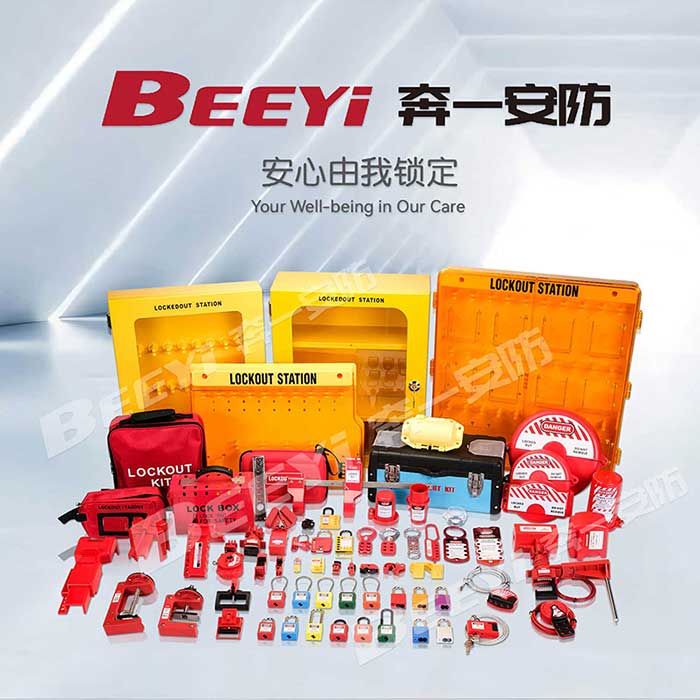
The Role of Lockout Tags in Construction Safety Lockout tags are an integral part of the lockout/tagout (LOTO) system, a safety procedure designed to prevent the accidental release of hazardous energy during the maintenance and servicing of machinery or equipment. In the context of scaffolding, lockout tags serve as a warning signal that a scaffolding structure is unsafe for use. This could be due to ongoing maintenance, inspection, or structural issues that require attention before the scaffold can be used again. Scaffolding lockout tags are typically affixed to scaffolding components, such as ladders, platforms, or access points. These tags inform workers that the scaffolding has been locked out and should not be accessed until it has been deemed safe. The use of these tags is not just a safety precaution; it is also a legal requirement in many regions, ensuring compliance with occupational safety and health regulations such as OSHA (Occupational Safety and Health Administration) in the United States.