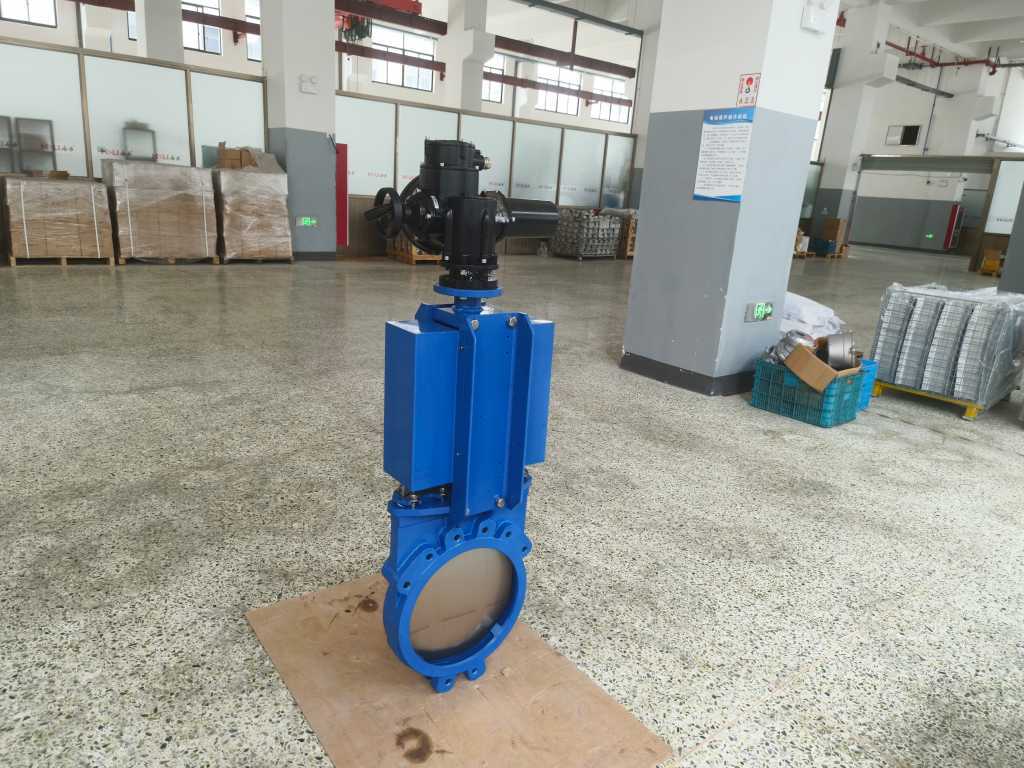
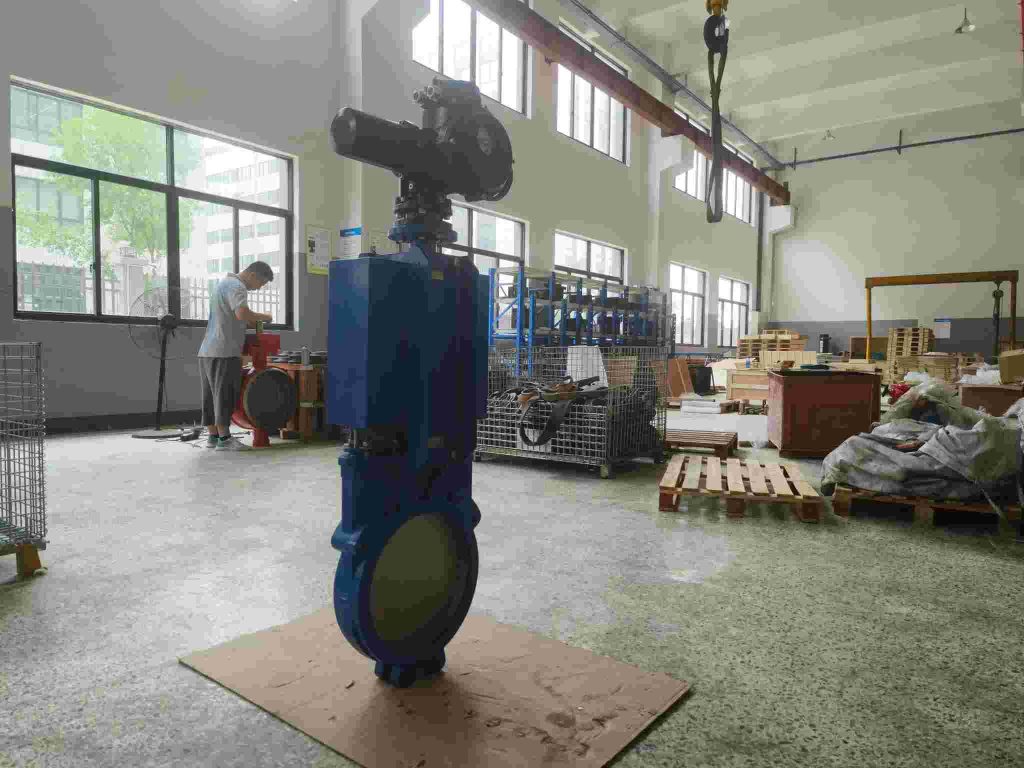
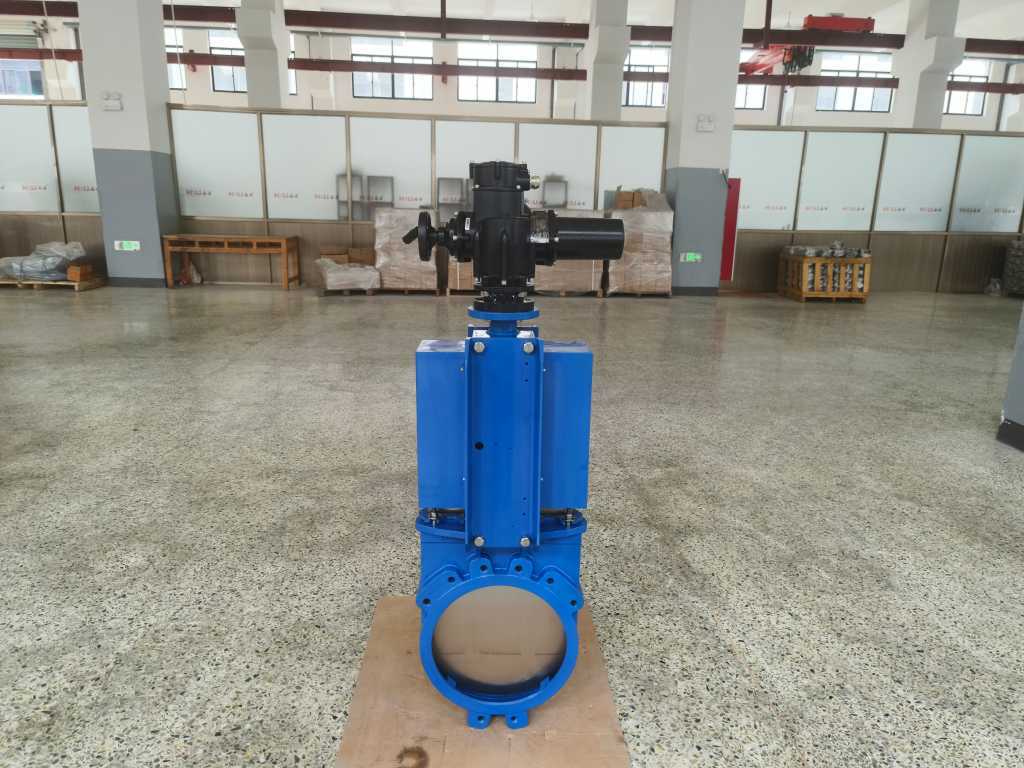
The world is shifting toward renewable energy sources in an effort to combat climate change, reduce pollution, and achieve sustainable energy solutions. Among the promising alternatives, hydrogen energy has emerged as a key player due to its potential to offer a clean, efficient, and versatile fuel source. As hydrogen production, storage, and distribution continue to grow, the need for advanced components to regulate and control hydrogen flow becomes increasingly important. One such component is the hydrogen energy electric flat gate valve, a vital part of hydrogen infrastructure. This article explores the significance, functionality, and future of this specialized valve in the context of the hydrogen energy sector.
Understanding Hydrogen Energy and Its Potential
Hydrogen energy refers to the use of hydrogen gas as a source of power, which can be harnessed through combustion or, more commonly, in fuel cells. When hydrogen is used in fuel cells, the only byproducts are water vapor and heat, making it one of the cleanest energy sources available. Moreover, hydrogen can be stored and transported over long distances, which is essential for addressing the intermittency issues associated with other renewable energy sources like solar and wind. As industries and governments worldwide aim to reduce carbon emissions and transition to cleaner energy solutions, hydrogen is gaining traction as an alternative fuel. Hydrogen-based technologies are now being employed in sectors such as transportation, power generation, and even heavy industries, where high temperatures and clean energy are essential. However, ensuring the safe, efficient, and reliable transportation and distribution of hydrogen requires specialized infrastructure and equipment, including valves that can handle the unique characteristics of hydrogen.