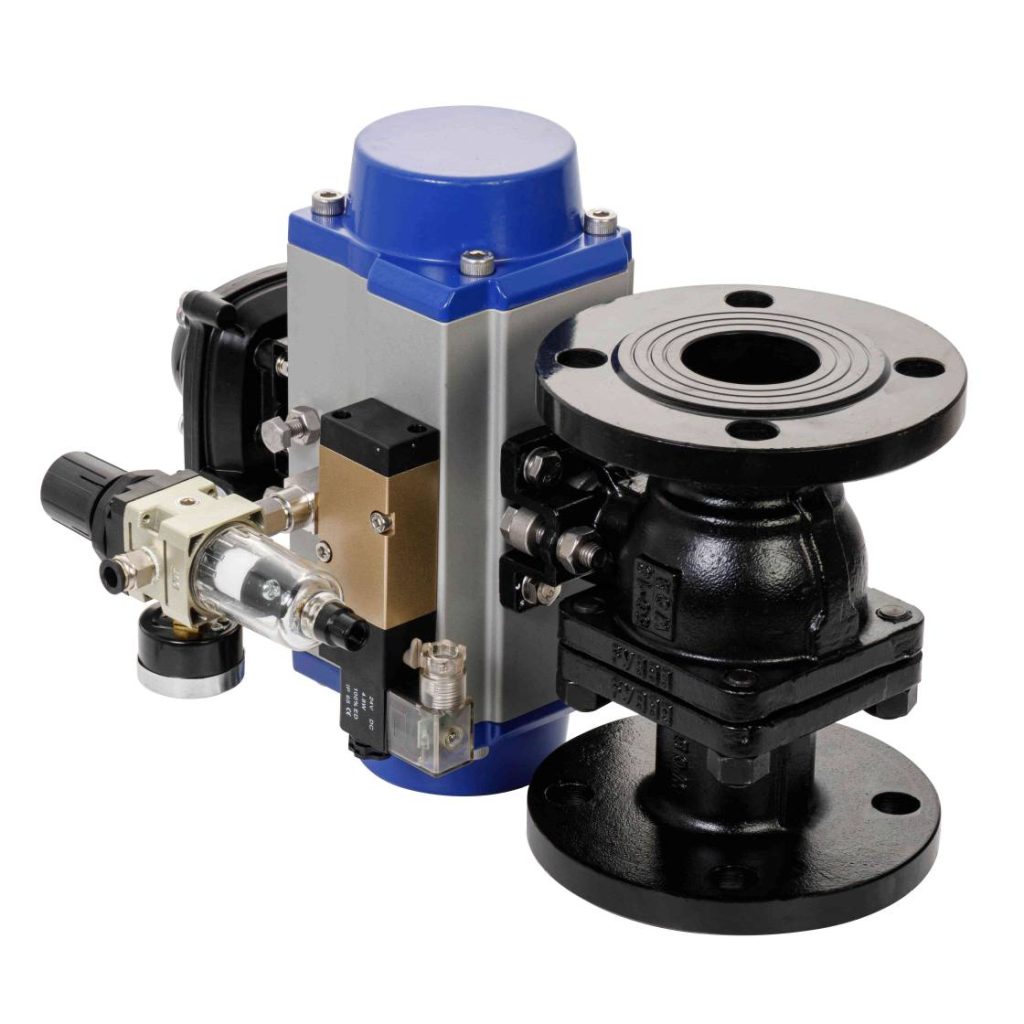
Pneumatic ball valves are widely used in various industries due to their ability to control the flow of fluids efficiently and effectively. These valves utilize compressed air to open or close the valve, offering several key benefits such as speed, accuracy, and ease of integration into automated systems. In this article, we will explore the working principles, advantages, and typical applications of pneumatic ball valves, providing a comprehensive understanding of their role in modern fluid control systems.
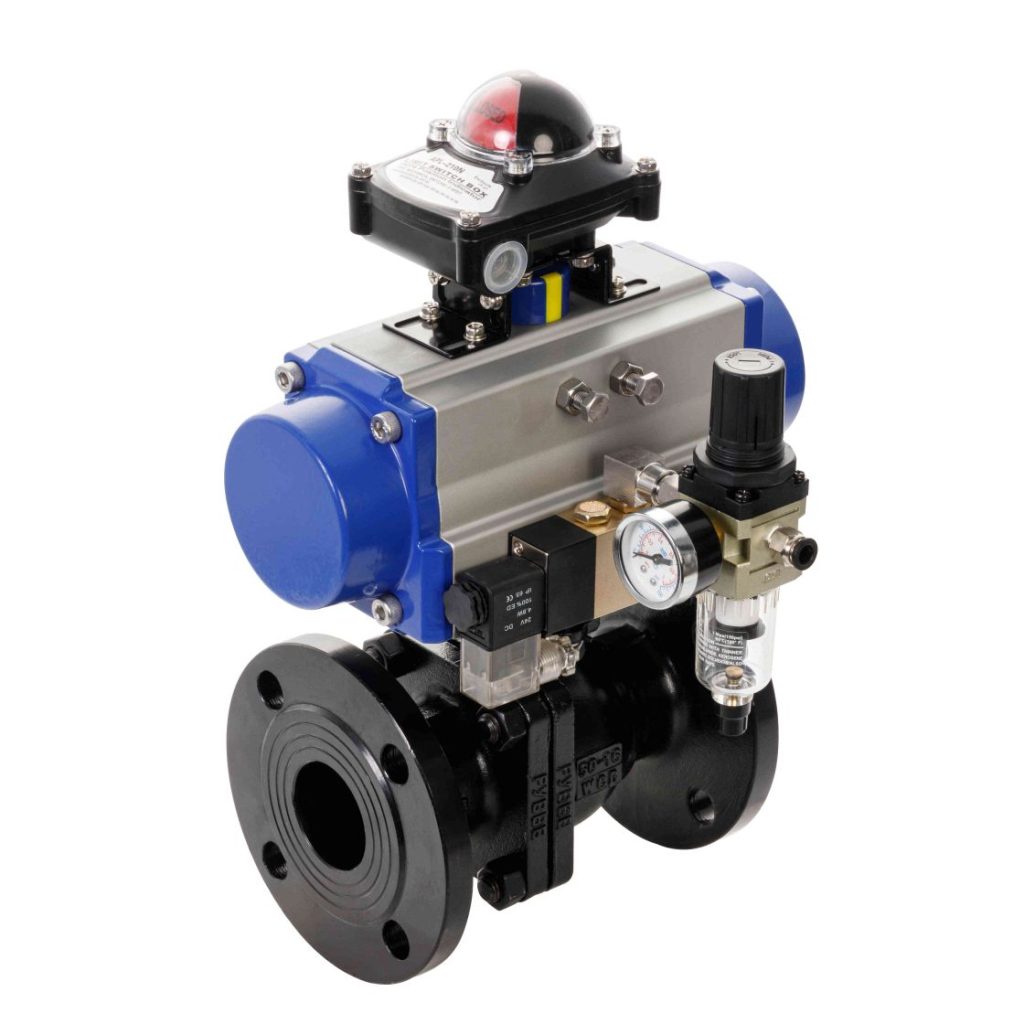
What is a Pneumatic Ball Valve?
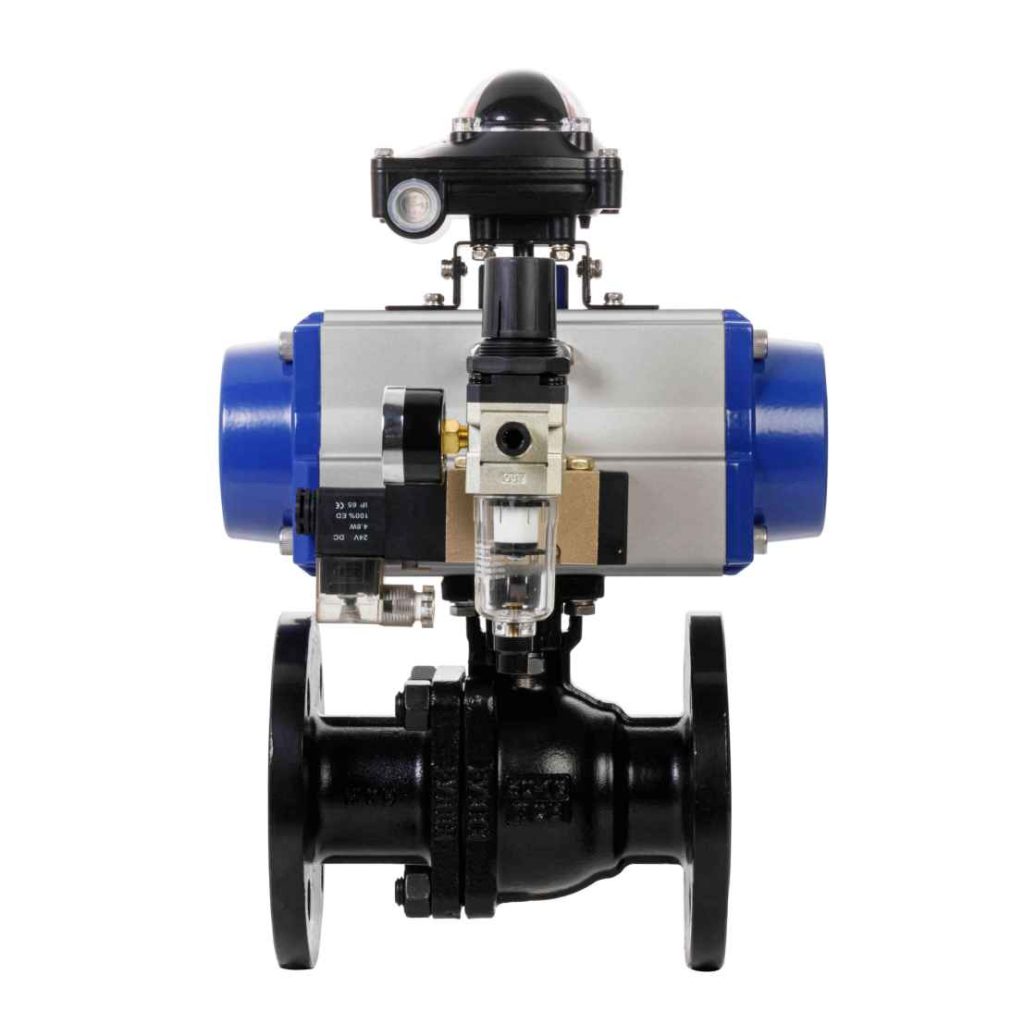
A pneumatic ball valve is a type of valve that uses compressed air to control the position of a ball inside the valve body. The ball has a hole (or port) through its center, and when the valve is open, the hole aligns with the flow path to allow fluid or gas to pass through. When the valve is closed, the ball rotates to a position that blocks the flow, preventing any material from passing through. Pneumatic ball valves are typically designed to provide quick and reliable shut-off, and they can handle a wide range of fluids, including gases, liquids, and slurries. The key component in a pneumatic ball valve system is the actuator, which is powered by compressed air. The actuator is connected to the valve stem, and when air is supplied to the actuator, it moves the ball to either an open or closed position. Pneumatic actuators are available in different configurations, including single-acting (spring return) and double-acting types, depending on the application’s requirements.