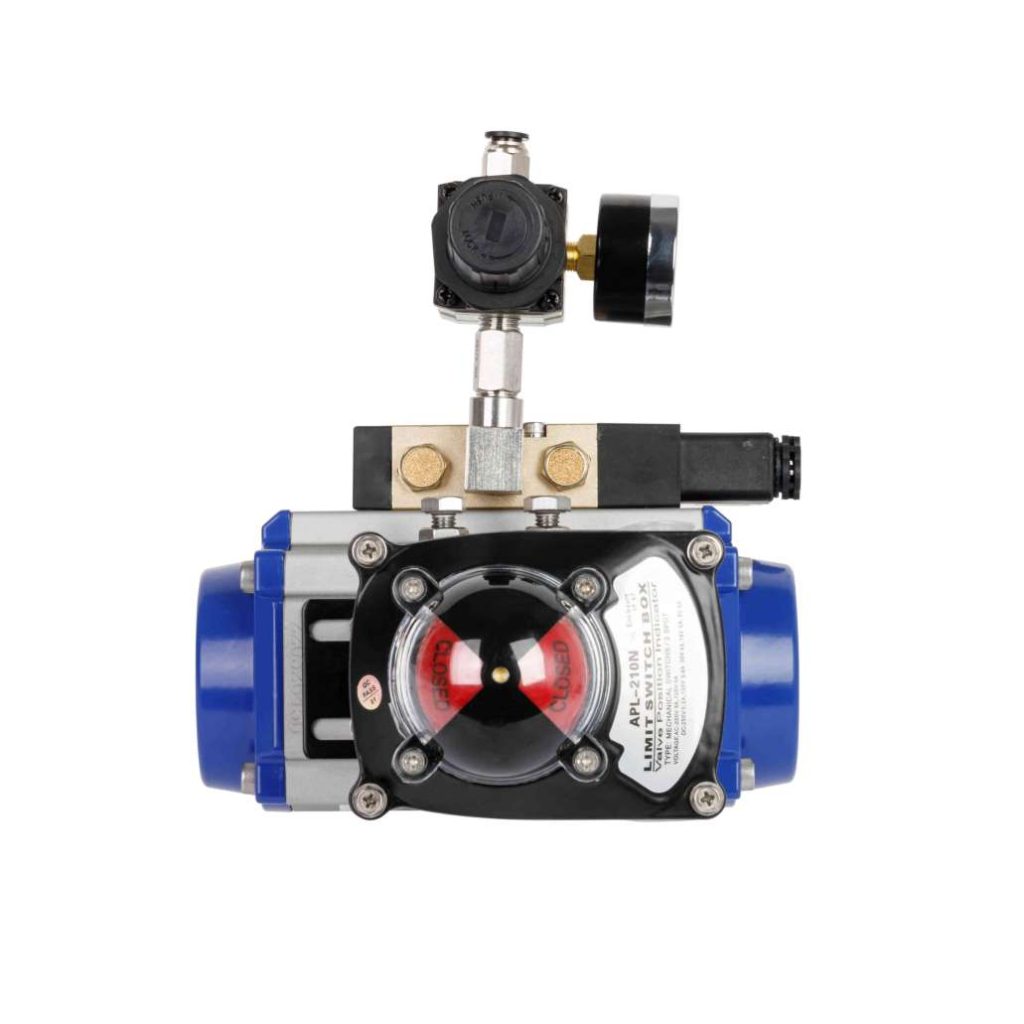
Pneumatic actuators play a pivotal role in modern automation systems, offering a reliable and efficient means of converting compressed air into mechanical motion. These devices are widely used across various industries, from manufacturing and robotics to automotive and process control, due to their speed, simplicity, and cost-effectiveness. In this article, we will explore the working principles, types, advantages, and applications of pneumatic actuators in order to understand their significance in industrial automation.
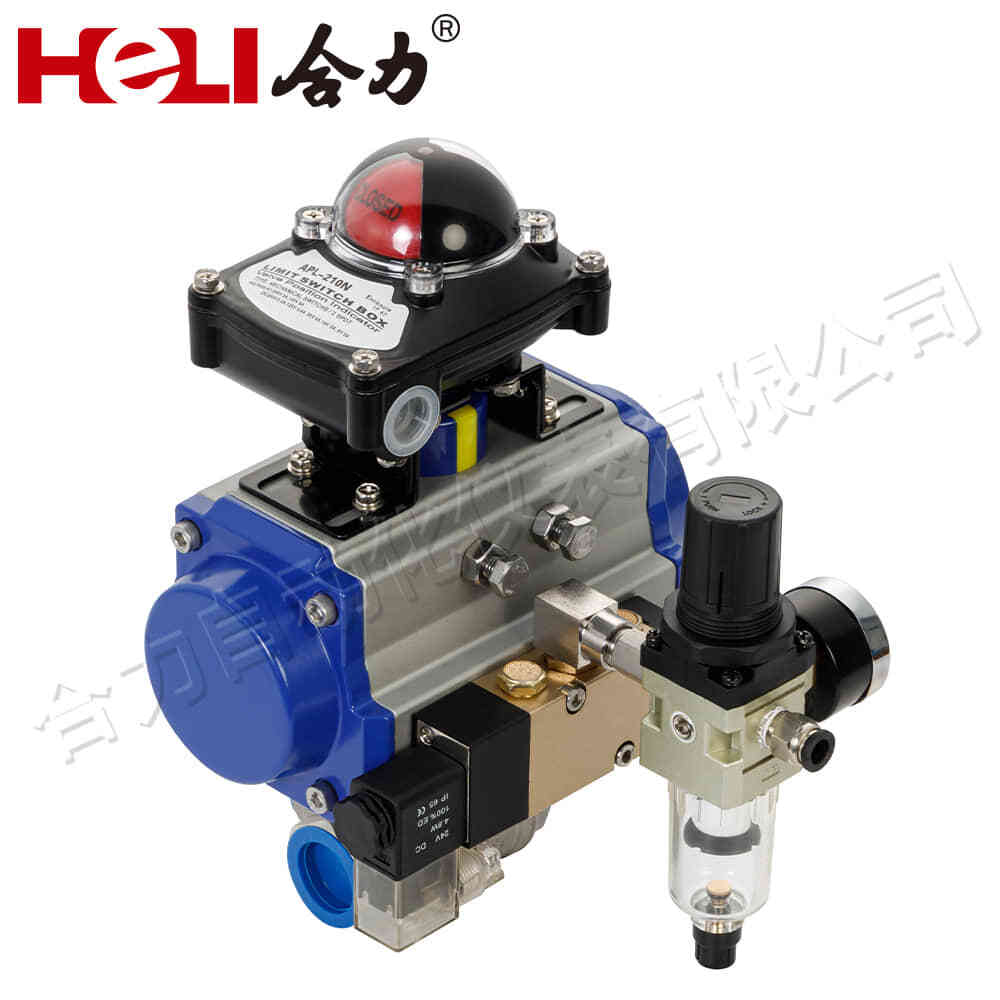
Working Principles of Pneumatic Actuators
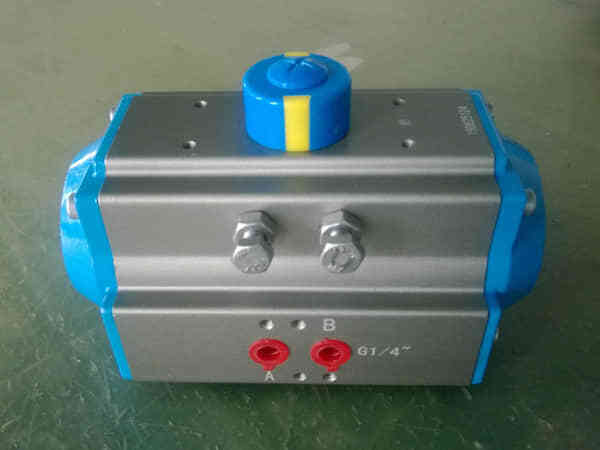
At its core, a pneumatic actuator consists of a cylinder, piston, and valve system that work in unison to convert compressed air into linear or rotary motion. The process begins when compressed air is introduced into the cylinder, creating pressure that moves the piston. This movement of the piston generates mechanical force, which can be harnessed to perform tasks such as opening and closing valves, lifting objects, or driving machinery. The movement of the piston can be controlled by regulating the airflow in and out of the actuator through a valve. The direction, speed, and force of the piston’s movement can be adjusted by controlling the air pressure, making pneumatic actuators highly versatile and efficient for different applications.