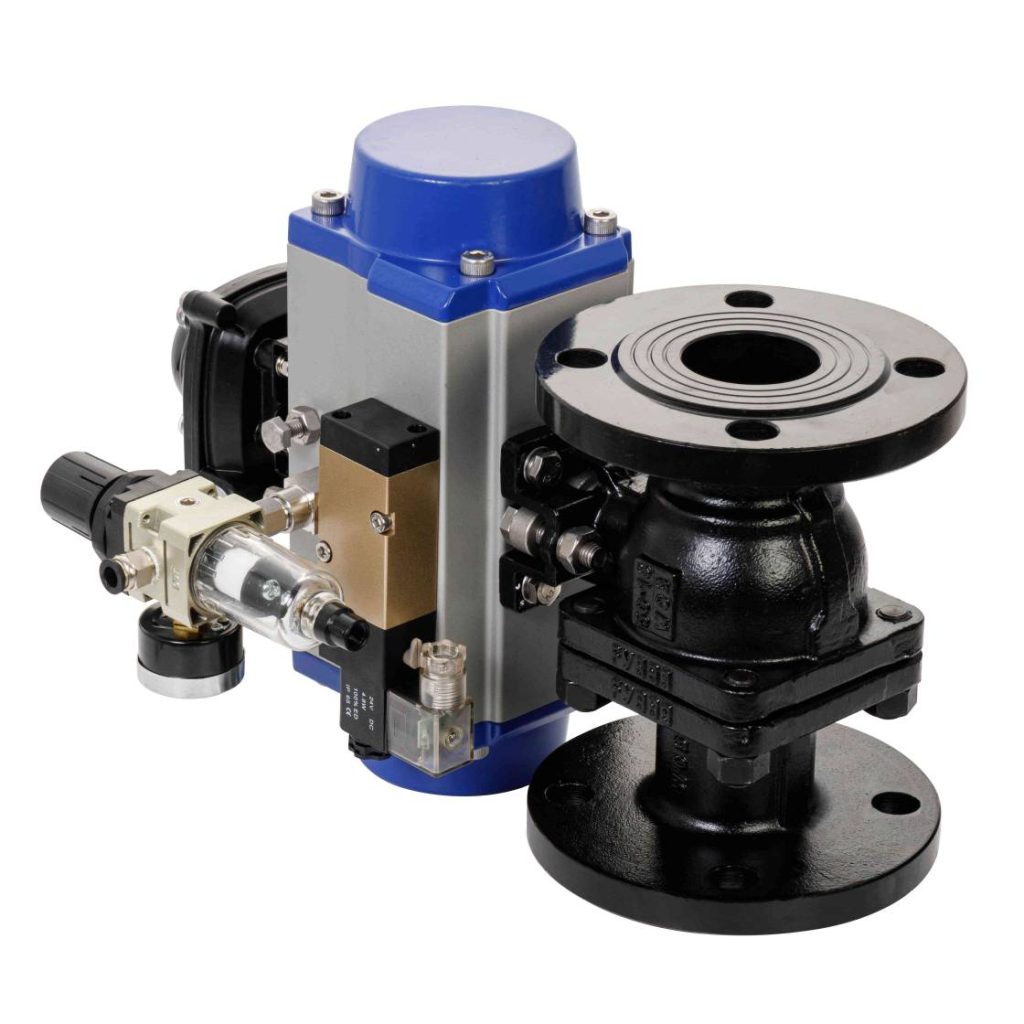
In the realm of industrial automation, the efficiency of fluid control systems is crucial for ensuring smooth operations and minimizing downtime. One of the key components that play an integral role in these systems is the Pneumatic Ball Valve. These valves are widely used in various industries, including oil and gas, water treatment, food processing, and pharmaceuticals, to control the flow of fluids, gases, and slurries. This article will explore the functionality, advantages, applications, and maintenance considerations of pneumatic ball valves, as well as how they contribute to the optimization of industrial processes.
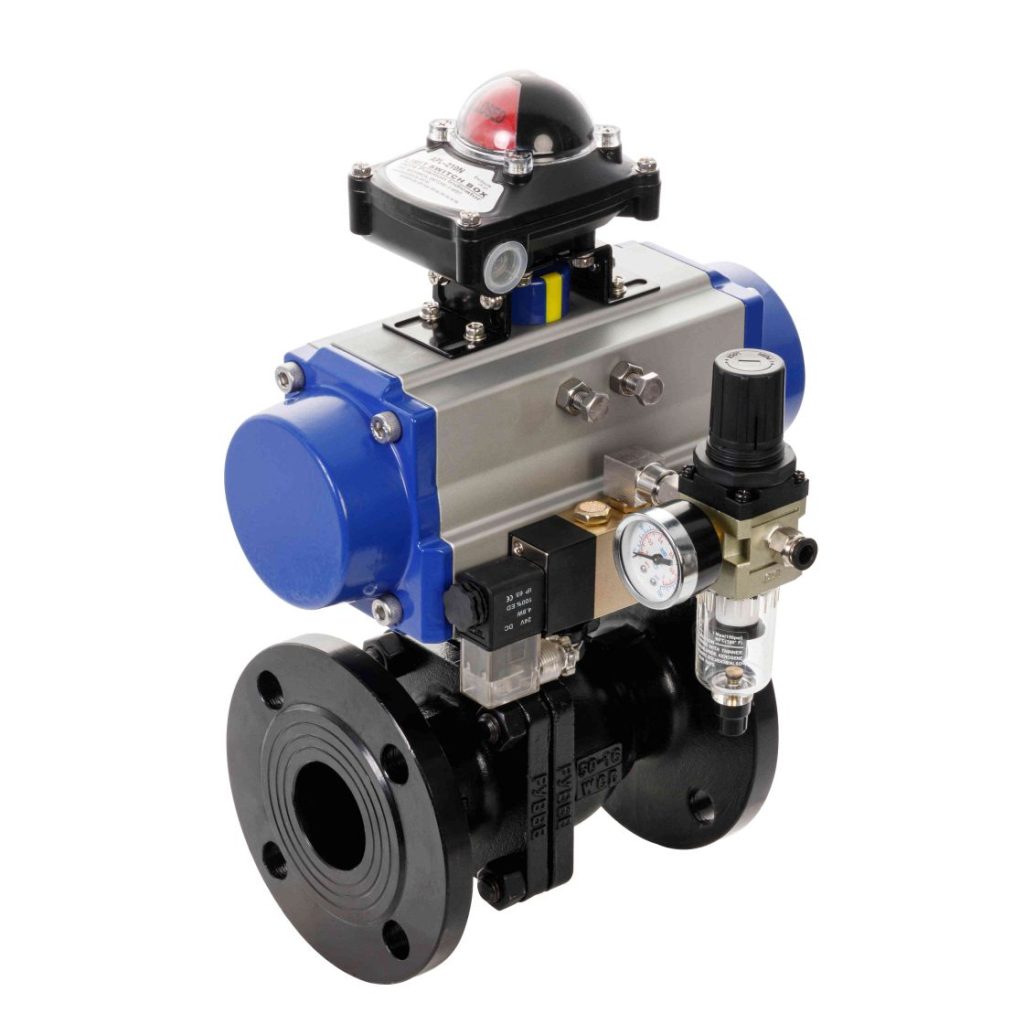
What is a Pneumatic Ball Valve?
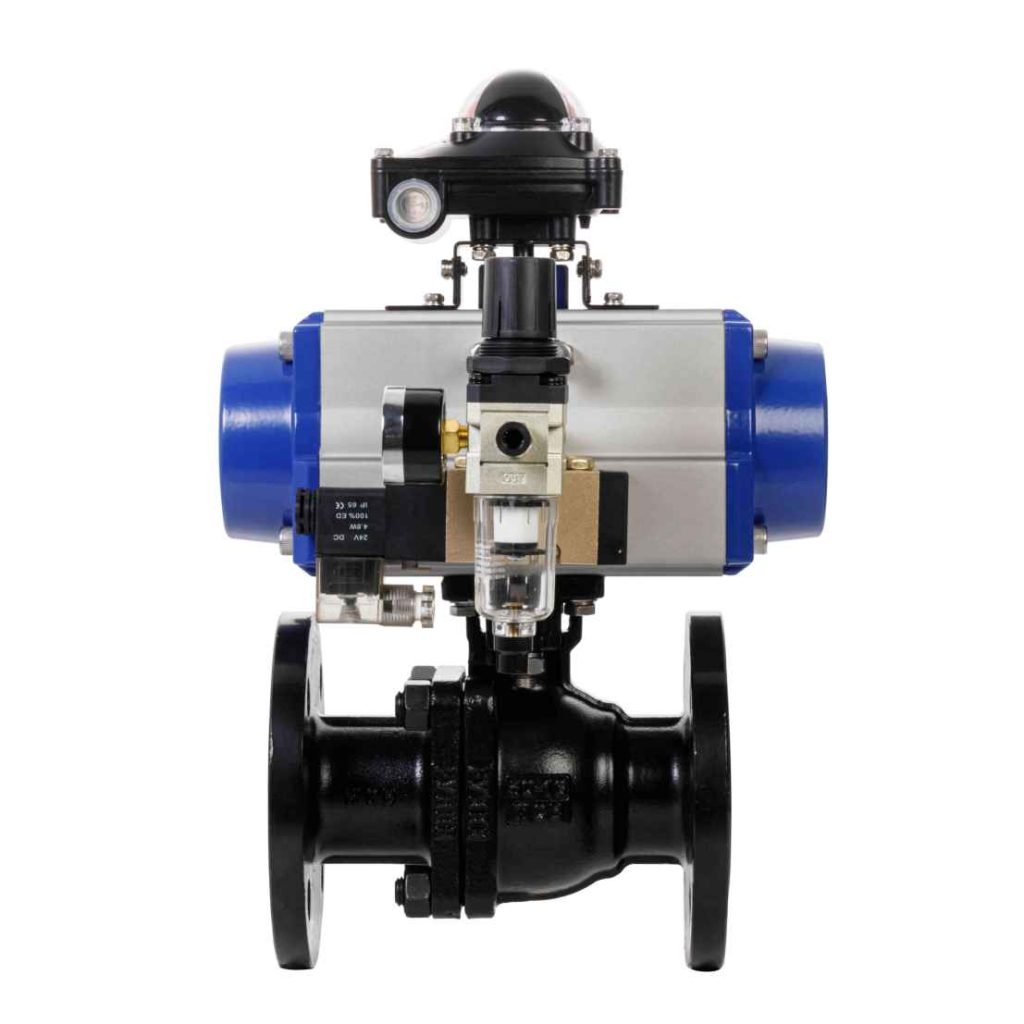
A pneumatic ball valve is a type of valve that utilizes compressed air to actuate a ball valve mechanism, thereby regulating the flow of fluids or gases in a pipeline. The ball valve consists of a spherical closure element with a hole (bore) in the center, which aligns with the pipe when the valve is open and blocks the pipe when the valve is closed. Pneumatic actuators, powered by compressed air, are used to rotate the ball valve 90 degrees, allowing for quick and reliable opening or closing of the valve. Key Advantages of Pneumatic Ball Valves Speed and Efficiency: One of the major advantages of pneumatic ball valves is their speed of operation. With the use of compressed air, these valves can open or close in just a few seconds, which is ideal for industries requiring fast response times to regulate flow. This ensures minimal disruption to operations and helps maintain the overall efficiency of the system.