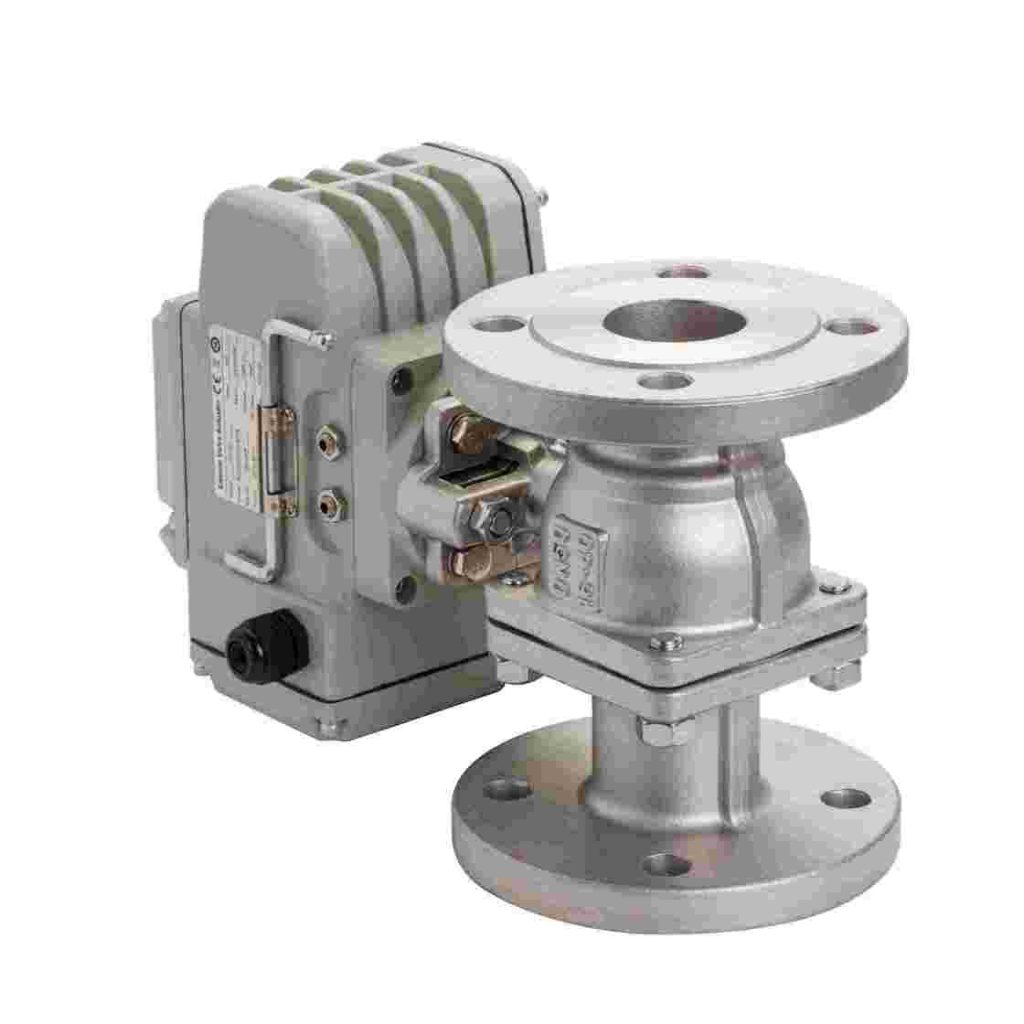
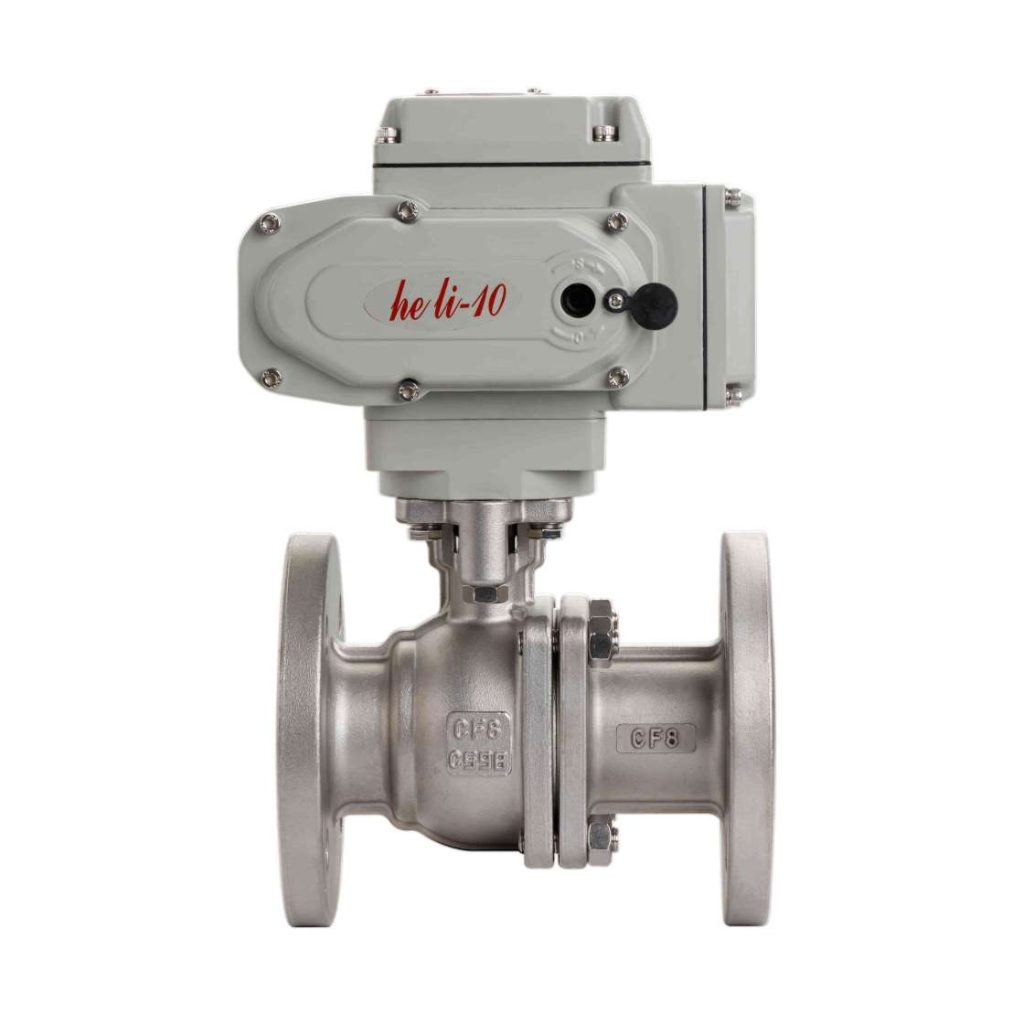
Electric stainless steel flange ball valves are integral components in various industrial applications, designed to regulate fluid flow efficiently and safely. Combining the durability of stainless steel with the precision of electric actuation, these valves offer a robust solution for managing the flow of liquids and gases in piping systems. This article explores the design, functionality, advantages, and applications of electric stainless steel flange ball valves.
Design and Structure
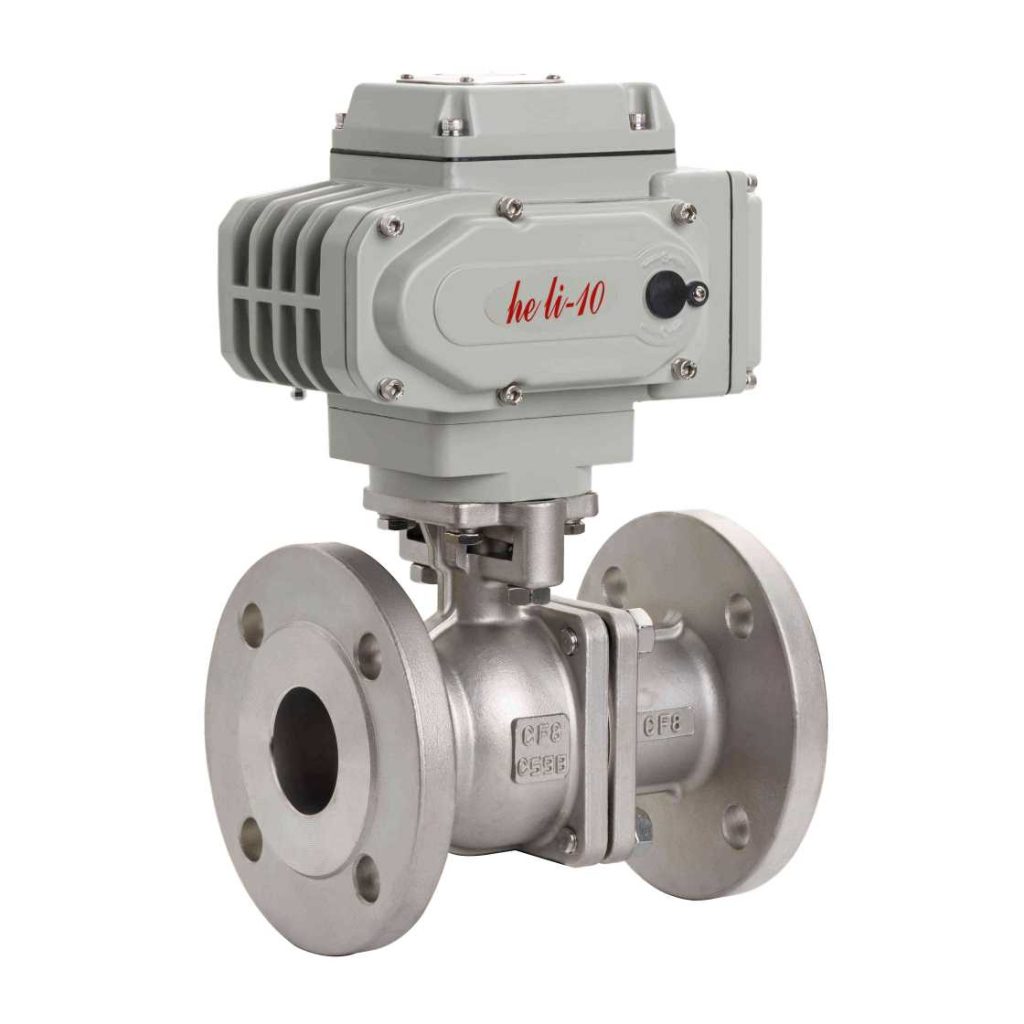
Electric stainless steel flange ball valves consist of several key components: the valve body, ball, seat, stem, and electric actuator. The valve body, typically made from high-grade stainless steel, ensures resistance to corrosion and high-pressure conditions, making it suitable for a wide range of environments, including those involving corrosive substances. The ball within the valve acts as a quarter-turn closure mechanism. When rotated, it allows or restricts fluid flow. The seat, often made from materials like PTFE (polytetrafluoroethylene) or other high-performance plastics, provides a tight seal around the ball, ensuring minimal leakage when the valve is closed.