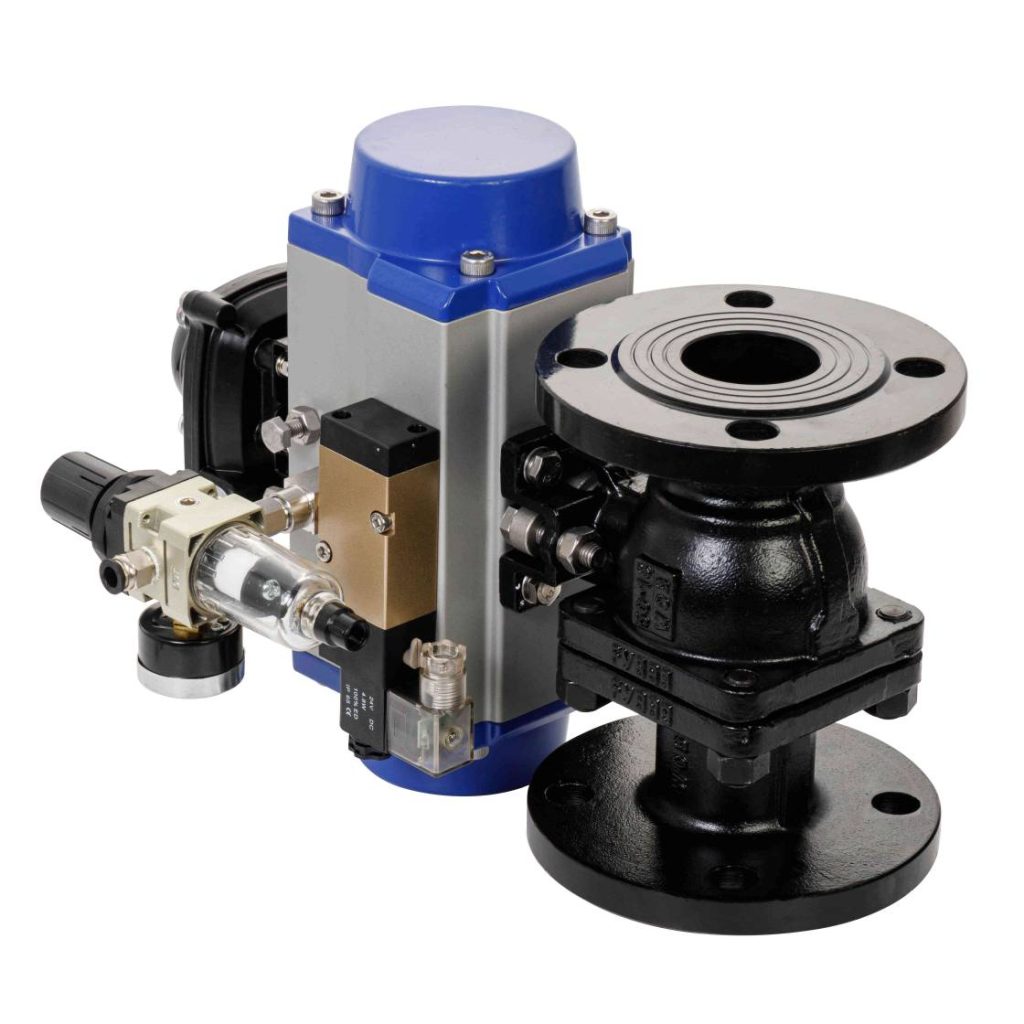
Pneumatic ball valves are essential components in a variety of industrial processes, playing a critical role in regulating fluid flow. These valves combine the functionality of a traditional ball valve with the efficient operation of pneumatic actuation. This article explores the features, advantages, and applications of pneumatic ball valves, shedding light on why they are widely used in numerous settings.
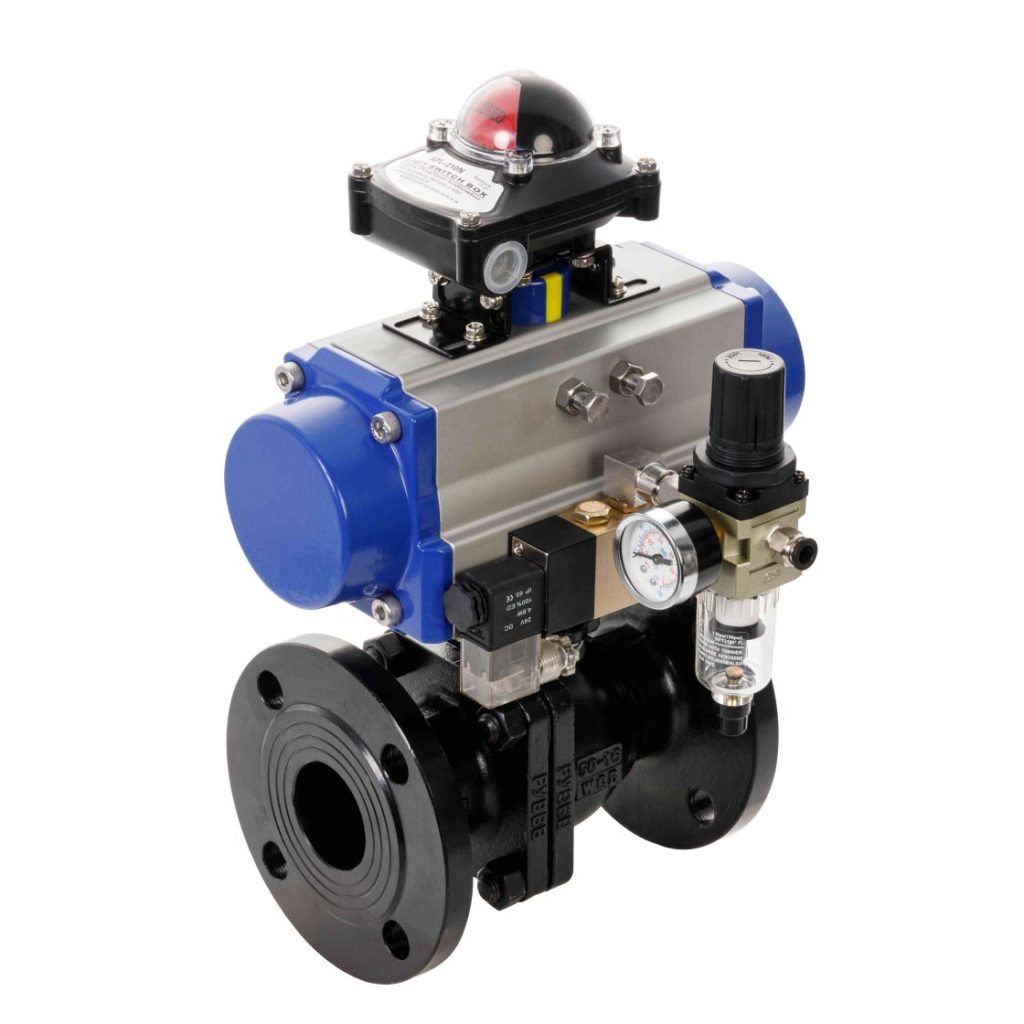
What is a Pneumatic Ball Valve?
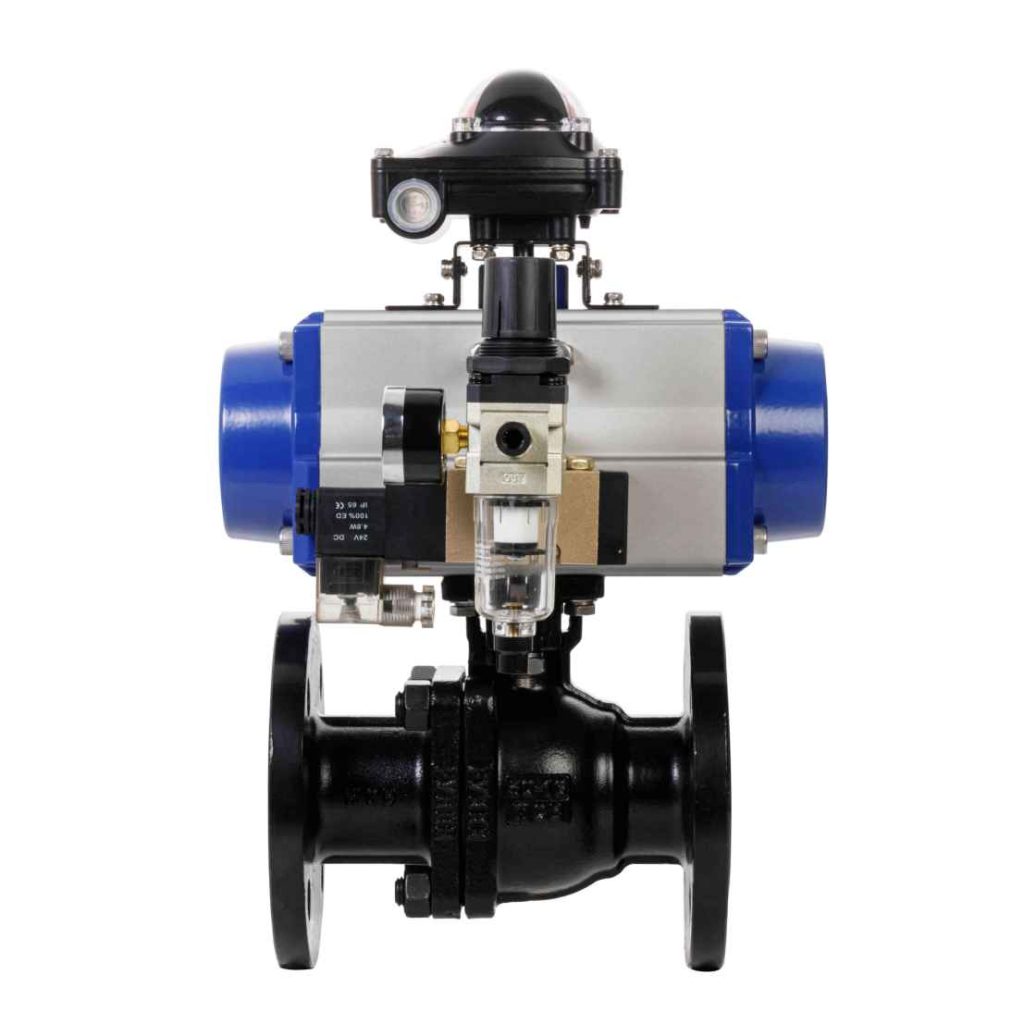
A pneumatic ball valve is a type of quarter-turn valve that utilizes a spherical disk, known as a ball, to control the flow of fluids. The ball has a hole or port through its center, allowing fluid to flow through when aligned with the pipeline. When the valve is closed, the ball rotates to a position that obstructs the flow. The pneumatic aspect refers to the use of compressed air to operate the valve, enabling quick and efficient opening and closing. Operating Mechanism The operation of a pneumatic ball valve involves several components: the valve body, the ball, the pneumatic actuator, and the control system. Compressed air is supplied to the actuator, which is typically a double-acting or single-acting cylinder. In double-acting actuators, air pressure is applied to move the ball in both the open and closed positions. In contrast, single-acting actuators return to the closed position using a spring when air pressure is removed.