The Lithium Battery Electric Pinch Valve has become a game-changer in fluid control systems, offering an innovative solution for applications where traditional power sources may not be readily available. Combining the advantages of electric actuation and the portability of lithium batteries, these valves provide precise control over fluid flow and are ideal for industries such as medical, food processing, and chemical handling, where accuracy, reliability, and remote operation are crucial. This article delves into the working principle, applications, advantages, and challenges of Lithium Battery Electric Pinch Valves, shedding light on how they are shaping the future of fluid control systems.
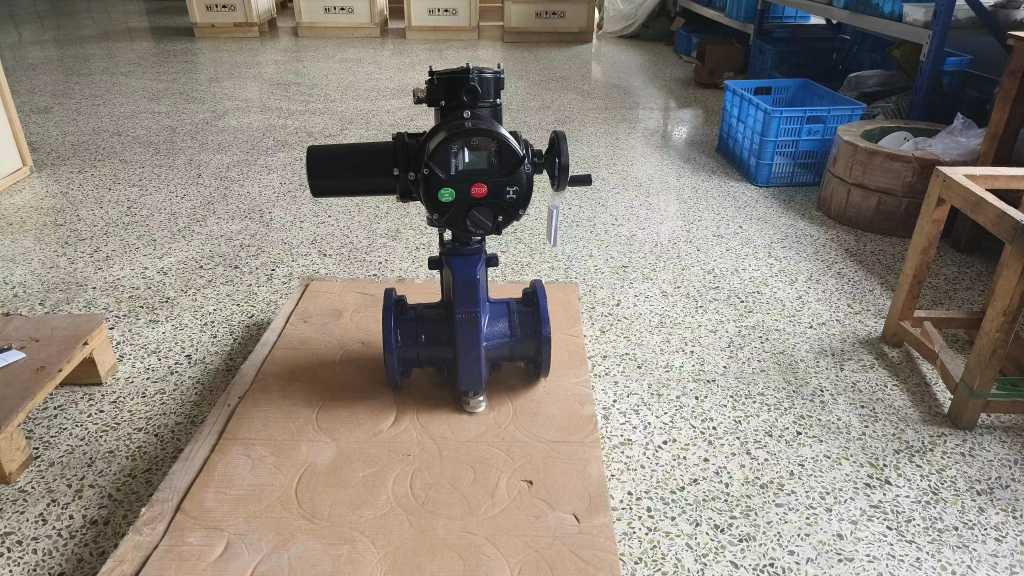
What is a Lithium Battery Electric Pinch Valve? A pinch valve is a type of valve that uses a flexible tube or hose, which is pinched to control fluid flow. The pinch mechanism is highly effective for handling different types of media, including slurries, powders, and highly viscous fluids, which are difficult to manage with traditional valves. In the case of the Lithium Battery Electric Pinch Valve, the valve is actuated by an electric motor powered by a lithium battery, eliminating the need for an external power source. These valves consist of a pinch mechanism and an electric actuator. The actuator is powered by a lithium-ion battery, making the valve fully self-contained and portable. The valve can be controlled remotely, making it an ideal choice for applications where direct manual control is not feasible, or where automation is required for efficient and safe operations.