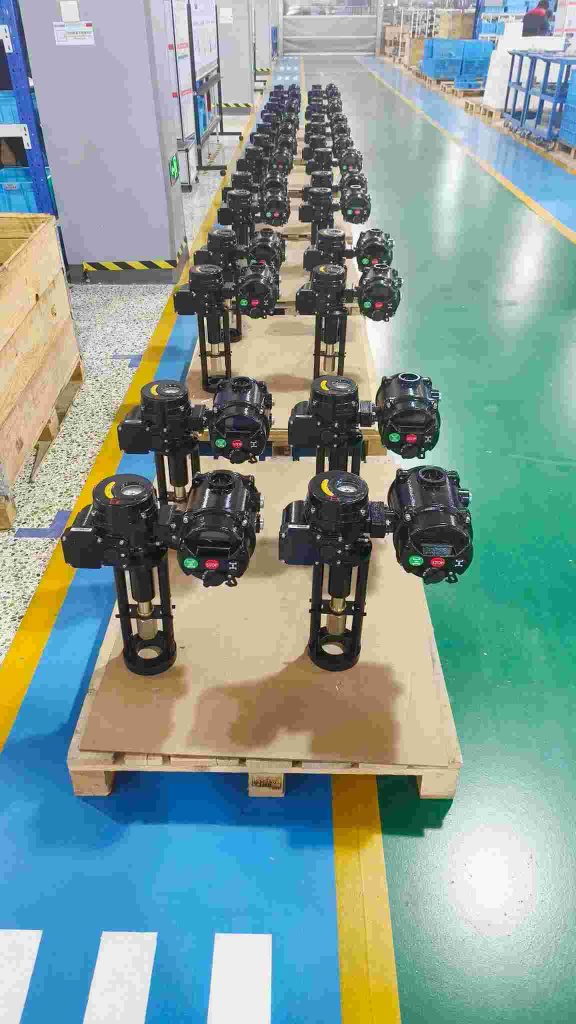
In today’s rapidly advancing technological landscape, intelligent integrated electric actuators (IIEAs) are becoming increasingly essential in automation systems across various industries. These cutting-edge devices combine the functionality of traditional electric actuators with advanced control and communication technologies, enabling them to offer a higher level of precision, efficiency, and adaptability. This article explores the key features, applications, and benefits of IIEAs, shedding light on how they are revolutionizing the automation sector.
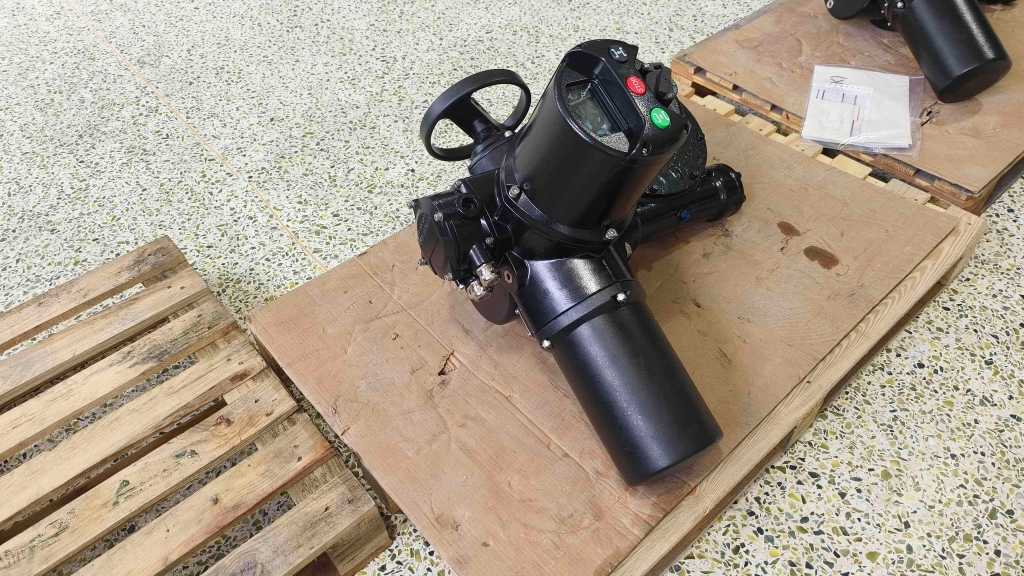
Understanding Intelligent Integrated Electric Actuators
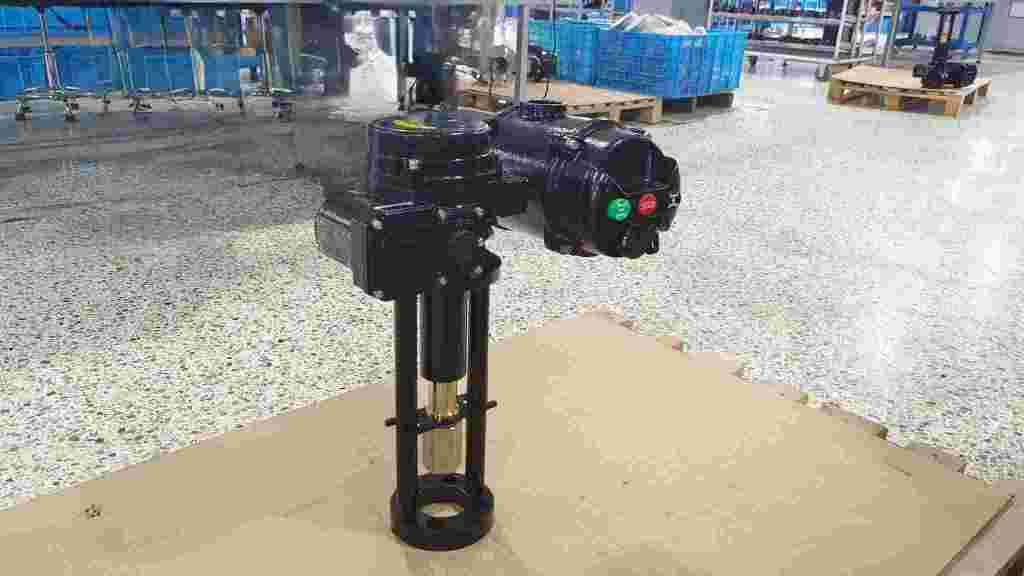
At its core, an intelligent integrated electric actuator is a mechanical device that converts electrical energy into mechanical motion. Unlike conventional actuators, which often require separate controllers and power supplies, IIEAs integrate these components into a single compact unit. This integration allows for a streamlined design, reducing the complexity and space requirements of automation systems. The “intelligent” aspect of these actuators comes from their advanced embedded control systems. These systems include sensors, communication interfaces, and algorithms that enable real-time feedback and adaptive control. This makes IIEAs capable of adjusting their operation dynamically based on environmental conditions, load changes, or operational demands, offering enhanced accuracy and reliability in automation applications.