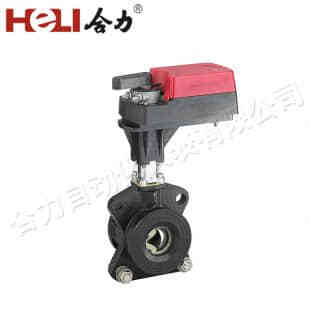
Damper actuators play a crucial role in modern HVAC (Heating, Ventilation, and Air Conditioning) systems, ensuring that air distribution and temperature control are both efficient and precise. These devices are responsible for adjusting and controlling dampers, which are used to regulate airflow, maintain proper ventilation, and improve overall energy efficiency in buildings. This article will explore the importance, functionality, and different types of damper actuators commonly used in the industry.
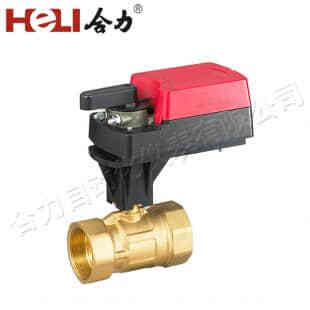
What is a Damper Actuator?
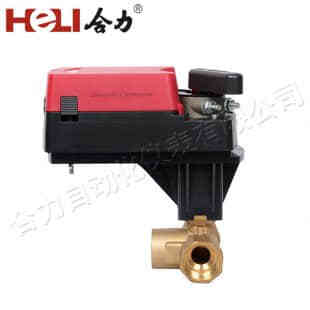
A damper actuator is a mechanical device that regulates the position of a damper in HVAC systems. Dampers are essentially adjustable plates or valves that control the flow of air through ducts. The damper actuator is responsible for controlling the movement of these plates, either opening or closing them, depending on the requirements of the system. Damper actuators are used in a wide variety of applications, including controlling airflow in air handling units (AHUs), exhaust systems, and ventilation ducts. The actuator’s primary function is to adjust the damper’s position based on input signals from the HVAC control system. This enables precise regulation of air pressure, temperature, and humidity, ensuring optimal comfort and energy efficiency within a building.