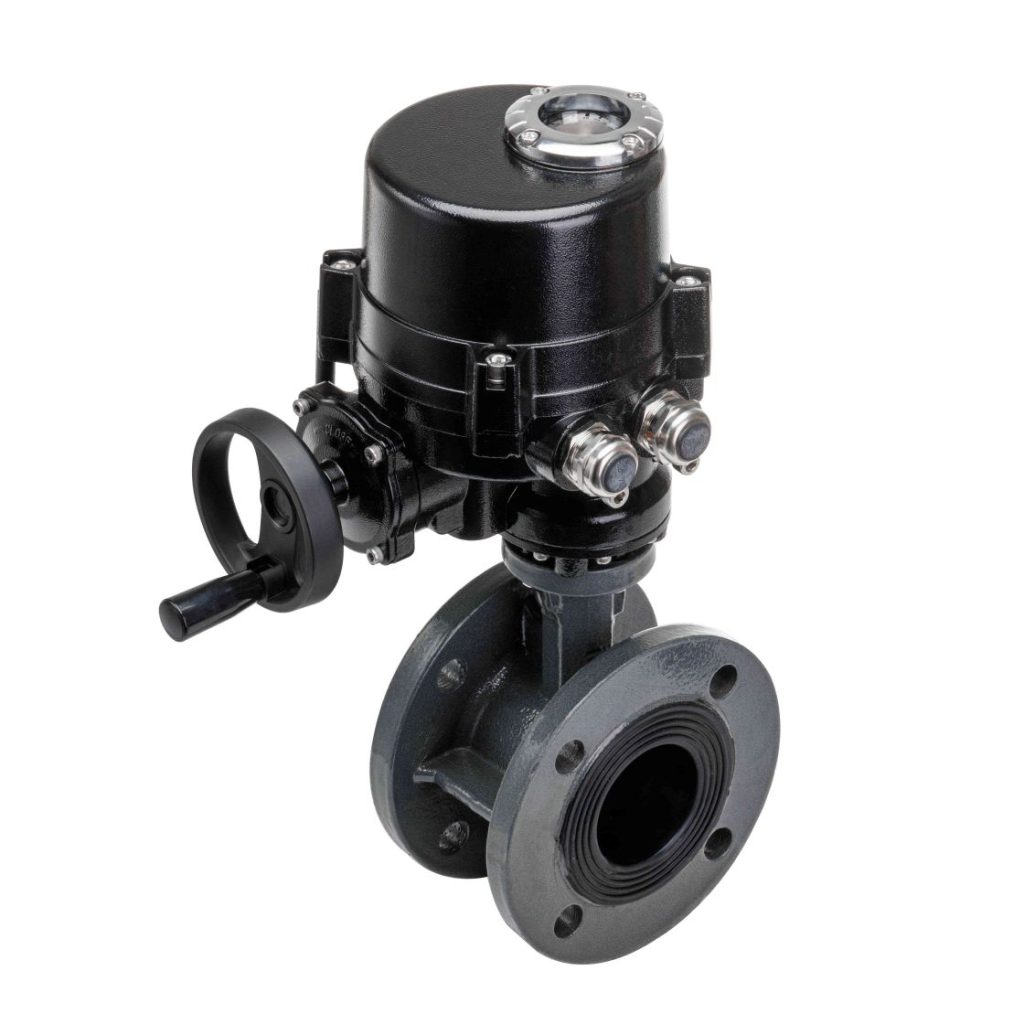
The WCB electric ball valve is a key component in modern industrial systems, offering precise fluid control and enhanced operational efficiency. Widely utilized in a variety of applications, from oil and gas to water treatment and chemical processing, this valve plays a crucial role in optimizing the flow of liquids and gases. The combination of electric automation and the durable WCB (Wrought Carbon Steel) body material makes the WCB electric ball valve an ideal solution for a range of industries. This article explores the features, advantages, and applications of the WCB electric ball valve, illustrating why it has become a preferred choice for industrial automation.
What is a WCB Electric Ball Valve?
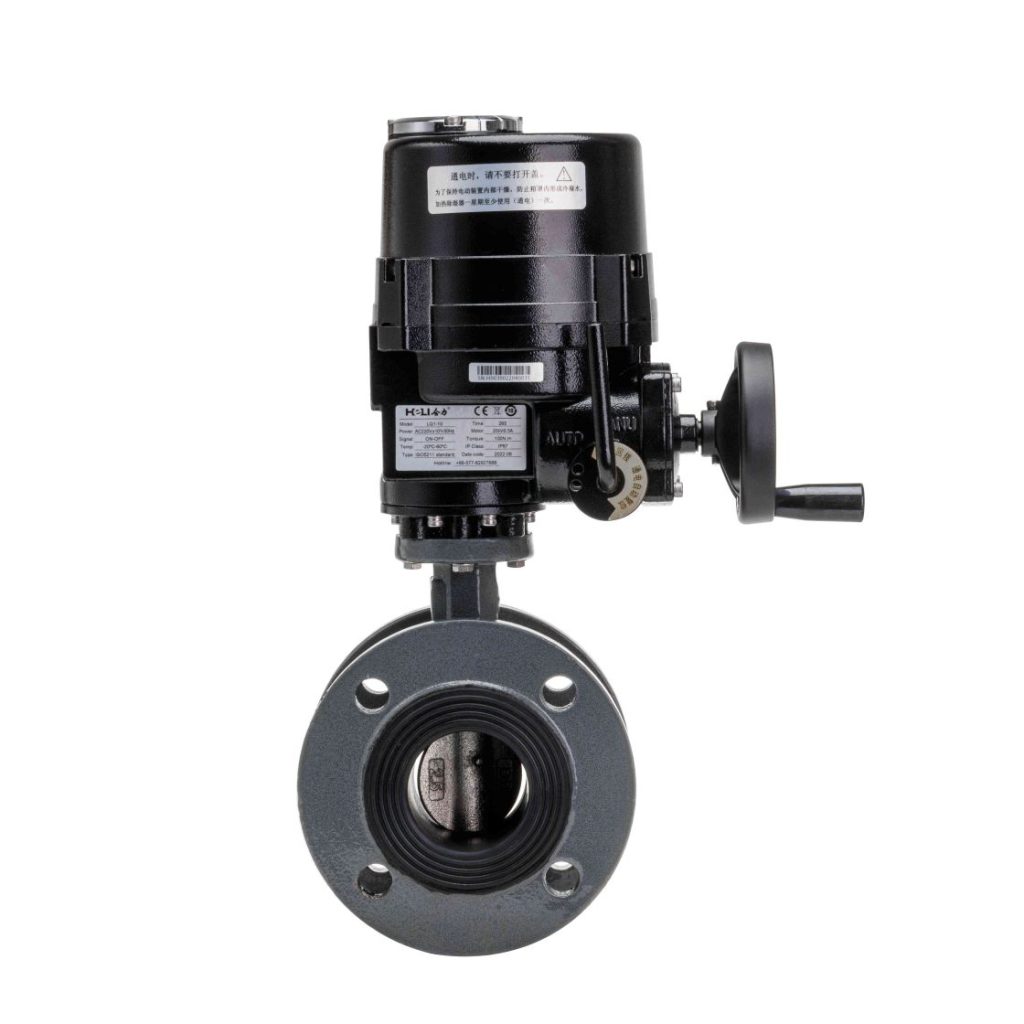
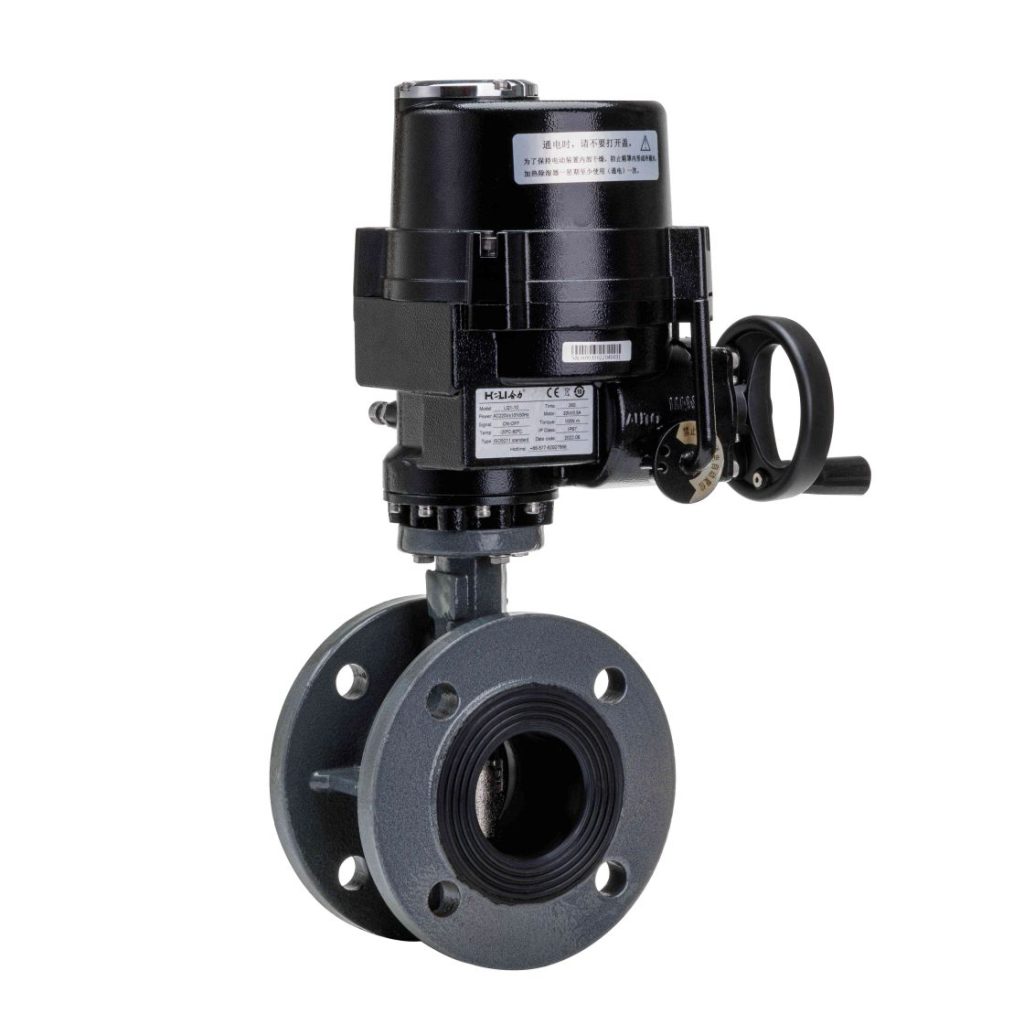
A WCB electric ball valve is a type of quarter-turn valve that utilizes an electric actuator to control the flow of fluids through a pipeline. The “WCB” designation refers to the valve’s body material—Wrought Carbon Steel, known for its strength, durability, and resistance to corrosion. The ball valve mechanism involves a spherical ball with a hole in the center, which rotates to control the flow. When the valve is fully open, the hole aligns with the pipeline, allowing maximum flow. When the valve is closed, the ball rotates 90 degrees, blocking the flow entirely. The electric actuator, typically powered by electricity, automates the opening and closing of the valve, making it ideal for remote or automated control systems. This integration of electric control offers precision and convenience, reducing the need for manual intervention and increasing the efficiency of fluid management.