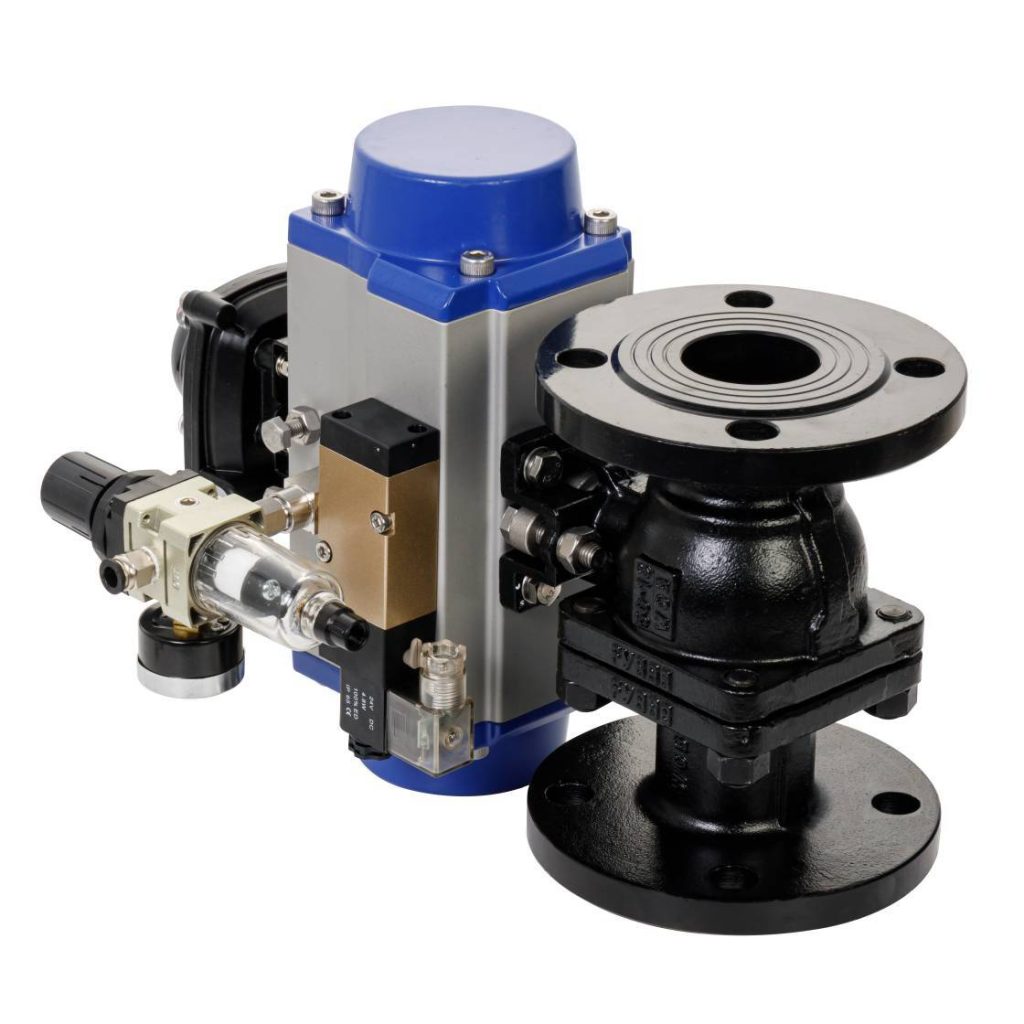
As the world pivots toward sustainable energy solutions, hydrogen energy has emerged as a promising alternative due to its abundance, efficiency, and environmental benefits. Particularly, hydrogen gas holds significant potential in diverse sectors, including transportation, industrial processes, and energy generation. In the heart of utilizing hydrogen energy systems lies an elemental component: the hydrogen energy pneumatic ball valve. This sophisticated device plays a critical role in the safe and efficient control of hydrogen flow in various applications.
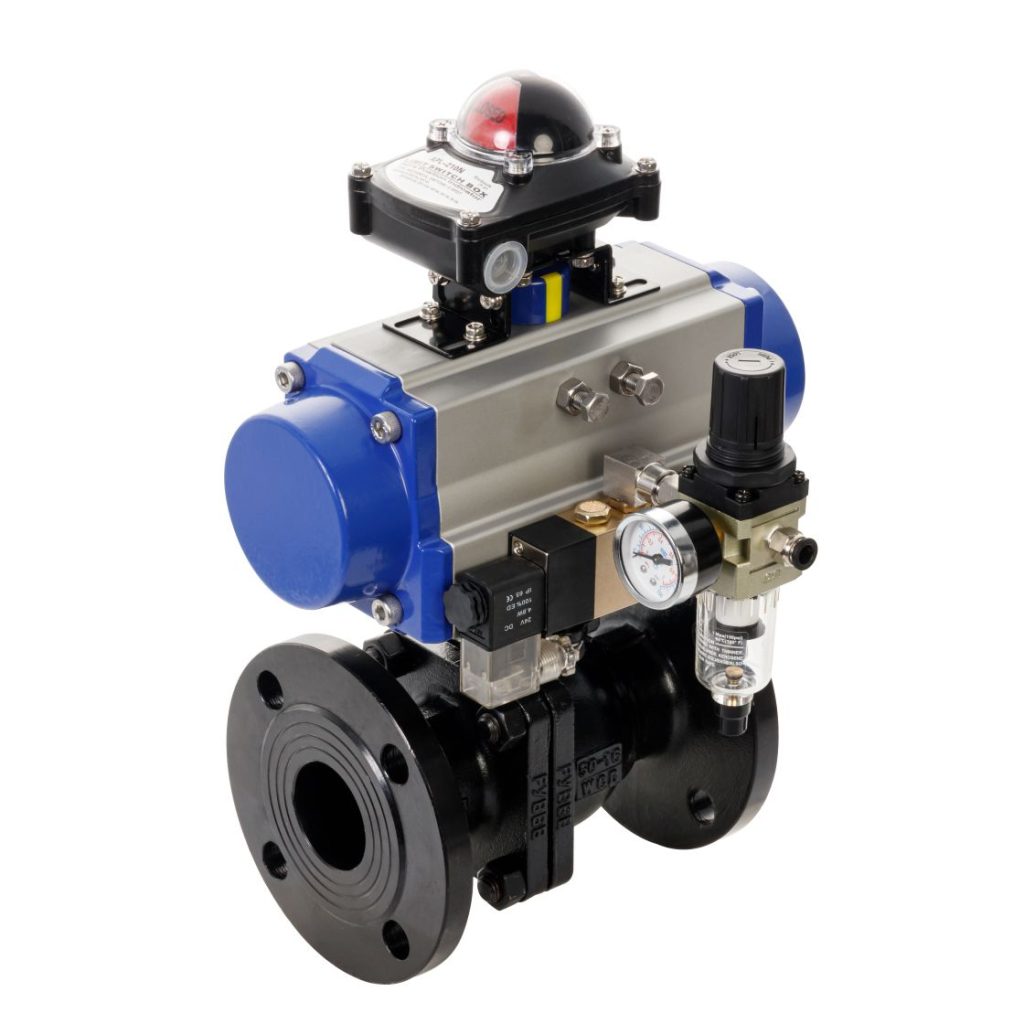
Understanding the Pneumatic Ball Valve
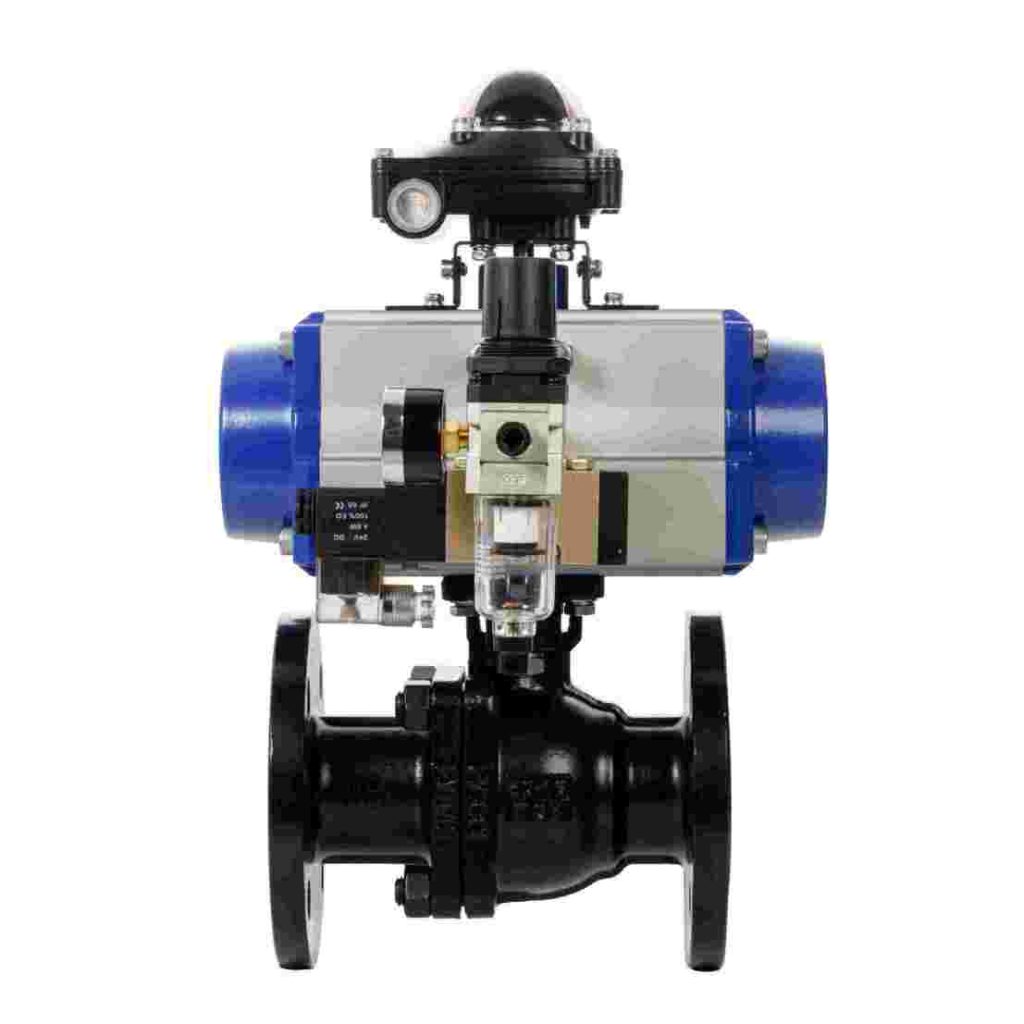
A pneumatic ball valve is a type of valve that utilizes gas pressure to operate and regulate fluid flow. The valve consists of a hollow, perforated sphere (the ball) mounted within a valve body. When the valve is opened, the ball rotates, allowing fluid (in this case, hydrogen) to flow through the pipe. Conversely, when closed, the ball’s position blocks the fluid flow entirely. This design facilitates quick and efficient operation, making it ideal for applications requiring rapid response times. Importance in Hydrogen Energy Systems Hydrogen gas, despite its high energy density and clean combustion byproducts (primarily water), poses unique challenges and risks, particularly in terms of leakage and flammability. Therefore, using robust and reliable equipment like hydrogen energy pneumatic ball valves is imperative to facilitate safe and efficient operations.