The Electric Single Seat Regulating Valve is an essential component in industrial control systems that helps in regulating the flow of liquids, gases, or steam. It is primarily used to maintain consistent flow rates or pressures in process systems, providing precise control over the media being transported. This article will explore the design, operation, benefits, and applications of electric single seat regulating valves, helping you better understand their role in various industries.
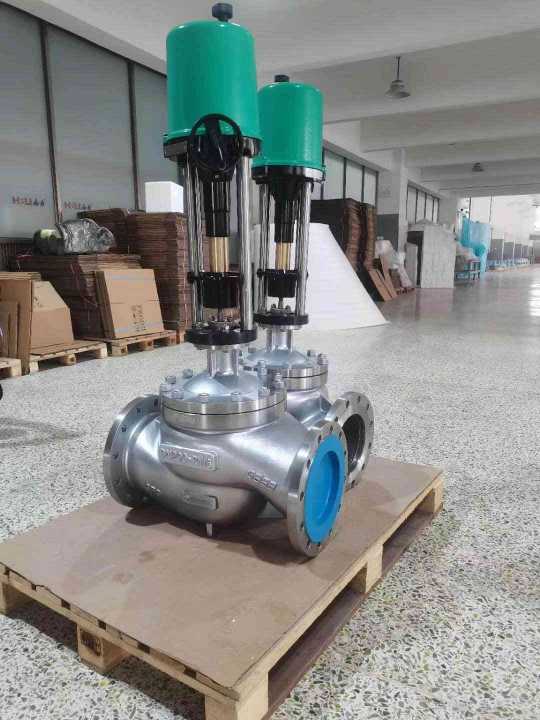
Design and Structure of Electric Single Seat Regulating Valve The electric single seat regulating valve consists of several key components: the valve body, valve seat, valve plug (or stem), electric actuator, and a feedback or control system. The term “single seat” refers to the fact that the valve has one seating surface, which is where the valve plug or disc rests to close or regulate the flow. The electric actuator, powered by electricity, provides the force needed to adjust the position of the valve plug, thereby controlling the flow of media. The structure of these valves is designed to ensure minimal leakage, high accuracy, and reliability, even in demanding industrial conditions. The electric actuator typically receives a control signal (such as 4-20 mA or a digital signal) and converts it into mechanical motion to move the valve stem, thereby adjusting the valve opening.