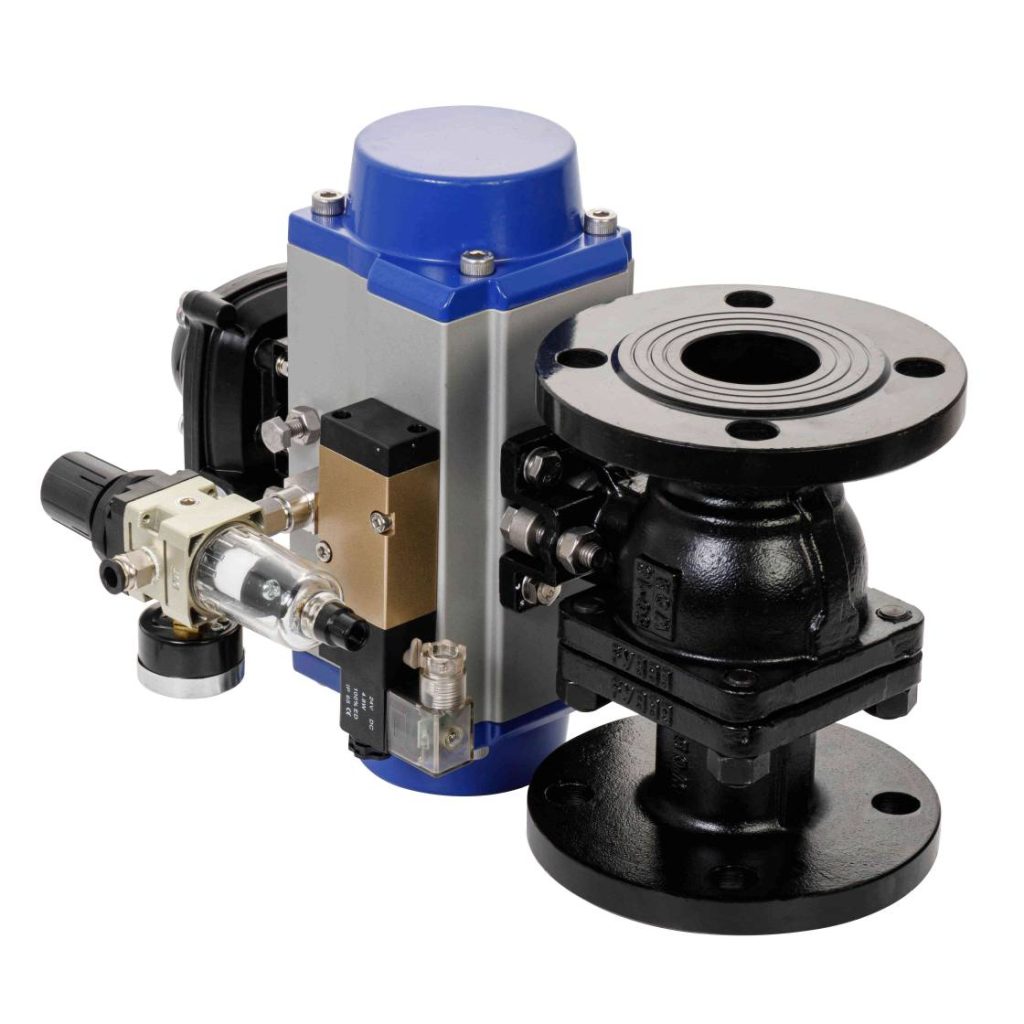
In the ever-evolving industrial landscape, the need for reliable and efficient fluid control systems has grown significantly. One such essential component in many industries is the pneumatic ball valve, which plays a crucial role in regulating the flow of fluids and gases. Pneumatic ball valves are widely used across various sectors due to their fast response times, durability, and ease of automation. However, selecting the right pneumatic ball valve manufacturer can be a challenging task. This article delves into the critical aspects of pneumatic ball valve manufacturing, highlighting factors to consider when choosing a manufacturer and the key benefits these valves bring to the table.
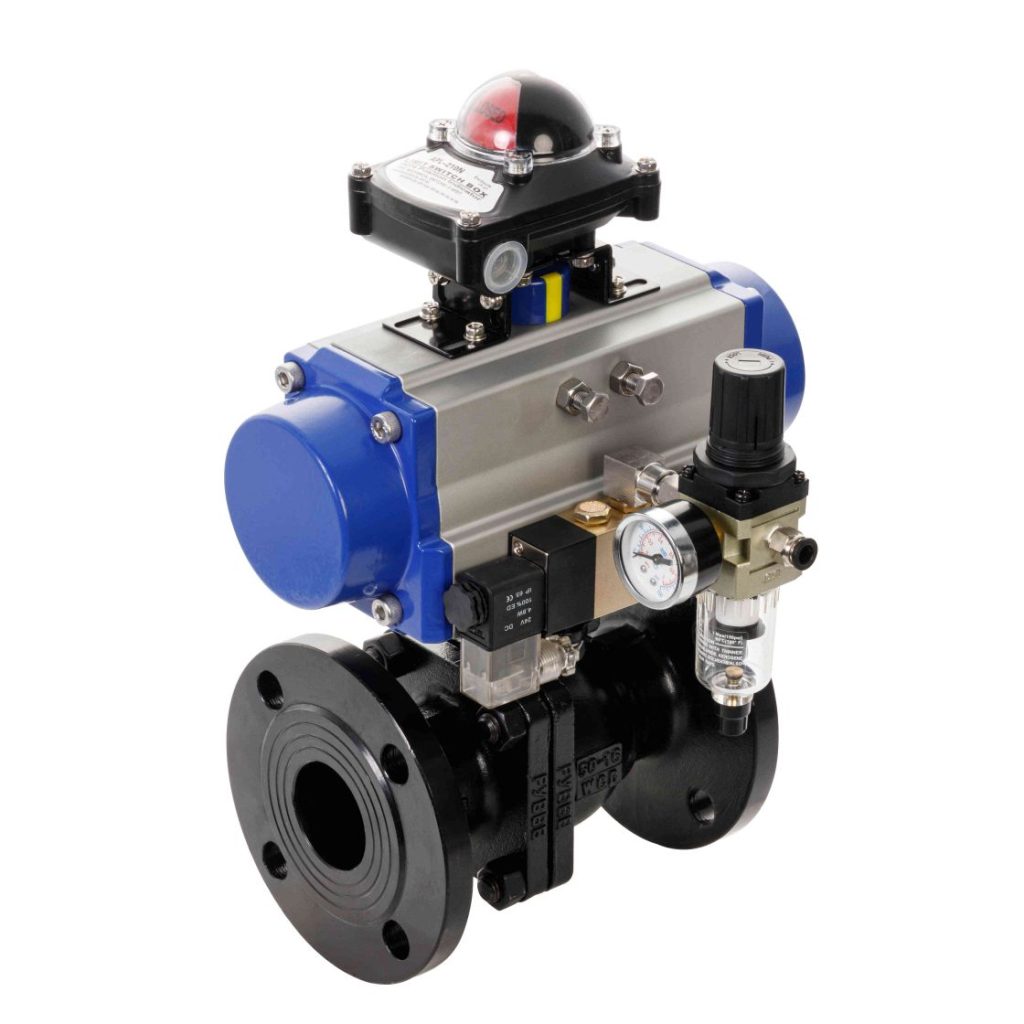
What is a Pneumatic Ball Valve?
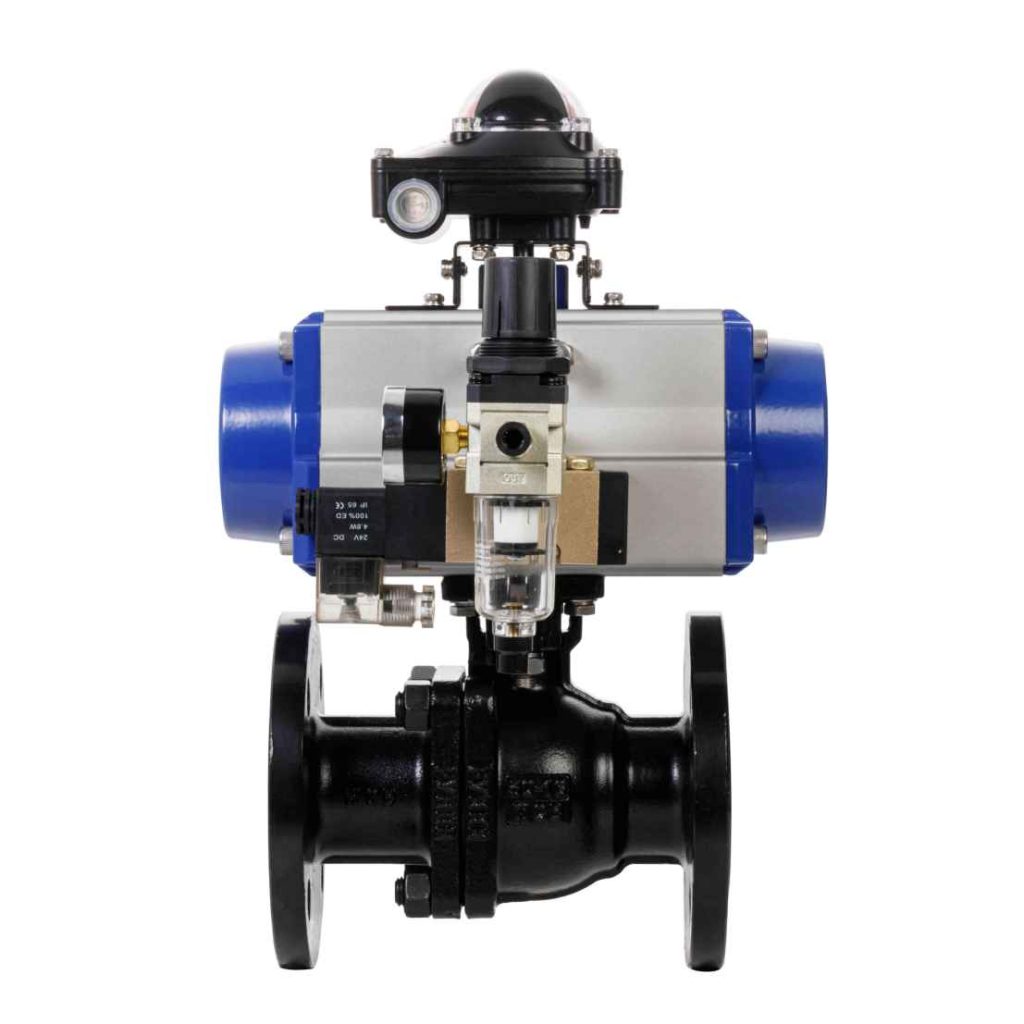
A pneumatic ball valve is a type of valve that uses air pressure to control the movement of a spherical ball inside the valve body. The ball features a hole in the center that allows fluid or gas to flow through when the valve is open. When the valve is closed, the ball rotates to block the flow, providing a quick and efficient shutoff mechanism. Pneumatic ball valves are commonly used in industries that require high-speed flow control, such as chemical processing, oil and gas, water treatment, and HVAC systems. The Role of a Pneumatic Ball Valve Manufacturer A pneumatic ball valve manufacturer designs and produces these valves, ensuring they meet the required standards for quality, durability, and performance. These manufacturers supply a wide range of pneumatic actuators and ball valves, each tailored to specific applications. By providing different valve sizes, pressure ratings, and actuator types, they allow businesses to select valves that suit their unique operational requirements.