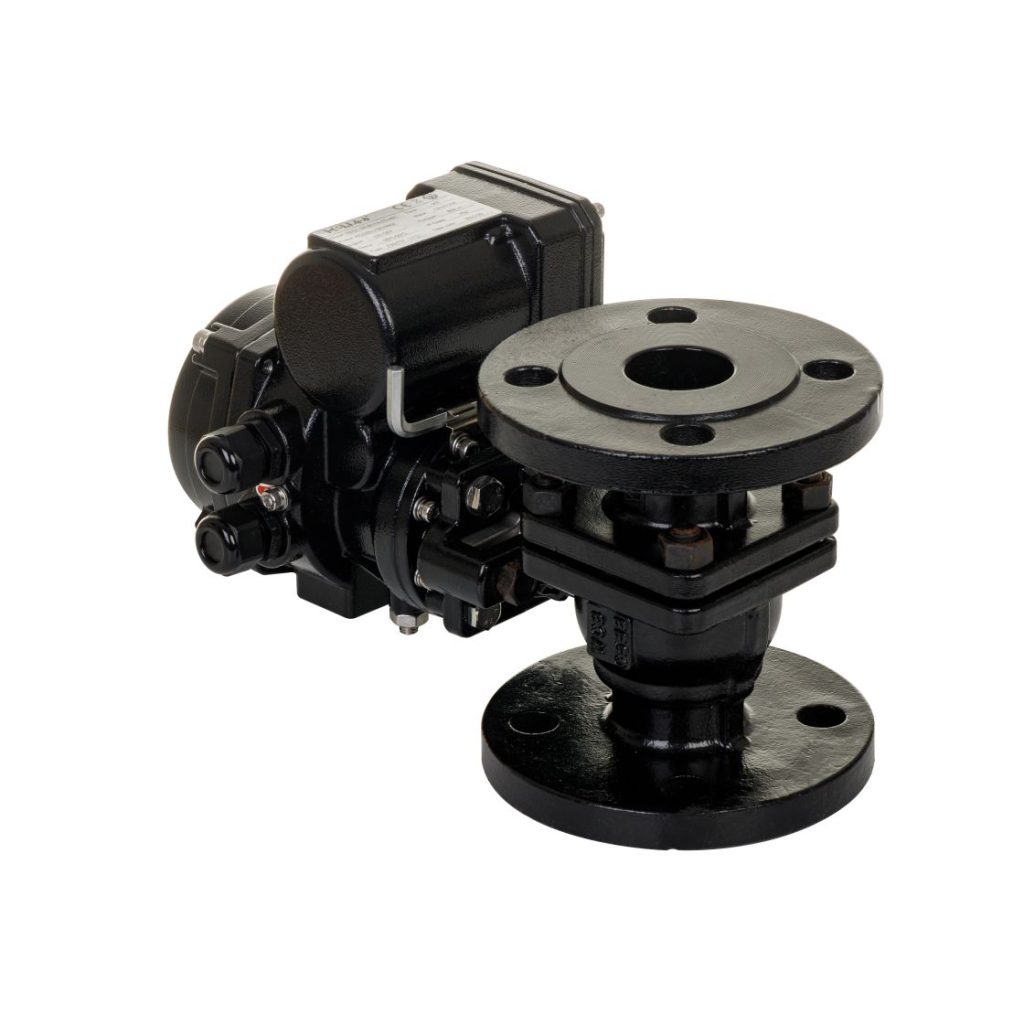
Hydrogen energy is increasingly recognized as a pivotal player in the transition towards sustainable and renewable energy systems. As industries and governments strive to reduce greenhouse gas emissions, hydrogen emerges as a clean fuel alternative with vast potential. Essential to the infrastructure required for hydrogen production, storage, and transportation are components such as valves. Among these, the hydrogen energy electric flange ball valve stands out for its innovation and efficiency. This article explores the features, advantages, and applications of hydrogen energy electric flange ball valves.
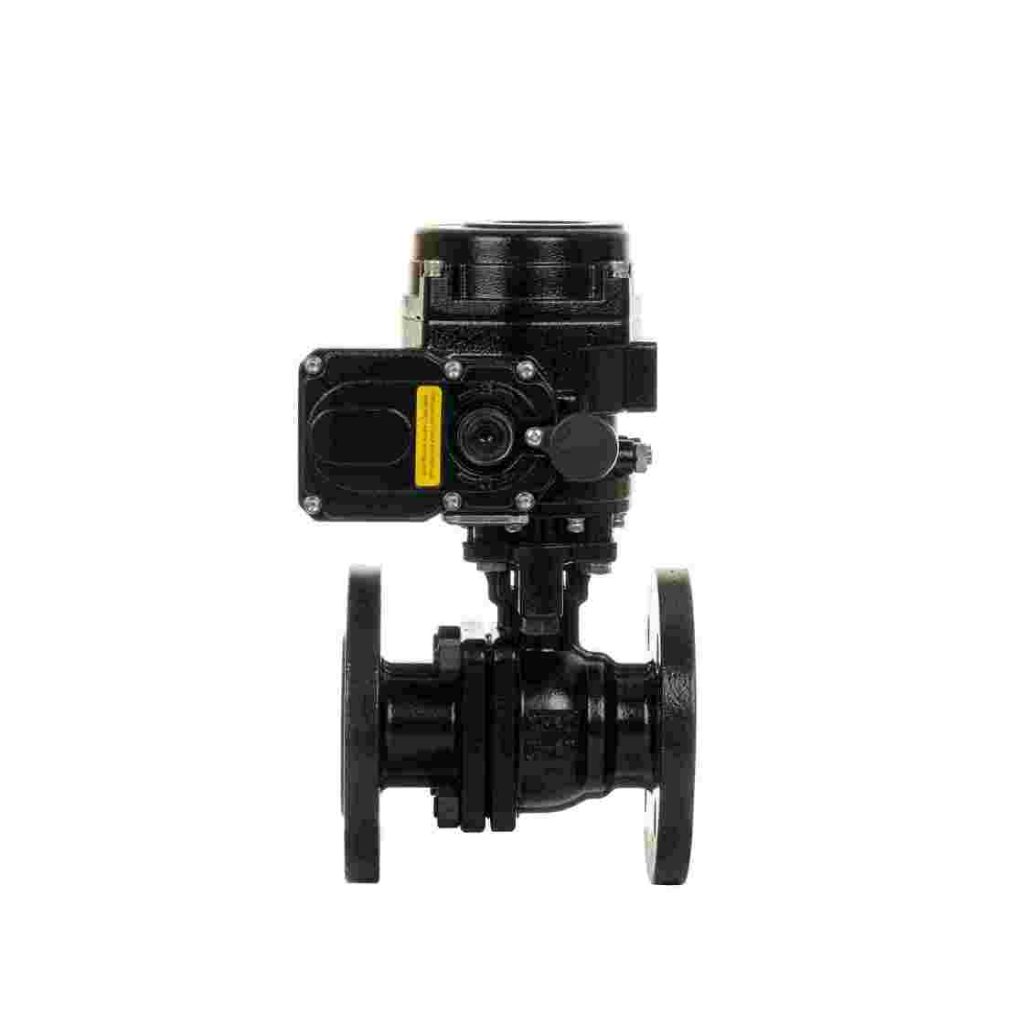
Understanding Hydrogen Energy Electric Flange Ball Valves
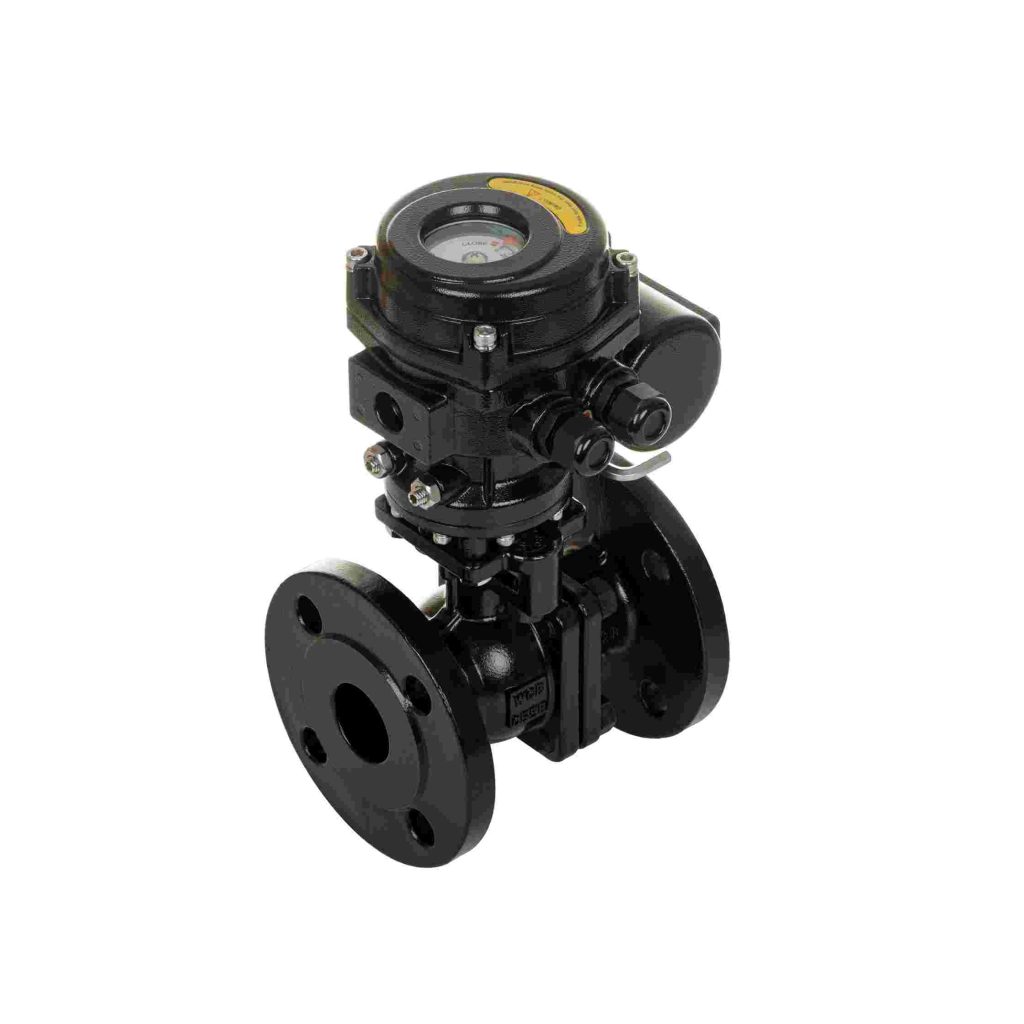
A hydrogen energy electric flange ball valve is a specialized type of valve designed for controlling the flow of hydrogen gas within industrial systems. This valve combines the functionality of a ball valve—offering excellent seal capabilities and low flow resistance—with electric actuation that enhances automation and operational efficiency. The flange design allows for seamless integration into piping systems, ensuring a secure connection while providing ease of maintenance. These valves are typically constructed from materials that are resistant to hydrogen’s unique properties, featuring high strength and corrosion resistance. Common materials used in their fabrication include stainless steel and other alloys. The electric actuation mechanism ensures precise control over flow rates and operational settings, making them ideal for various applications in hydrogen systems.