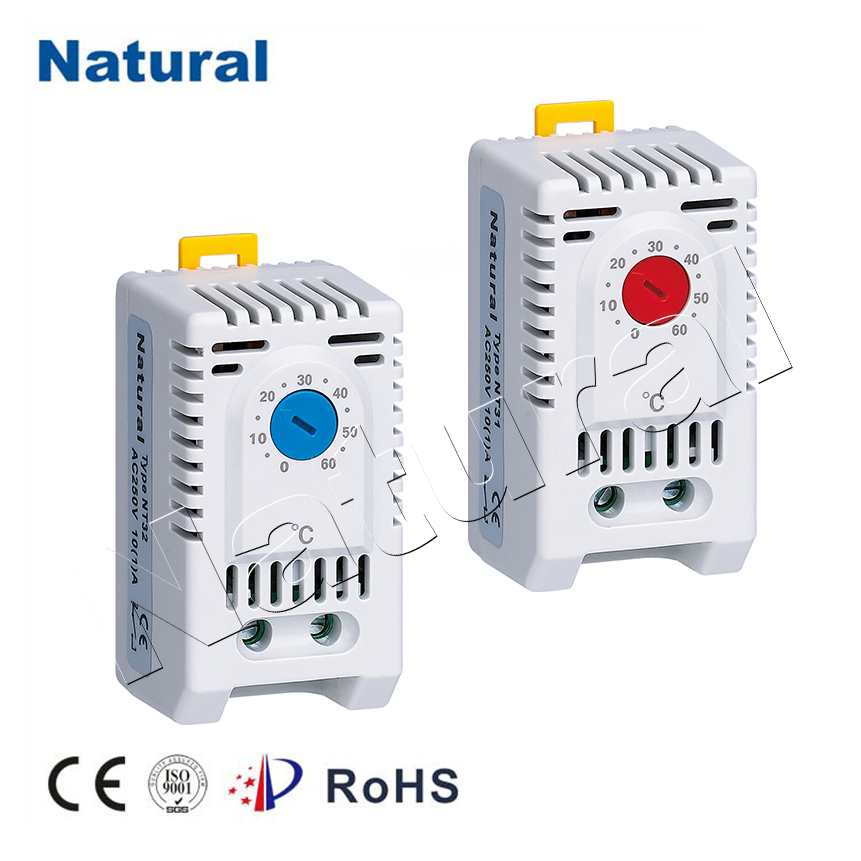
A DIN thermostat is an essential component in many industrial and residential systems. It plays a vital role in maintaining temperature control, ensuring that machinery and appliances operate efficiently within their desired thermal parameters. The term “DIN” refers to the Deutsches Institut für Normung (German Institute for Standardization), a body responsible for setting the standards of various components and systems. When we talk about a DIN thermostat, we are referring to thermostats that conform to these standardized regulations, providing both reliability and safety.
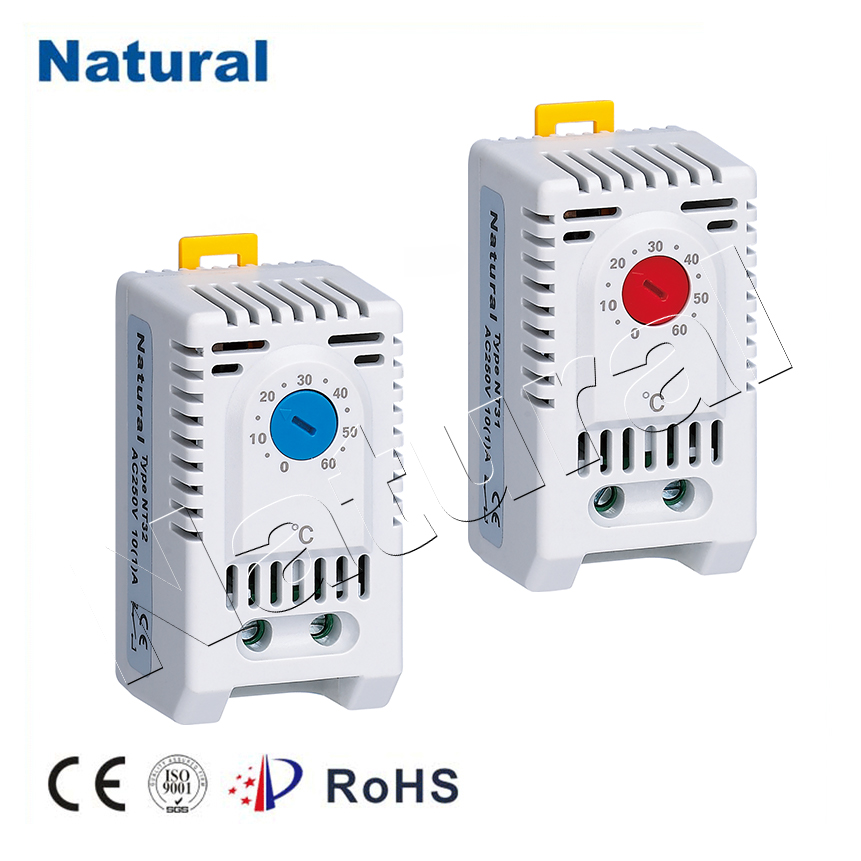
What is a DIN Thermostat?
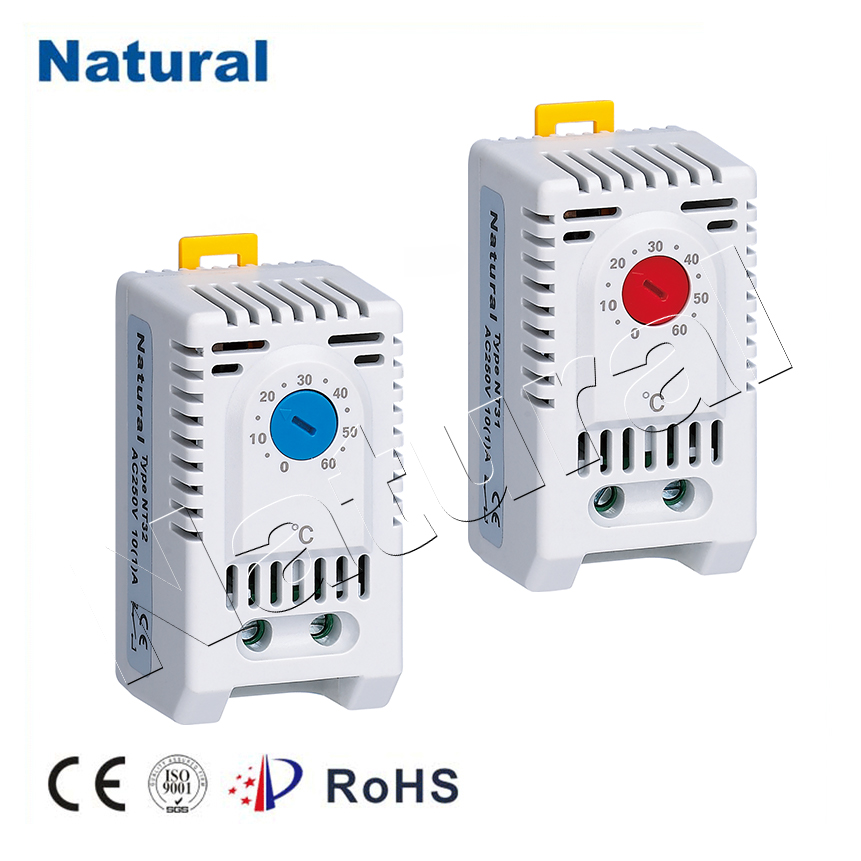
A DIN thermostat is designed to regulate the temperature of a system by activating or deactivating heating or cooling devices based on pre-set temperature thresholds. It can be found in various settings, such as industrial equipment, HVAC systems, heating devices, and even household appliances like refrigerators and ovens. DIN thermostats are generally characterized by their compact design, precise temperature control, and adherence to German engineering standards. The “DIN” designation signifies that the thermostat adheres to specific standards set by the German regulatory body. These standards ensure that the thermostat meets consistent performance, safety, and reliability benchmarks, making them a preferred choice for many industries.