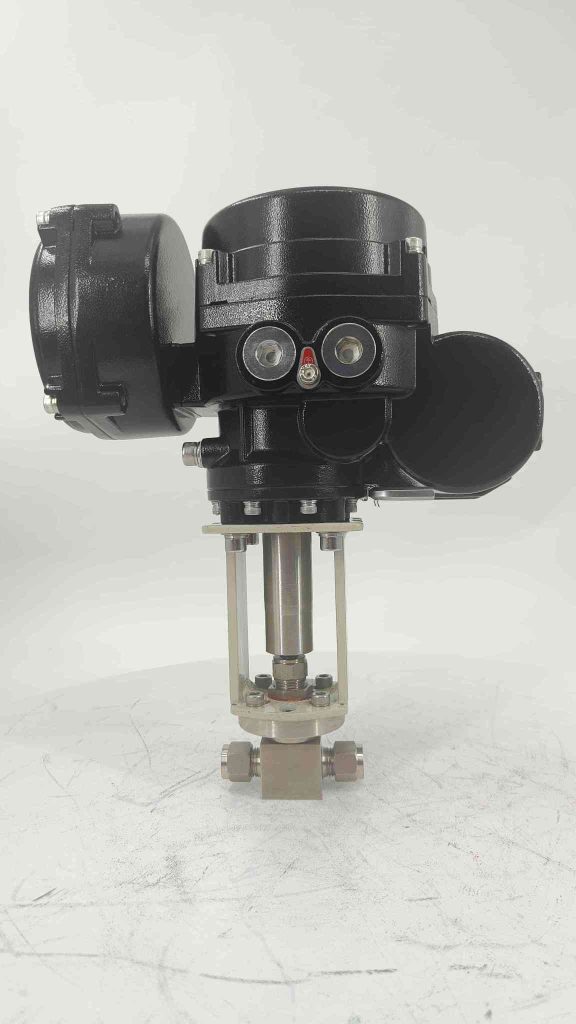
Lithium batteries have become the cornerstone of modern energy storage, powering everything from smartphones to electric vehicles (EVs) and renewable energy systems. With their high energy density and long lifespan, they offer impressive performance. However, they also come with certain safety concerns, particularly when it comes to their risk of overheating, overcharging, or experiencing internal pressure build-up. This is where the Lithium Battery Valve plays a crucial role in maintaining the safety and longevity of these power sources.
What is a Lithium Battery Valve?
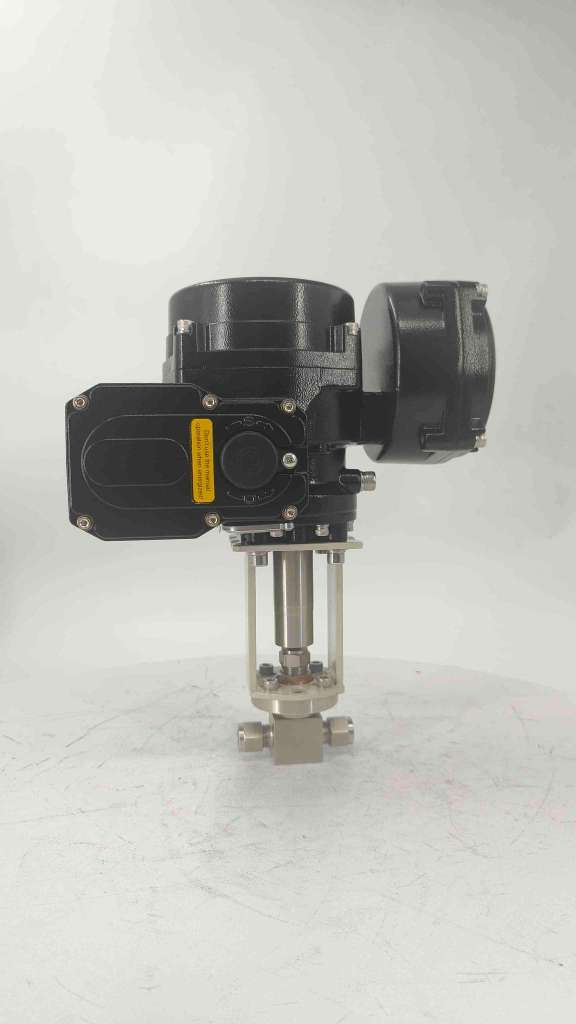
A lithium battery valve is a safety mechanism embedded within lithium-ion (Li-ion) batteries to protect them from dangerous internal pressure. The valve acts as a pressure relief valve, designed to release gas or excess pressure when certain thresholds are exceeded. This is important because when a battery encounters issues such as overcharging, overheating, or internal short circuits, it can lead to increased internal pressure. If not addressed, this pressure could potentially cause the battery casing to rupture, leading to fire or even explosion. The valve ensures that such catastrophic events are minimized by releasing the excess pressure in a controlled manner.