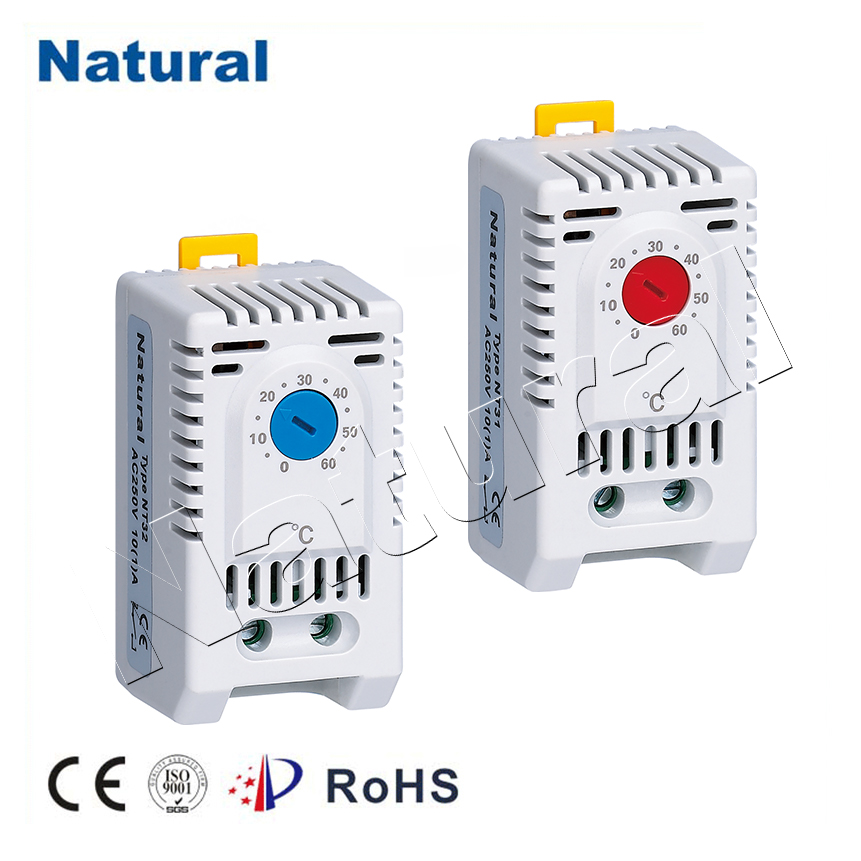
A DIN thermostat is an essential component in temperature regulation systems across various industries. Compliant with the Deutsches Institut für Normung (DIN) standards, DIN thermostats are designed to provide precise and reliable temperature control in industrial, commercial, and residential applications. With the increasing need for energy efficiency and automation, these thermostats have become a cornerstone in creating stable environments for equipment and processes that are sensitive to temperature fluctuations.
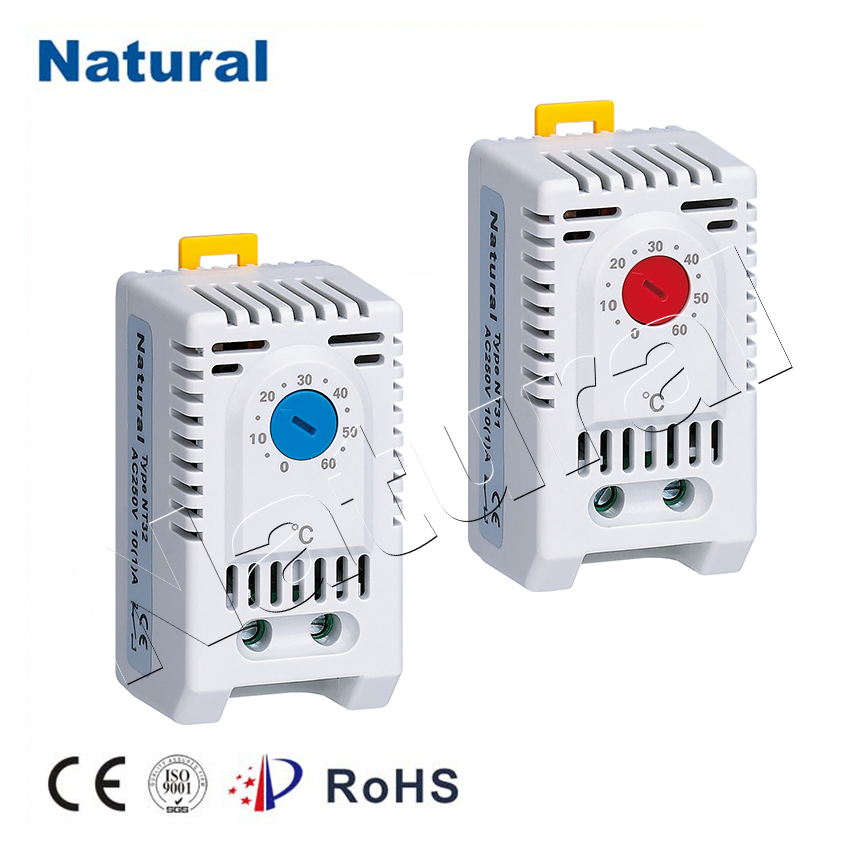
What is a DIN Thermostat?
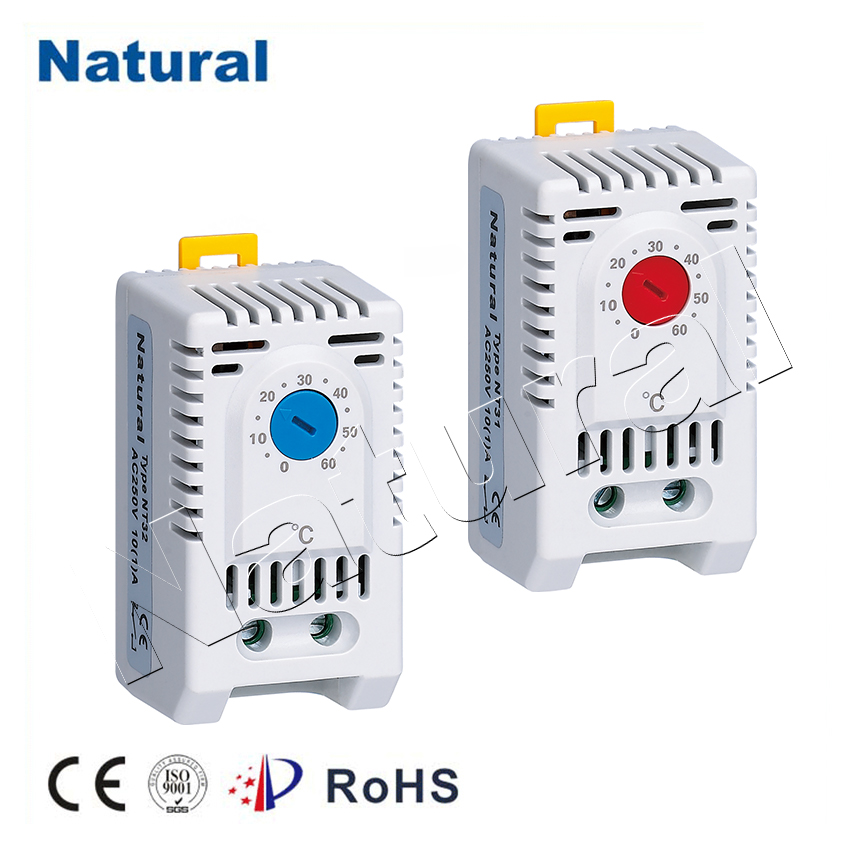
A DIN thermostat refers to a temperature control device that adheres to the standards set by the German Institute for Standardization (DIN). These thermostats are widely used for their reliability and standardized design, making them compatible with a variety of systems and equipment. The DIN standard ensures that these thermostats provide accurate temperature measurements and control, which is crucial for maintaining the optimal performance of machinery, processes, and systems. Key Features of DIN Thermostats Precision Temperature Control One of the primary advantages of a DIN thermostat is its ability to offer precise and consistent temperature regulation. In industrial environments, where temperature fluctuations can lead to production inefficiencies or even equipment damage, having a thermostat that can maintain a stable temperature is critical. Whether used in heating, cooling, or ventilation systems, a DIN thermostat ensures that the desired temperature is maintained with minimal deviation.