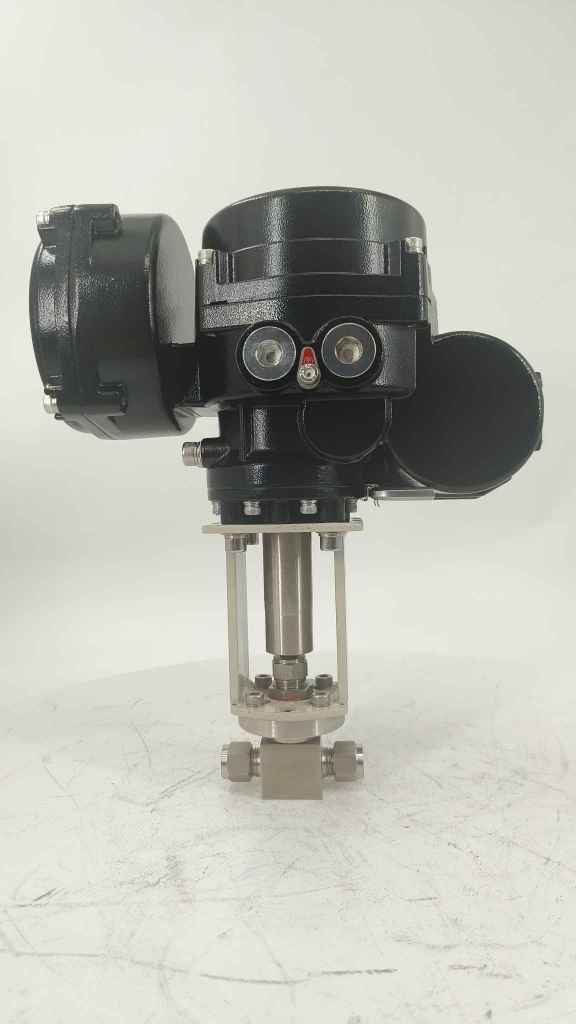
In recent years, the global push towards sustainable energy solutions has led to the exponential growth of various technologies, primarily focusing on hydrogen energy and lithium batteries. These two energy systems are increasingly being recognized not only for their individual capabilities but also for their potential synergies. At the heart of these systems lies a component that often goes unnoticed yet plays a critical role in ensuring efficiency, safety, and performance: the Hydrogen Energy Lithium Battery Valve.
The Importance of Hydrogen Energy and Lithium Batteries

Before delving into the specifics of the valve, it is crucial to understand the context in which it operates. Hydrogen energy has gained traction as a clean alternative to fossil fuels. It can be used in fuel cells to generate electricity, emitting only water as a byproduct. The production methods, primarily electrolysis, often rely on renewable energy sources, thus making hydrogen a cornerstone in the move toward a carbon-neutral future. On the other hand, lithium batteries, known for their high energy density and longevity, have found extensive applications in consumer electronics, electric vehicles, and large-scale energy storage systems. These batteries are not only pivotal in reducing reliance on fossil fuels but also serve as effective temporary energy storage solutions that can complement renewable energy sources.