The WCB Electric two-seat regulating valve represents a significant advancement in fluid control technology, meticulously designed to meet the demands of various industrial applications. Offering exceptional precision and performance, this valve has become a staple in sectors that require rigorous flow control. In this article, we will delve into the fundamental aspects of the WCB Electric two-seat regulating valve, including its structure, working mechanism, benefits, applications, and maintenance considerations.
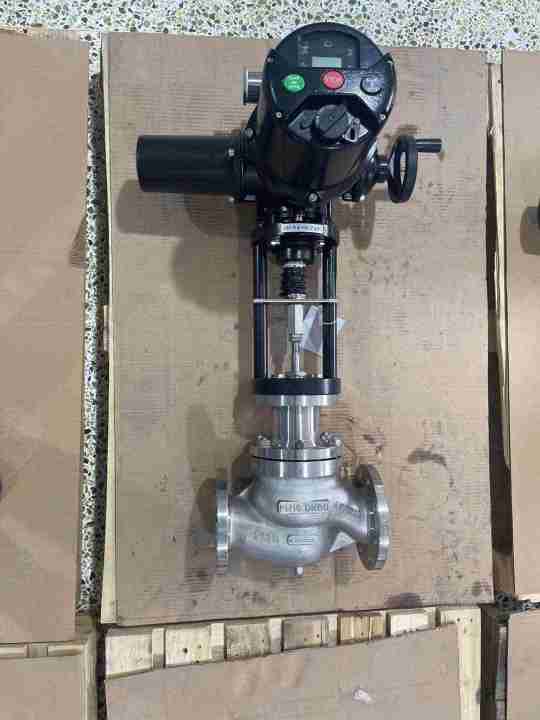
Structure and Working Principle At the core of the WCB Electric two-seat regulating valve is its innovative two-seat design. Unlike traditional single-seat valves, the two-seat configuration allows for greater flow modulation. The valve typically comprises a valve body, two seats, a stem, and an electric actuator. The electric actuator plays a pivotal role, receiving control signals to adjust the valve’s position, effectively altering the flow path. The operation of the valve is straightforward yet sophisticated. When an electric signal is transmitted to the actuator, the valve stem moves either upwards or downwards, depending on whether the flow needs to be increased or decreased. This movement changes the aperture size of the two seats, allowing for precise control over the fluid flow rate. This configuration not only enhances efficiency but also reduces turbulence, ensuring a smoother flow of fluids through the system.