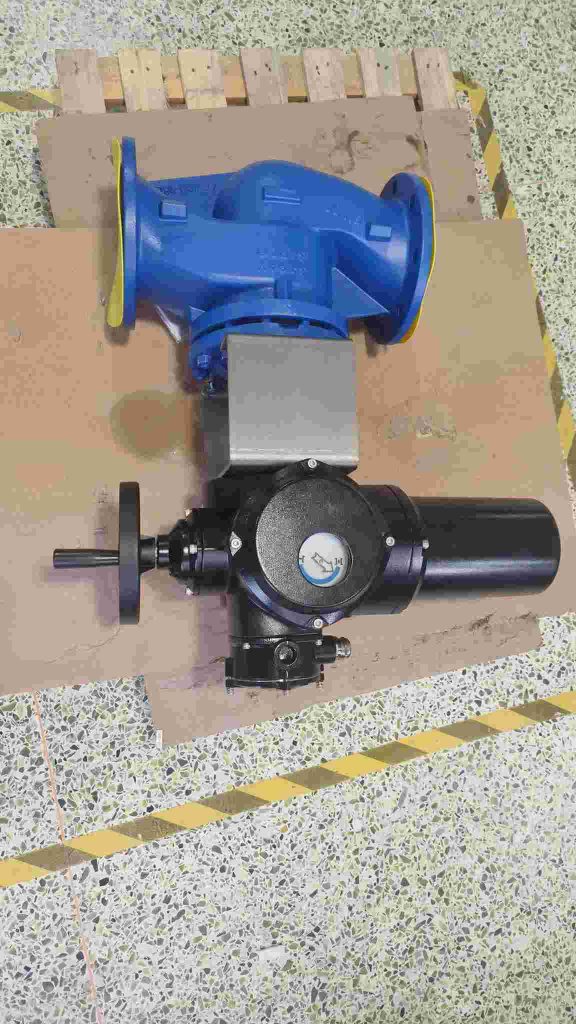
The WCB Electric Bellows Stop Valve is a crucial component in modern fluid control systems, commonly used in industries like oil and gas, water treatment, chemical processing, and HVAC. This valve is designed to regulate the flow of fluids in piping systems, providing reliable performance and exceptional durability. In this article, we will explore the characteristics, advantages, and applications of the WCB Electric Bellows Stop Valve, as well as why it is an essential part of many industrial setups.
What is a WCB Electric Bellows Stop Valve?
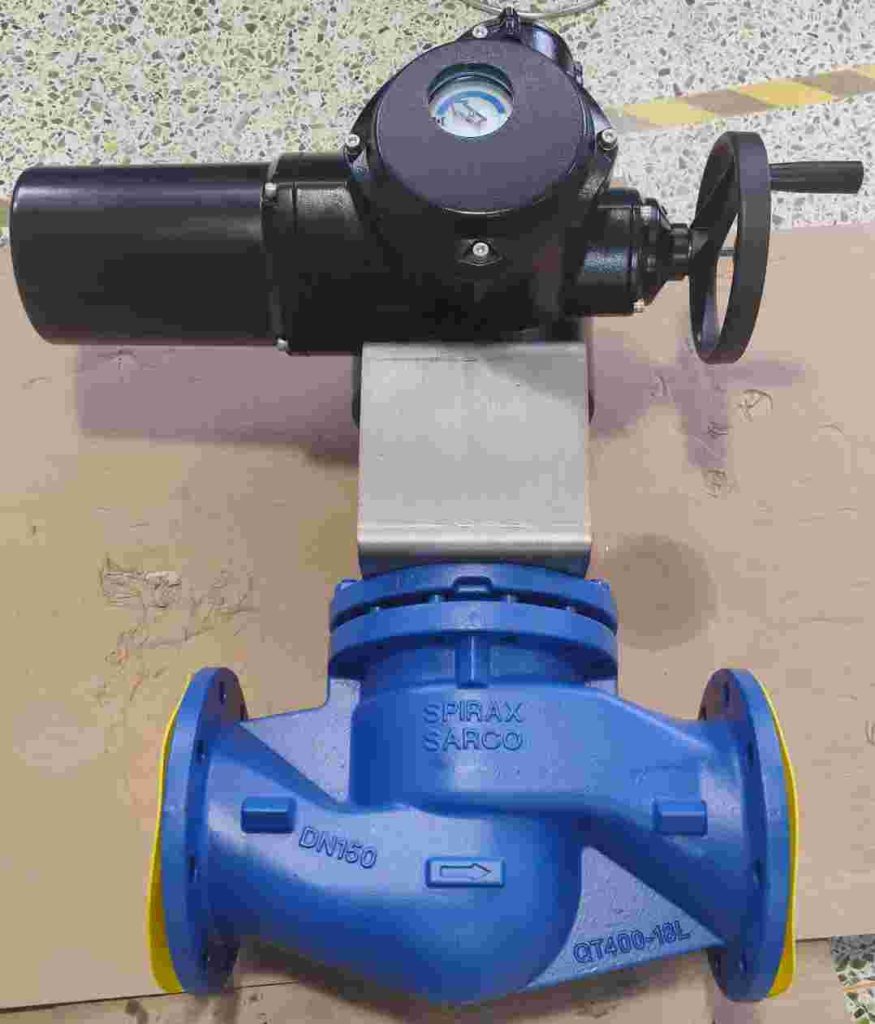
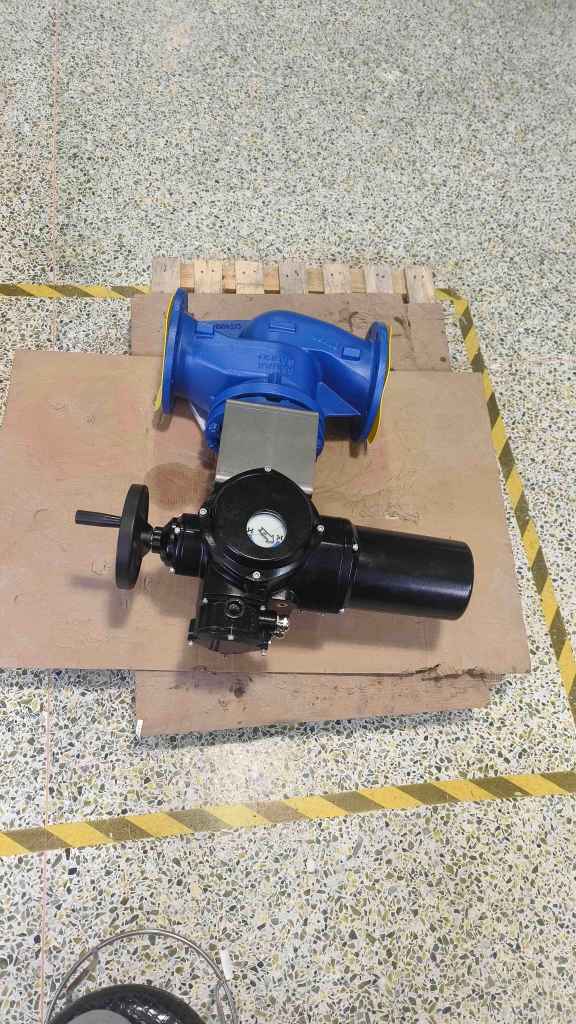
The WCB Electric Bellows Stop Valve is a type of valve that uses an electric actuator to control the opening and closing of the valve. It is equipped with bellows—flexible, hermetically sealed metallic or non-metallic components—that prevent leakage and ensure a long lifespan of the valve in challenging environments. The “WCB” designation typically refers to the material of the valve body, which is carbon steel (WCB stands for “Wrought Carbon Steel,” a common material used in valve manufacturing due to its strength and resistance to wear and corrosion). The electric actuator in the WCB Electric Bellows Stop Valve allows for precise and remote control of fluid flow, making it particularly useful in automated systems where constant monitoring and adjustment are required. The electric actuator can be connected to a control system, allowing operators to manage the valve remotely or even integrate it into a fully automated fluid control system.