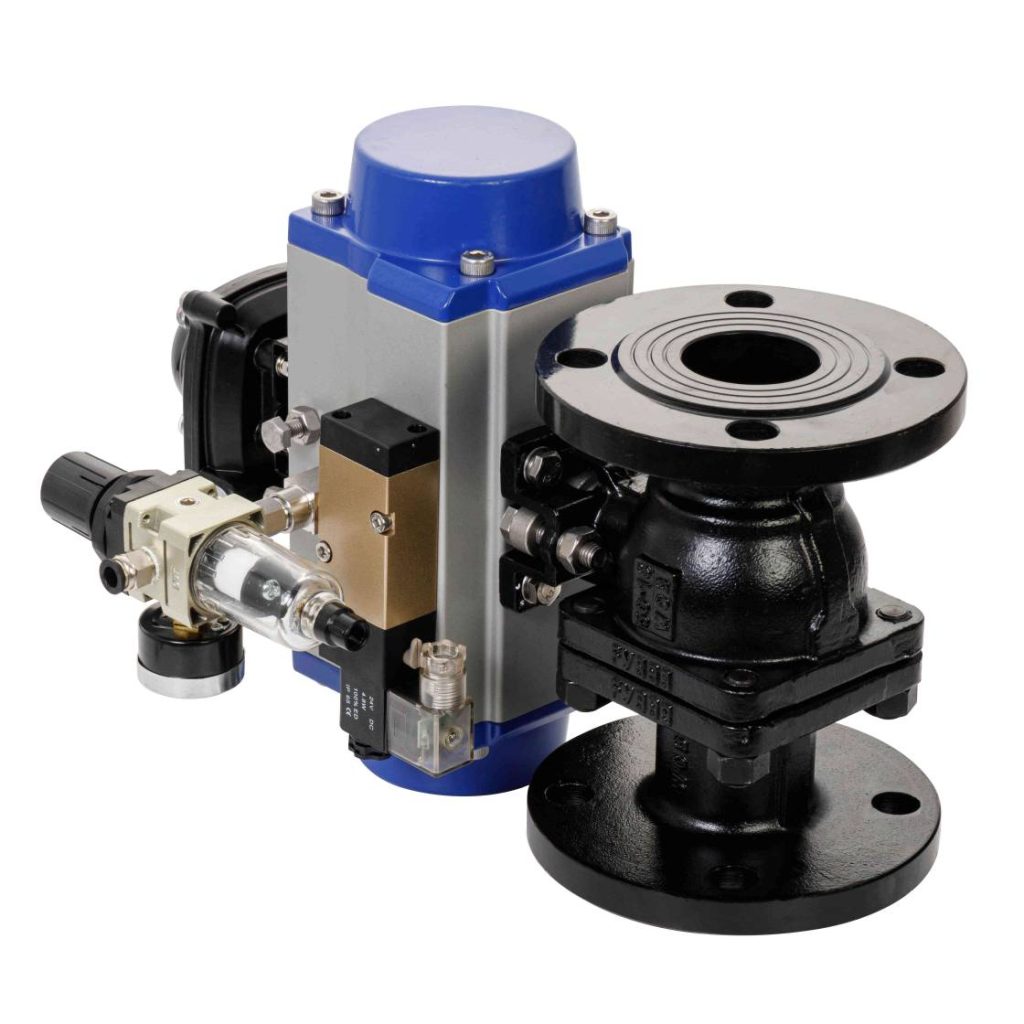
Pneumatic ball valves are widely utilized in various industries due to their versatility, efficiency, and reliability in controlling fluid flow. As the name suggests, these valves are actuated by compressed air and play a crucial role in regulating the flow of gases or liquids through pipes and systems. They are specifically designed to provide easy, precise, and cost-effective solutions for flow control applications. In this article, we will explore the components, working principles, advantages, and applications of pneumatic ball valves.
What is a Pneumatic Ball Valve?
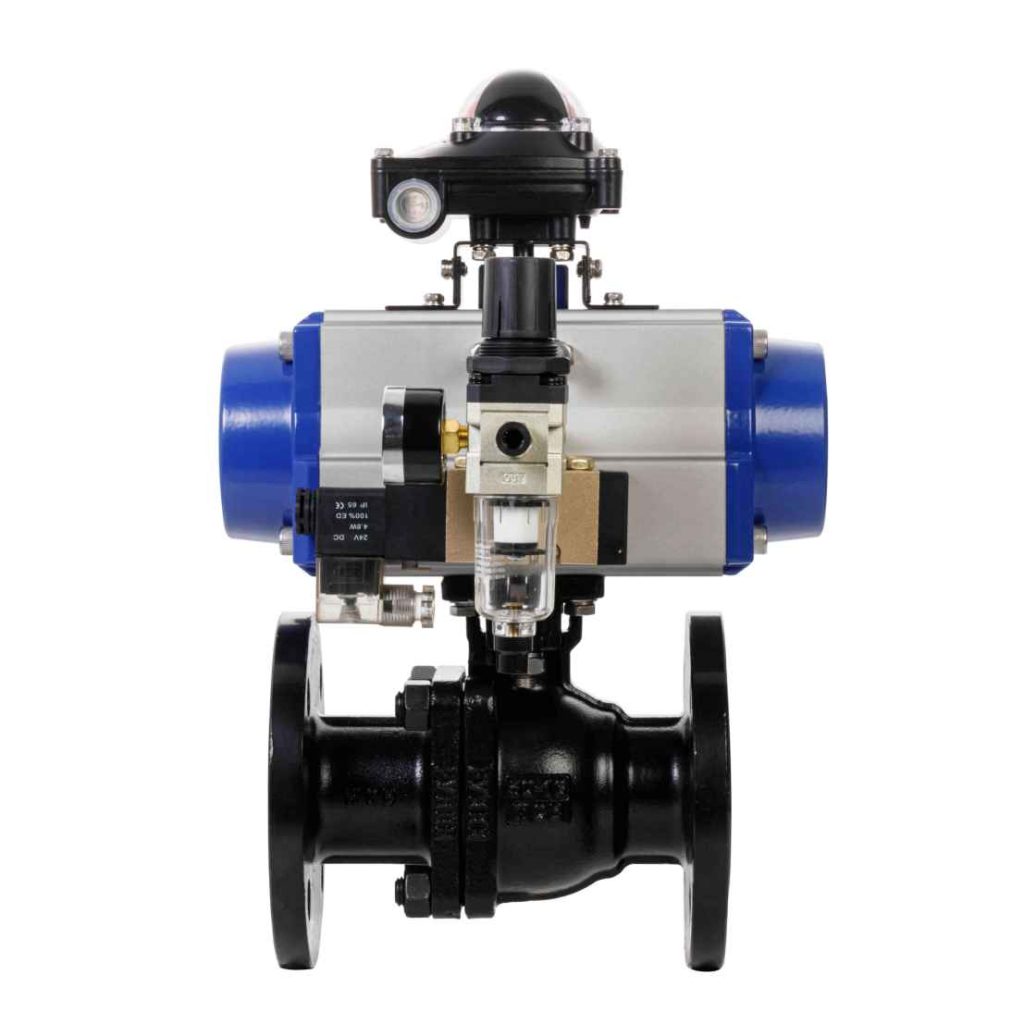
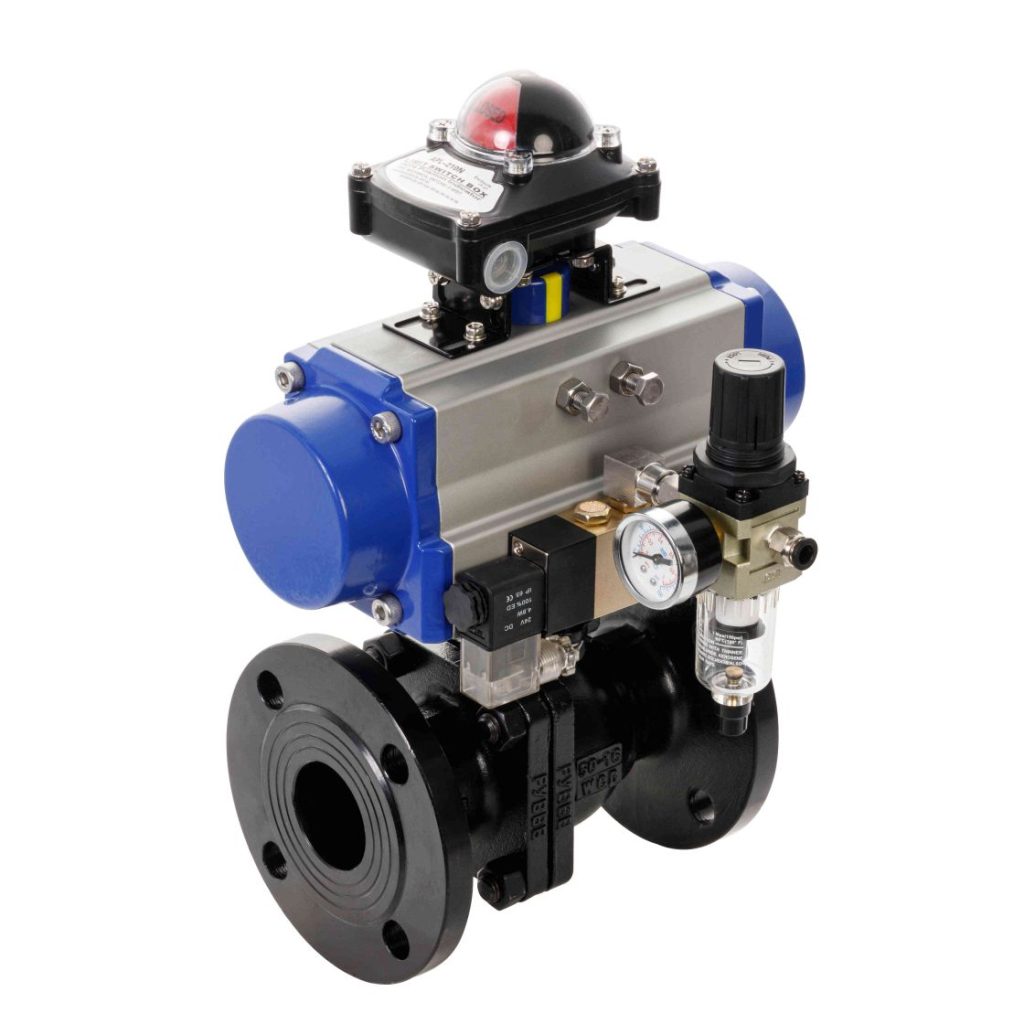
A pneumatic ball valve is a type of valve that uses compressed air to operate a ball inside the valve body. The ball has a hole or port through its center, which aligns with the flow of the medium when the valve is open and blocks the flow when turned to the closed position. The pneumatic actuator, usually powered by a pneumatic system, controls the rotation of the ball. The actuator receives air pressure, which causes the valve to move between fully open, fully closed, or intermediate positions, depending on the requirements of the system. These valves are primarily used in automated systems, where manual valve operation would be inefficient or impractical. They are particularly beneficial in situations where quick and frequent valve operation is required, such as in pipelines, chemical processing plants, water treatment facilities, and power generation industries.