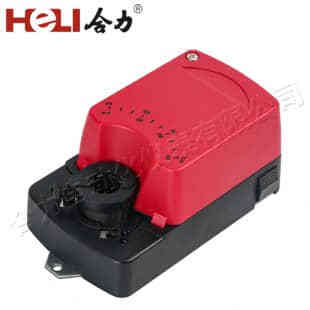
Damper actuators play a crucial role in modern heating, ventilation, and air conditioning (HVAC) systems. They are devices that control the flow of air within ductwork and can significantly affect energy efficiency and indoor air quality. This article explores the functionality, types, and various applications of damper actuators, highlighting their importance in creating comfortable and efficient environments.
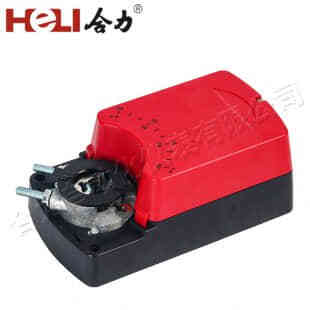
What is a Damper Actuator?
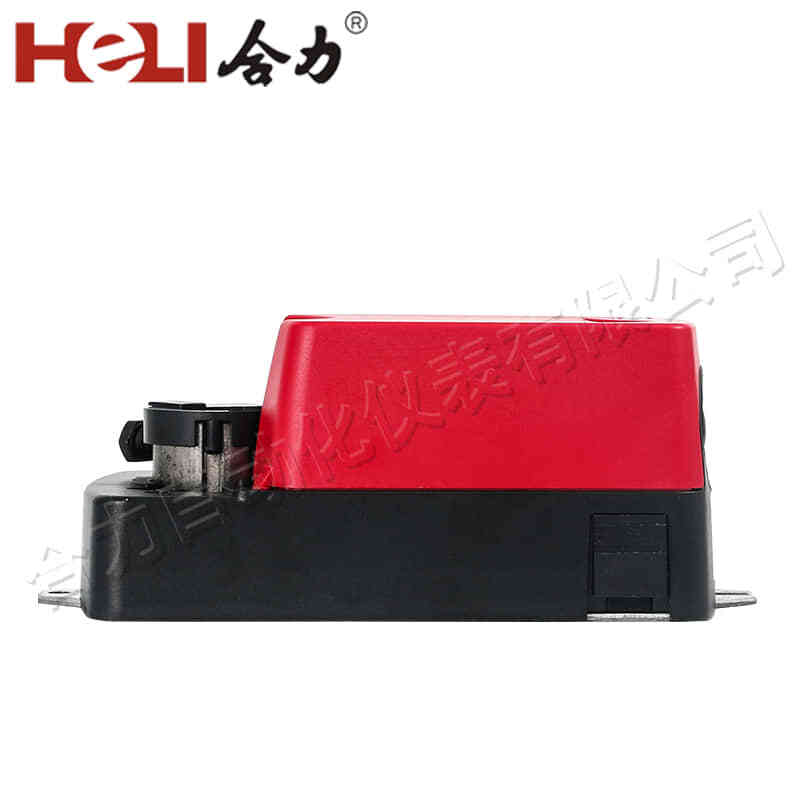
A damper actuator is a mechanical device that opens or closes dampers, which are used to regulate airflow in HVAC systems. Dampers can be found in air ducts, vents, and other components of HVAC systems. The actuator translates control signals from a building management system (BMS) or a thermostat into physical movement, either opening or closing the damper as needed. The primary function of a damper actuator is to modulate the flow of air, ensuring that spaces receive the correct amount of heating or cooling. By adjusting the damper position, the actuator helps maintain optimal temperature and humidity levels within a building, improving comfort and energy efficiency.