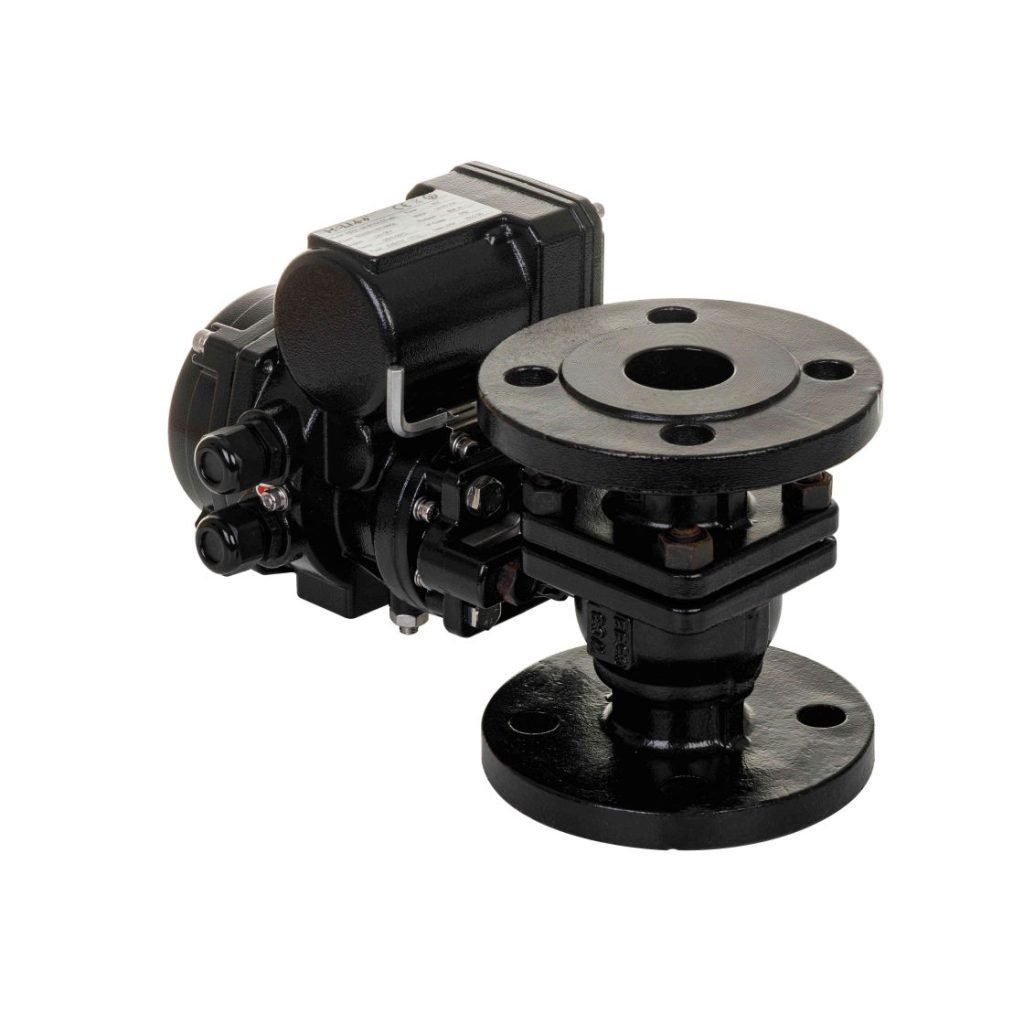
In the realm of fluid control systems, the stainless steel electric flange ball valve has emerged as a quintessential component that combines durability, efficiency, and versatility. This innovative valve type predominantly finds its application across various industries, including oil and gas, chemical manufacturing, water treatment, and HVAC systems. Its robust design, powered by electric actuators, allows for seamless operation and high performance, making it an indispensable asset for process automation.
Structure and Components
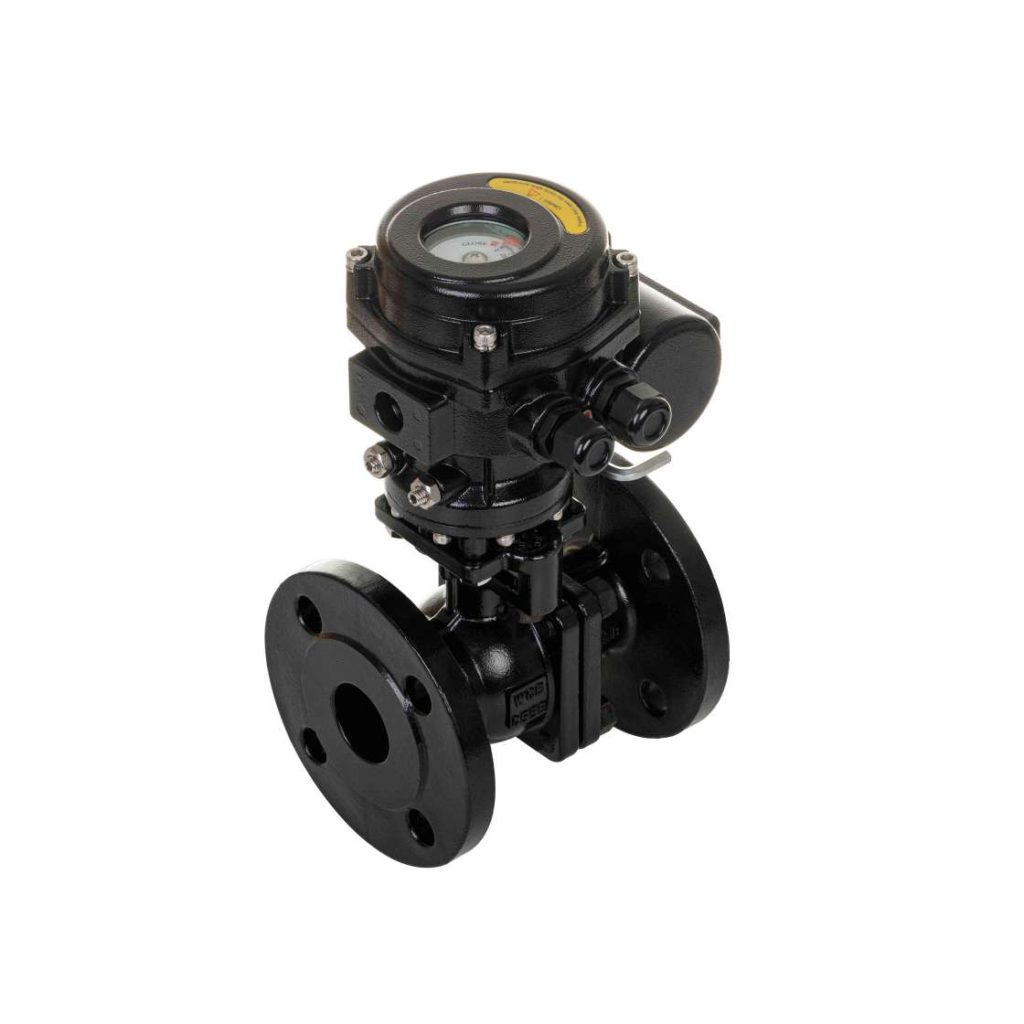
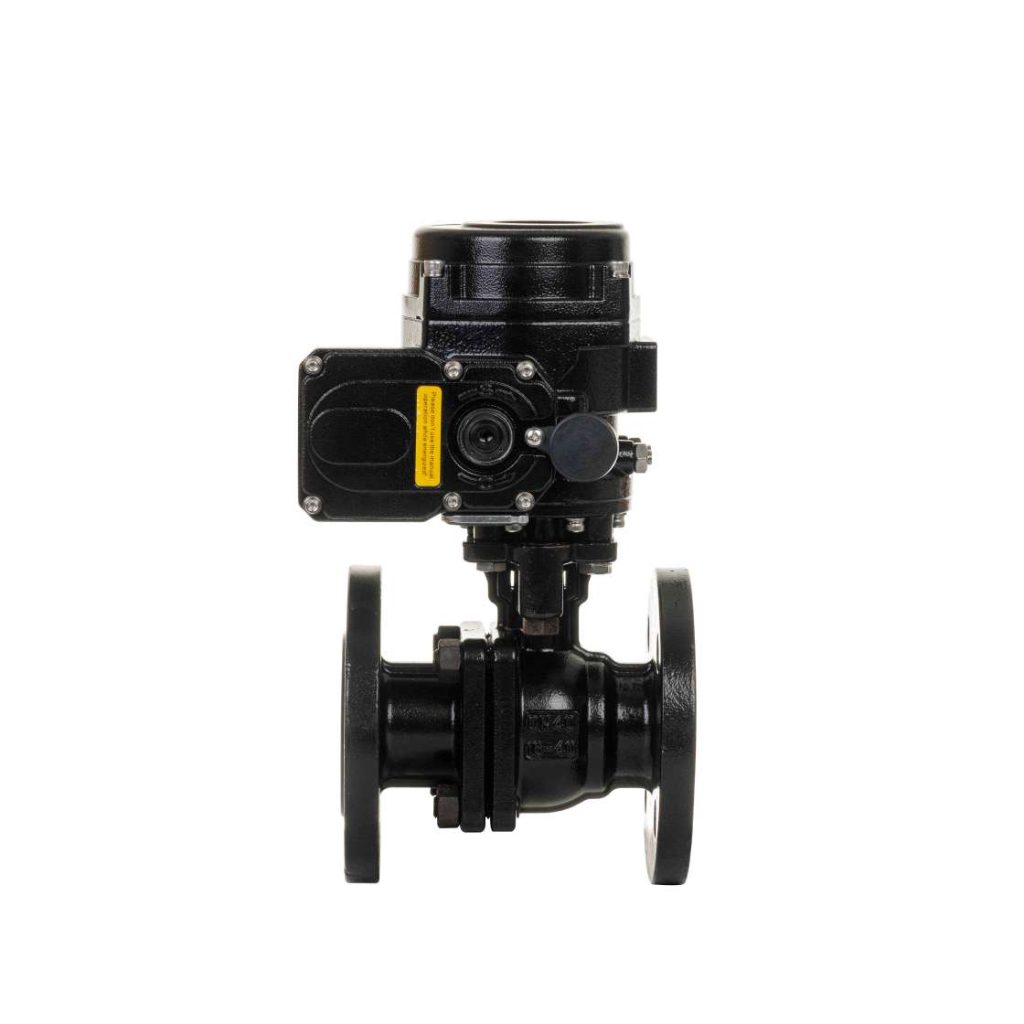
The stainless steel electric flange ball valve primarily consists of three main components: the valve body, the ball, and the electric actuator. The valve body is typically made from high-grade stainless steel, commonly 304 or 316L, which ensures excellent resistance to corrosion and prolonged lifespan even in hostile environments. The choice of 316L stainless steel is particularly relevant for applications involving aggressive chemicals, due to its increased nickel and molybdenum content, enhancing its overall durability. The core mechanism of the valve is a spherical ball with a central passage. As the ball rotates, it either permits or obstructs fluid flow, allowing for precise control of the media being transported. The electric actuator, mounted on the valve, transforms electrical signals into mechanical movement that effortlessly opens or closes the valve. This feature not only enhances operational efficiency but also significantly reduces manual labor and the potential for human error.