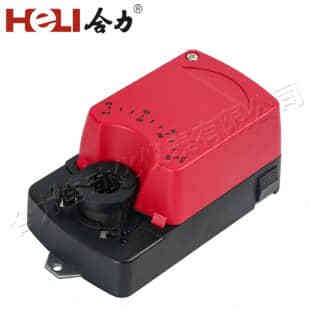
Damper actuators play a crucial role in modern industrial and commercial applications, particularly in controlling airflow, regulating pressure, and ensuring energy efficiency in ventilation, heating, and air-conditioning systems (HVAC). These devices are indispensable in managing the operation of dampers—mechanical components used to regulate the flow of air or gases in ducts, chimneys, and other systems. As industries increasingly prioritize automation, sustainability, and precision, the demand for high-quality, reliable damper actuators has surged. In this article, we will explore the role of damper actuator manufacturers, their products, and the innovations driving the industry forward.
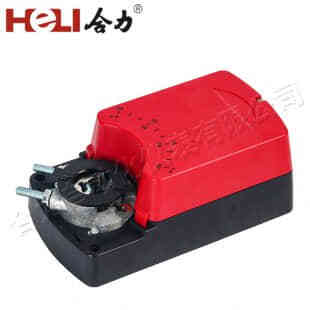
What is a Damper Actuator?
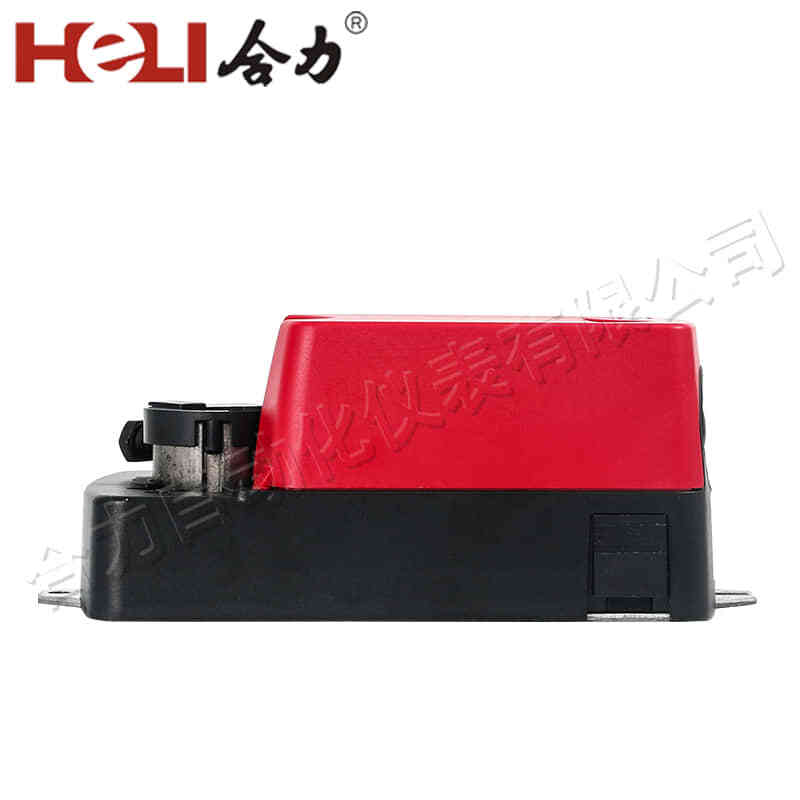
A damper actuator is a device used to open or close a damper, which is a valve or plate in an air or gas system. The actuator provides the necessary motion to move the damper to specific positions, ensuring the proper regulation of air or gas flow. This is crucial for maintaining the optimal performance of HVAC systems, industrial ventilation, combustion processes, and smoke extraction systems. Damper actuators can be electric, pneumatic, or manual. Electric actuators are commonly used in applications requiring precise control, while pneumatic actuators are often found in high-pressure environments. Manual actuators, on the other hand, are typically employed in smaller-scale or simpler systems.