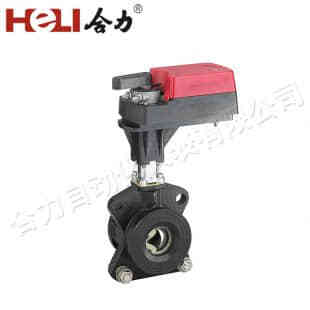
Damper actuators are essential components used in various industrial and HVAC (Heating, Ventilation, and Air Conditioning) systems to regulate the flow of air or gases through ducts or pipes. These devices control the position of dampers, which are mechanical plates or valves designed to open or close to manage airflow, pressure, temperature, and ventilation in buildings, factories, and plants. As the demand for efficient air management systems continues to grow, the role of damper actuator manufacturers becomes increasingly crucial. In this article, we explore the importance of damper actuators, the key players in the manufacturing industry, and the technological advancements driving this sector forward.
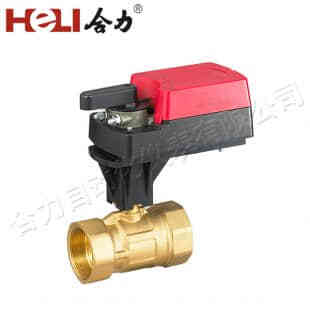
The Functionality of Damper Actuators
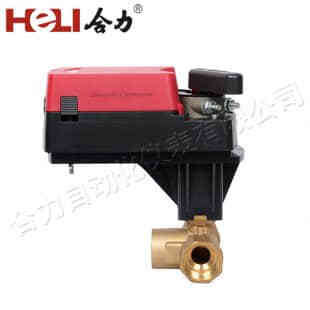
A damper actuator is an electromechanical device designed to adjust the position of a damper based on control signals received from a centralized control system. These actuators use either electric motors, pneumatic systems, or hydraulic systems to move the damper to a specified position, which can vary from fully open to fully closed. The actuator’s precise control of airflow ensures optimal system performance, enhances energy efficiency, and maintains consistent environmental conditions within a given space. Damper actuators are widely used in HVAC applications to ensure proper airflow in ventilation systems, air conditioning units, and heating systems. For example, in a large commercial building, dampers are used to control the amount of fresh air entering the building and regulate the temperature. Without effective damper actuators, HVAC systems would struggle to achieve the desired air distribution, leading to inefficiencies and discomfort.