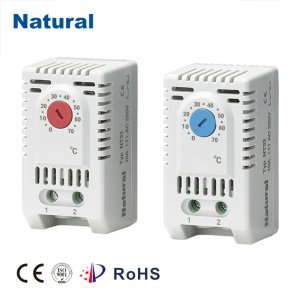
The adjustable mechanical thermostat is a time-tested solution for regulating temperature in various systems such as heating, ventilation, and air conditioning (HVAC). Despite the rise of digital and smart thermostats in the market, the adjustable mechanical thermostat continues to be a popular choice in many settings due to its reliability, simplicity, and affordability. This article explores the fundamental workings of the adjustable mechanical thermostat, its advantages, and its ideal applications.
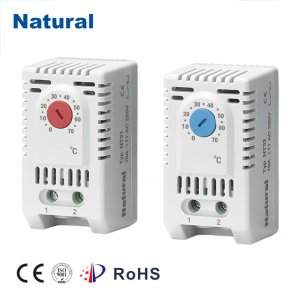
What is an Adjustable Mechanical Thermostat?
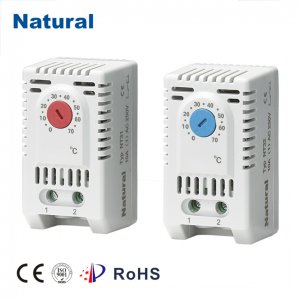
An adjustable mechanical thermostat is a temperature control device that uses mechanical parts to regulate the temperature of a system. It is called “adjustable” because users can set it to their desired temperature by turning a knob or dial. The most common form of temperature sensing in these thermostats is through a bimetallic strip. The strip consists of two metals with different coefficients of expansion. As the temperature changes, the metals expand or contract at different rates, causing the strip to bend. This movement triggers a switch that turns the connected heating or cooling system on or off.