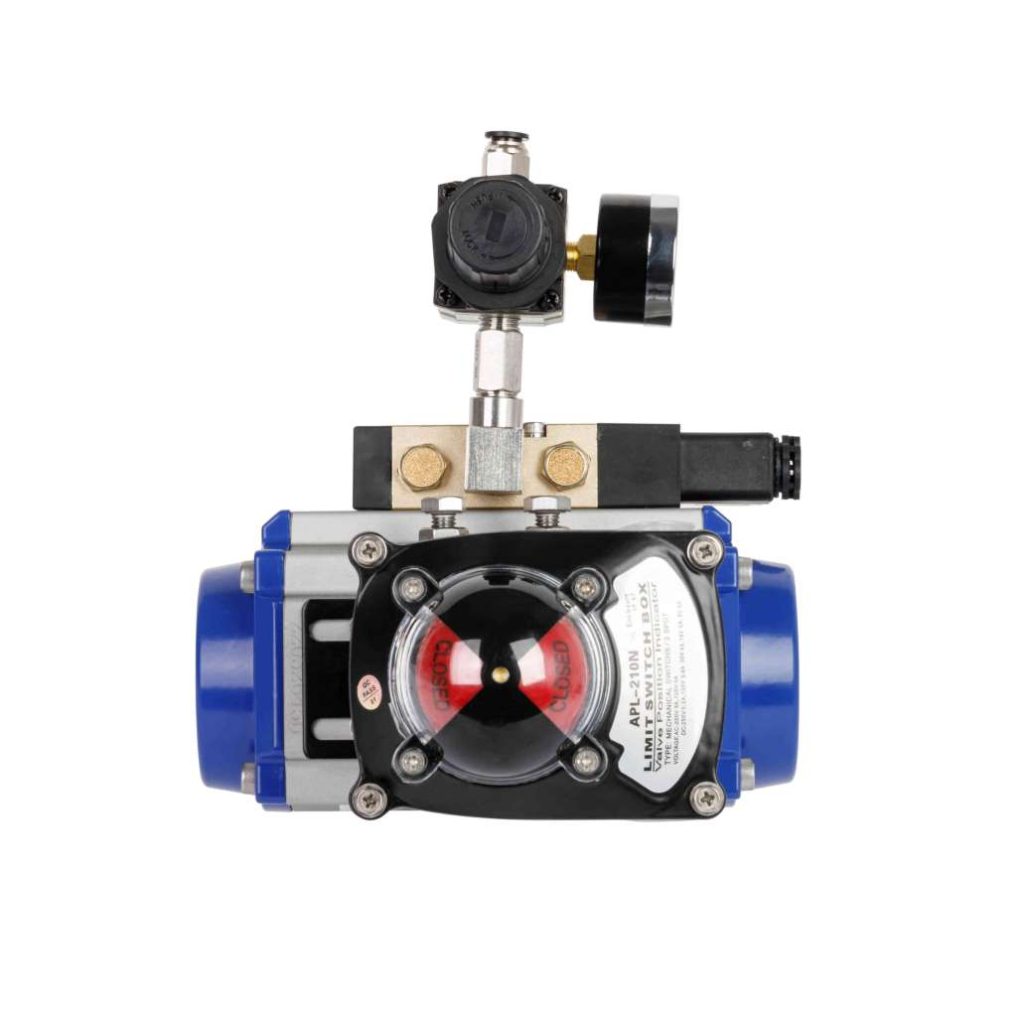
Pneumatic actuators are essential components in modern automation systems, offering a simple and efficient way to convert compressed air into mechanical motion. These devices are widely used across a variety of industries, including manufacturing, automotive, and robotics, due to their reliability, speed, and cost-effectiveness. In this article, we will explore the working principle, applications, advantages, and types of pneumatic actuators, as well as their role in enhancing industrial processes.
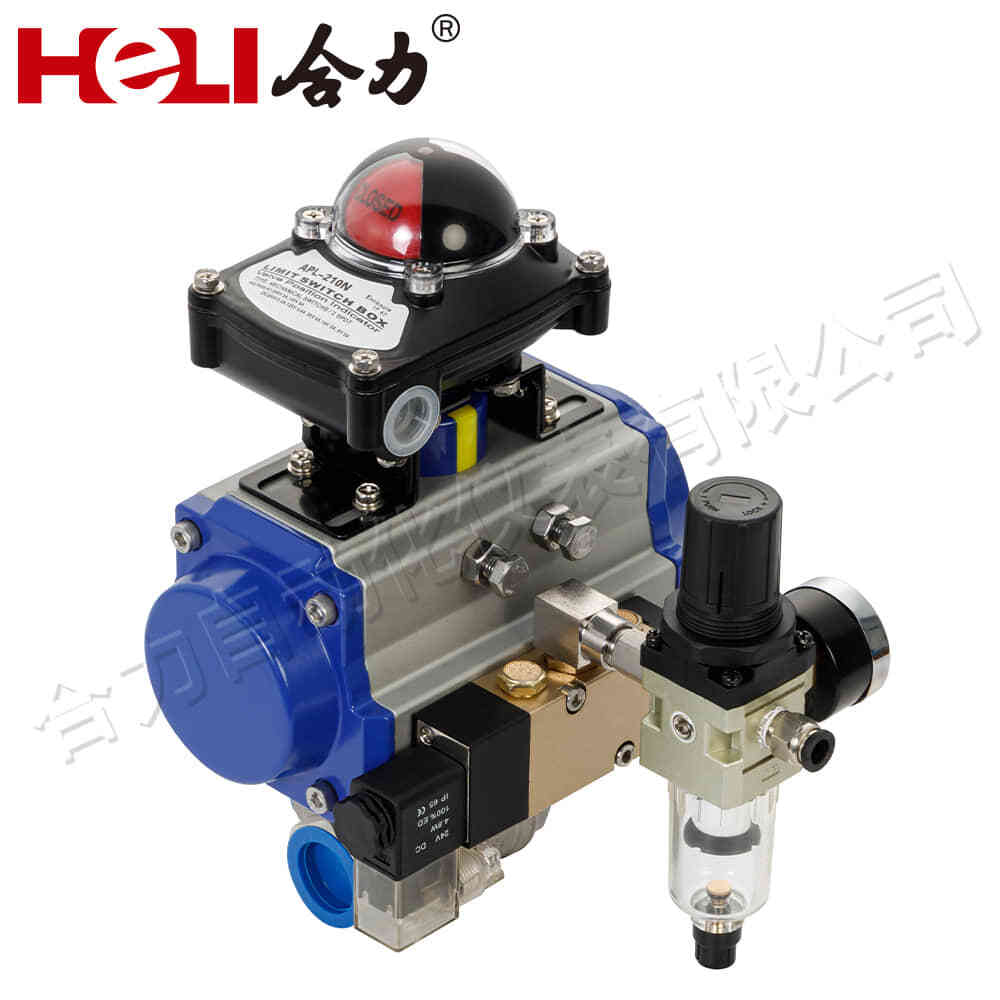
Working Principle of Pneumatic Actuators
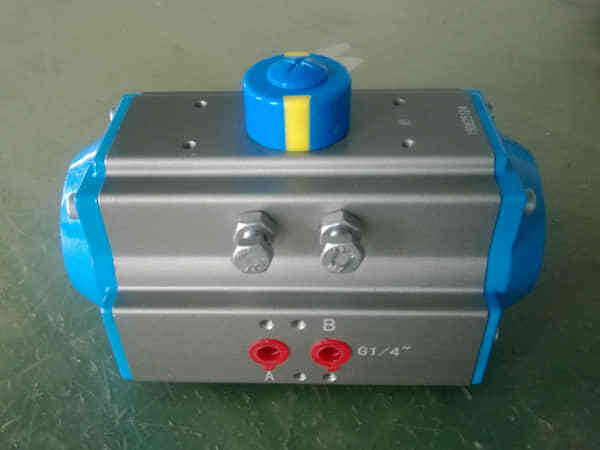
At the core of a pneumatic actuator lies its ability to transform the energy stored in compressed air into linear or rotary motion. When compressed air is introduced into the actuator, it creates a pressure differential that moves a piston, generating mechanical force. This force can then be harnessed to perform various tasks, such as opening or closing valves, moving machinery, or controlling robotic arms. Pneumatic actuators operate based on Boyle’s Law, which states that the pressure of a gas is inversely proportional to its volume. When air enters the actuator, the volume of the cylinder increases, causing the pressure to drop and, in turn, activating the movement of the piston. This mechanism is highly efficient and allows for rapid motion in both small and large-scale operations.