In industrial processes, controlling the flow of liquids and gases efficiently and effectively is crucial for achieving optimal performance and maintaining safety standards. Among the various valve types available, the stainless steel electric pinch valve has gained significant popularity due to its unique characteristics and versatility. This article delves into the features, advantages, and applications of stainless steel electric pinch valves, highlighting why they have become an essential component in modern fluid control systems.
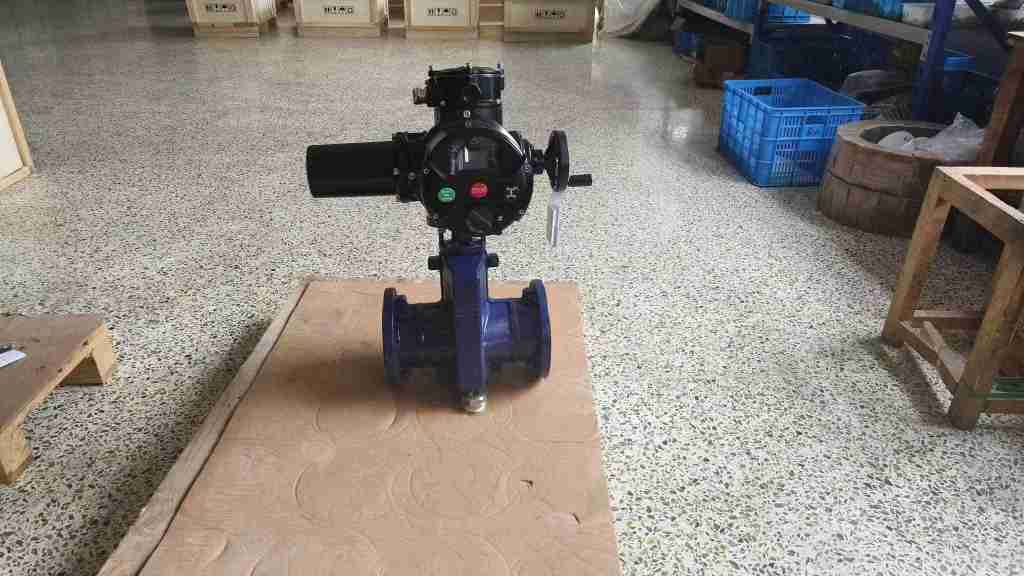
Understanding Electric Pinch Valves Electric pinch valves operate on a simple yet effective principle: they use an electric actuator to apply pressure to a flexible tube or hose, effectively squeezing it to regulate the flow of fluids. This design eliminates many challenges associated with traditional valve systems, such as clogging, seizing, and leakage. The stainless steel construction enhances the durability and longevity of these valves, making them ideal for harsh industrial environments. Key Features of Stainless Steel Electric Pinch Valves Corrosion Resistance: One of the most significant advantages of stainless steel electric pinch valves is their resistance to corrosion. Constructed from high-quality stainless steel, these valves can withstand the harsh chemicals and abrasive materials often found in industrial processes. This property ensures a longer lifespan, reducing the need for frequent replacements and maintenance.