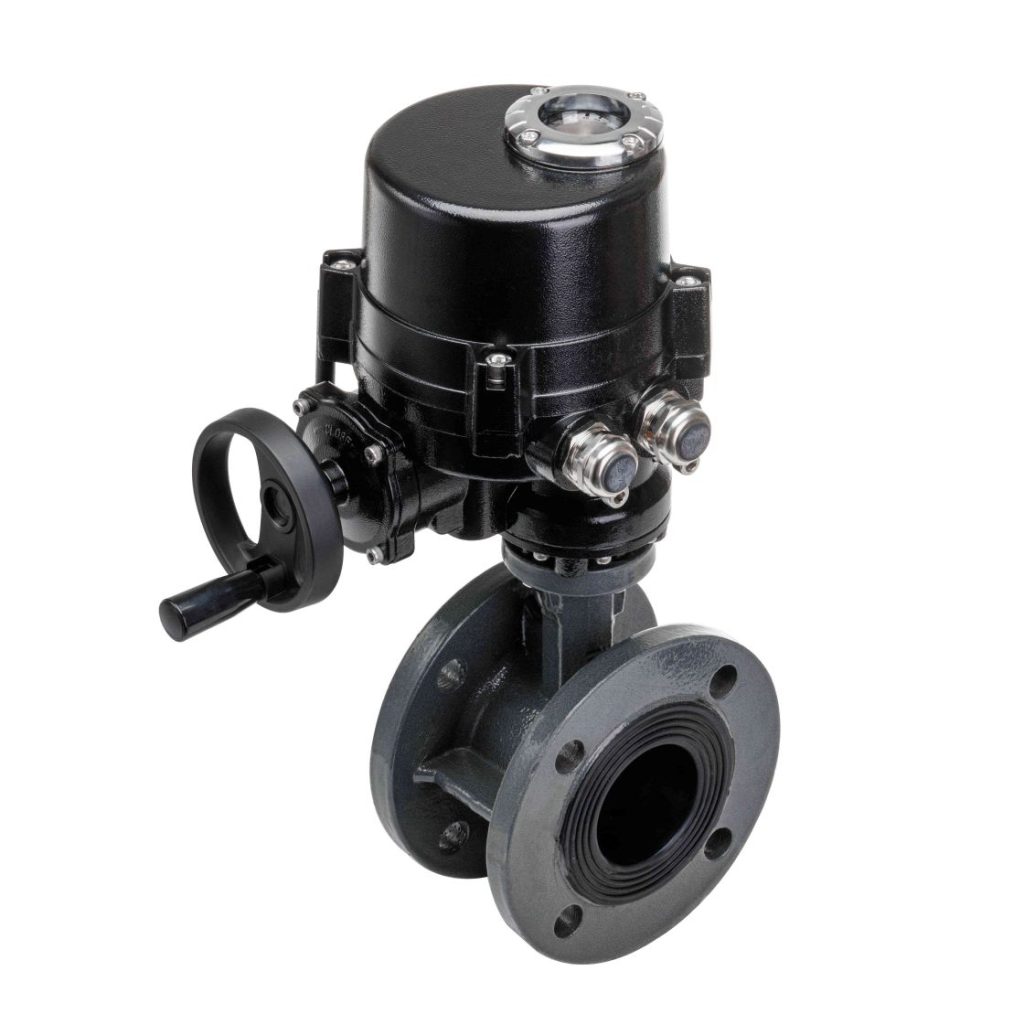
The WCB Electric Ball Valve is an essential component in modern industrial automation, particularly in systems that require precise flow control. Combining the robustness of WCB carbon steel with the efficiency of electrical actuation, this type of valve is designed to meet a variety of requirements across numerous applications. This article will delve into the structure, functionality, advantages, applications, and maintenance of the WCB Electric Ball Valve, providing a well-rounded understanding of its significance in today’s industrial landscape.
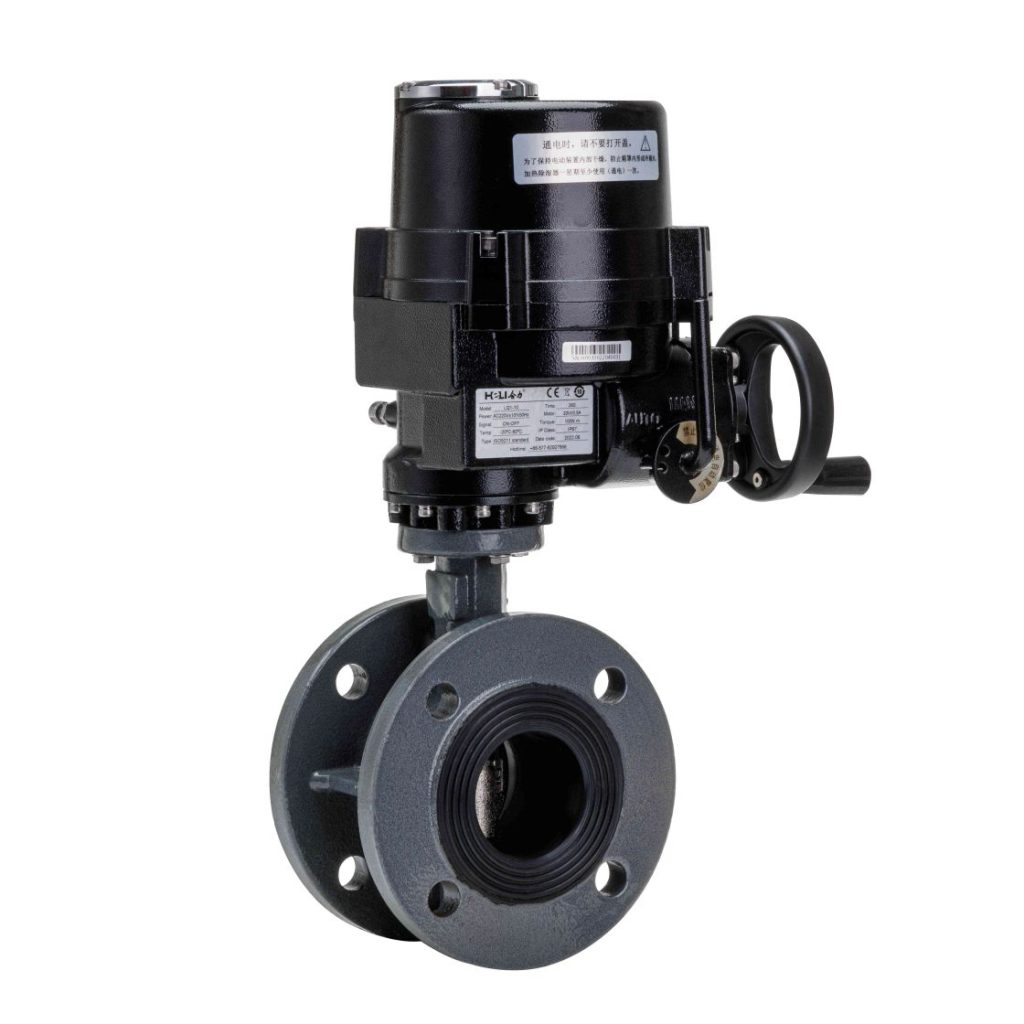
Structure and Materials
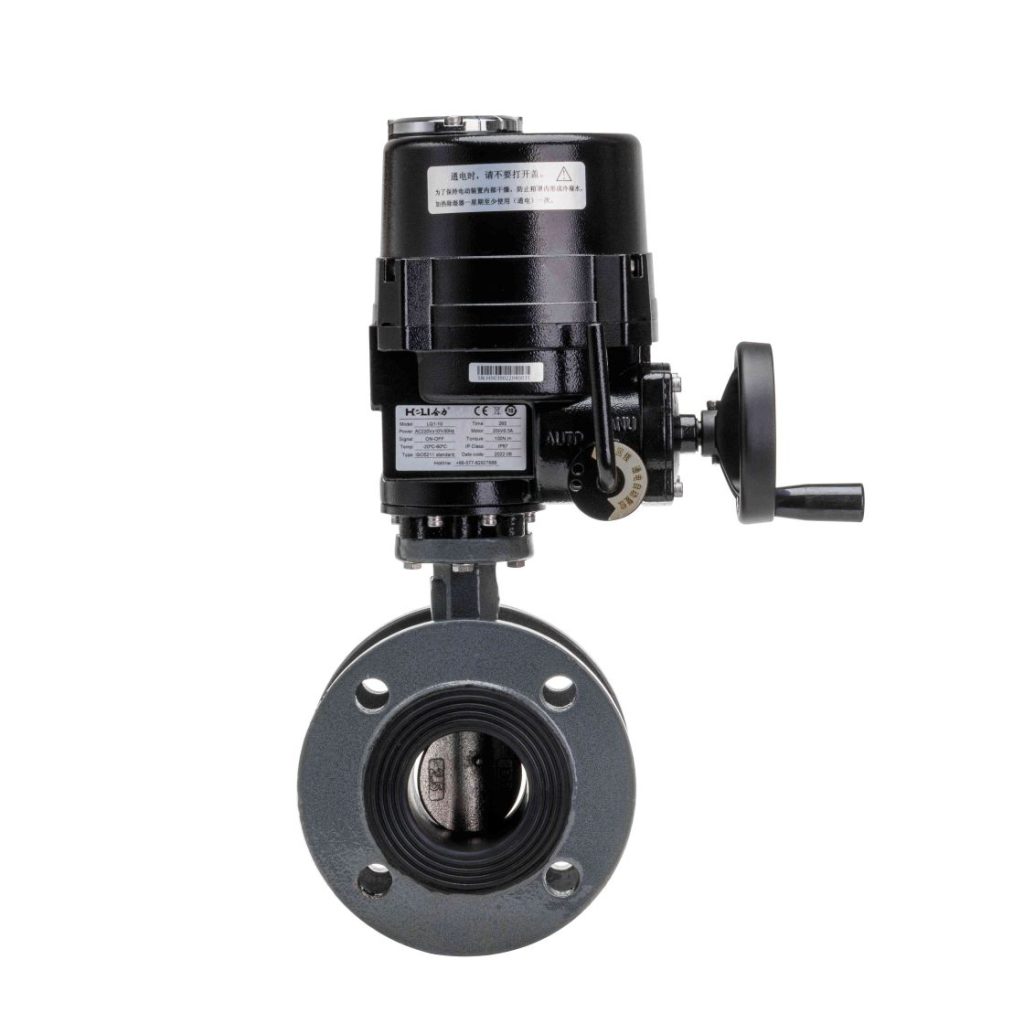
The WCB Electric Ball Valve typically features a body made from WCB carbon steel, known for its excellent strength and durability. This material is particularly advantageous in high-pressure applications, providing a robust solution that can withstand significant stress and wear. The valve core is often manufactured from stainless steel to enhance corrosion resistance and ensure that the valve performs effectively over time. Moreover, the sealing components—usually made from materials like PTFE (Teflon)—play a crucial role in preventing leaks and maintaining system integrity. These materials are selected for their excellent chemical resistance and ability to withstand varying temperatures, ensuring reliability even in demanding environments.