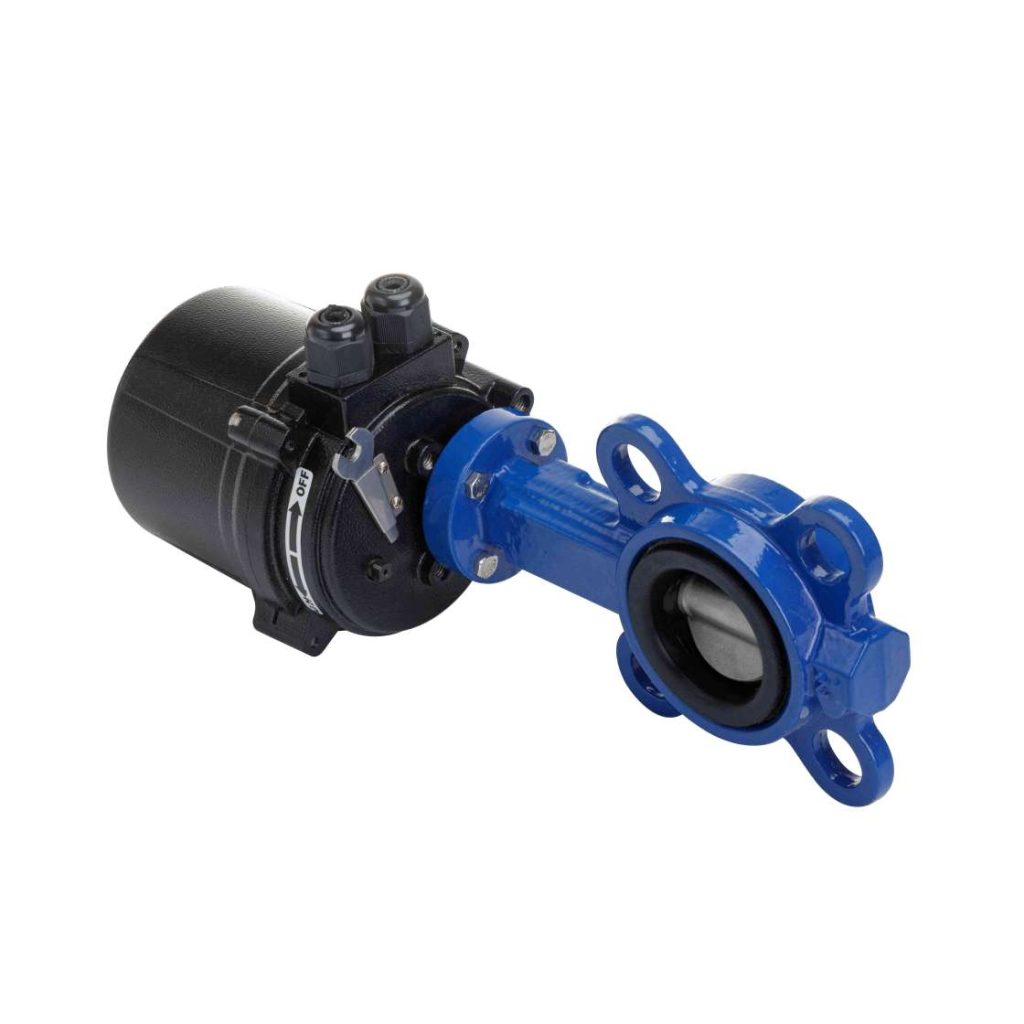
The WCB Electric Butterfly Valve is an essential component widely used in various industries for controlling fluid flow. Butterfly valves, in general, are critical for regulating the flow of liquids and gases in pipes. The WCB Electric Butterfly Valve, specifically, combines the robust characteristics of WCB (Wrought Carbon Steel) material with the convenience and precision of electric actuation. This article delves into the features, applications, advantages, and considerations of using WCB Electric Butterfly Valves in modern industrial processes.
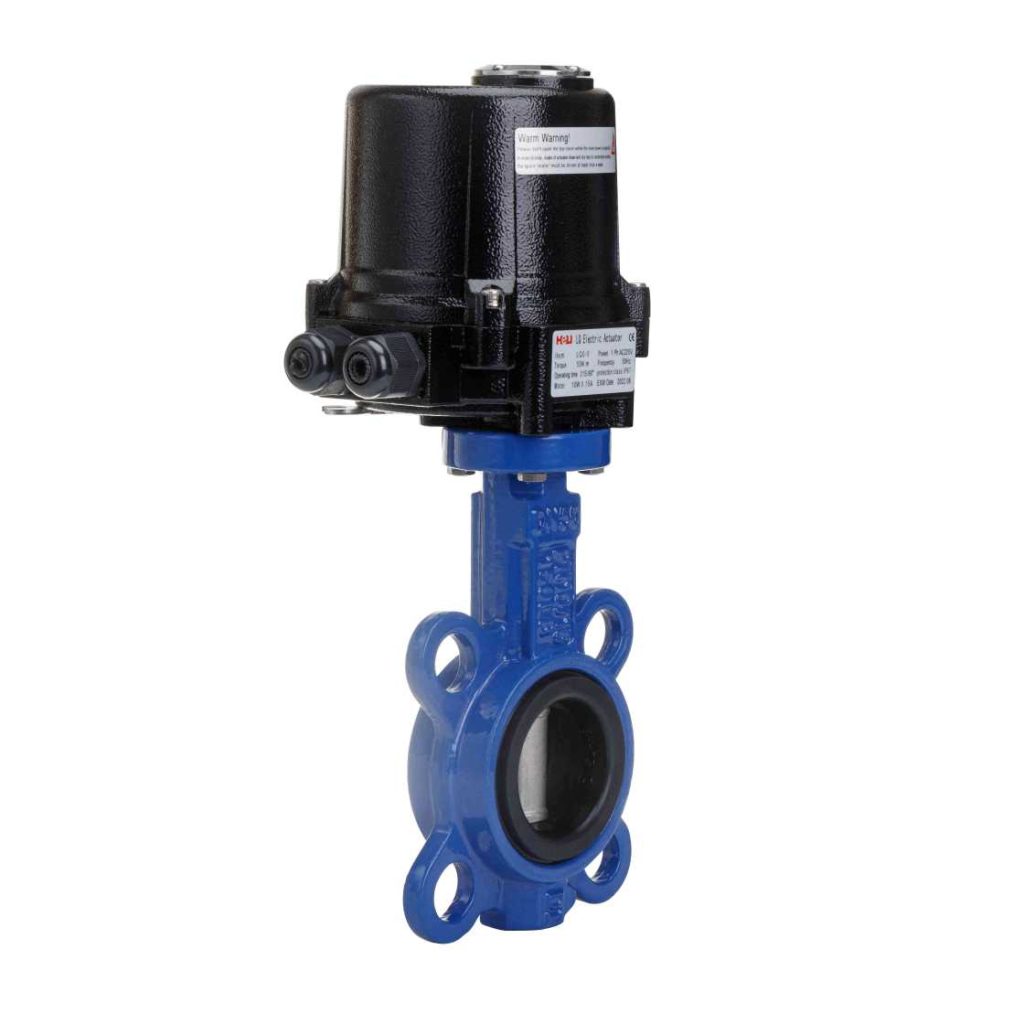
What is a WCB Electric Butterfly Valve?
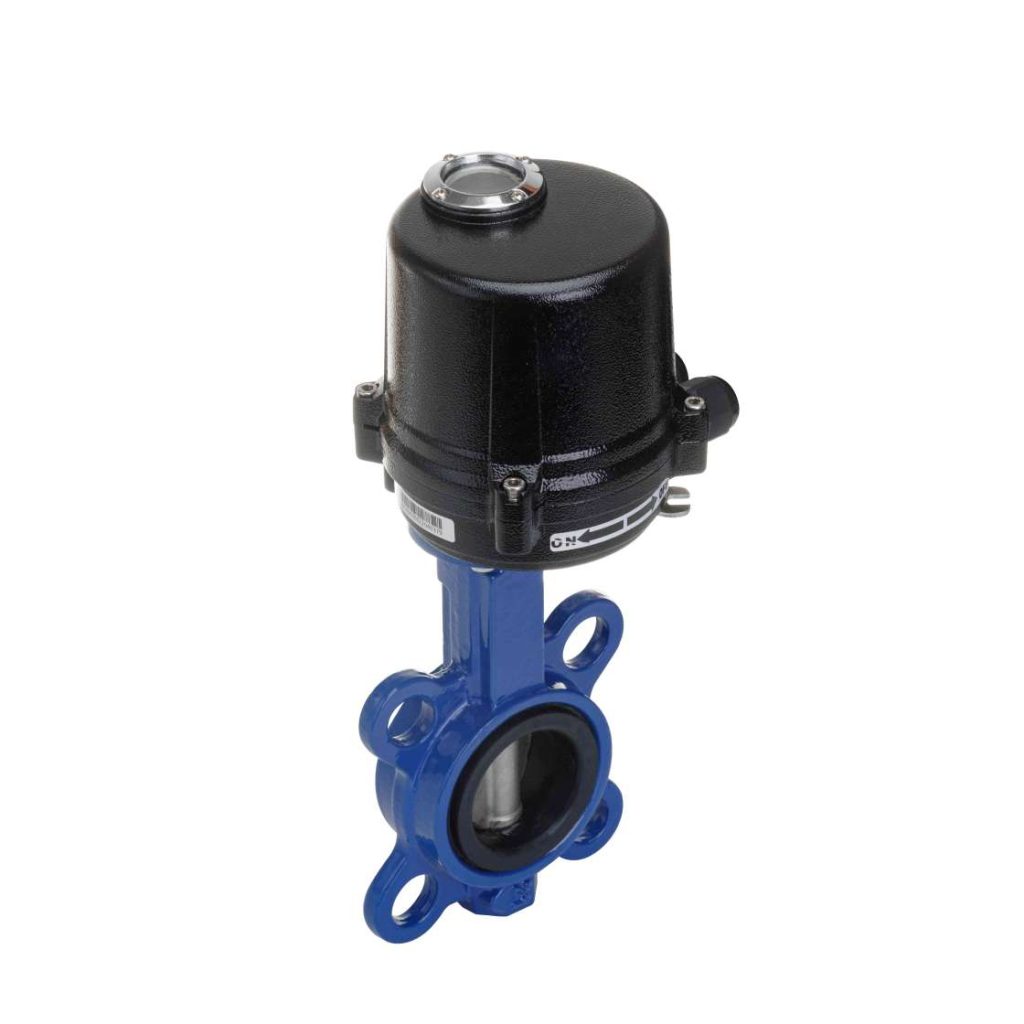
A WCB Electric Butterfly Valve consists of two primary components: the valve body made from WCB (Wrought Carbon Steel) and the electric actuator that controls the valve’s opening and closing. The butterfly valve itself operates on the principle of a rotating disc that either partially or fully blocks the flow of fluids. The electric actuator is responsible for adjusting the valve position remotely, providing ease of control in automated systems. WCB material is widely chosen due to its excellent strength, durability, and resistance to corrosion, making it an ideal choice for handling a variety of fluids, especially in demanding industrial environments. The electric actuator, typically powered by electricity, ensures that the valve operates smoothly without the need for manual intervention.