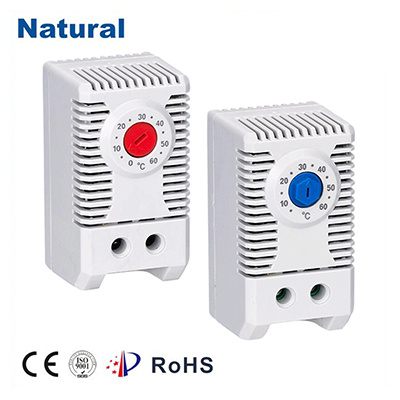
A bimetal thermostat is a widely used temperature control device that operates based on the principle of thermal expansion. This simple yet reliable mechanism has found applications across various industries, from household appliances to automotive systems. In this article, we will explore how bimetal thermostats work, their components, applications, advantages, and the reasons behind their continued use in a world dominated by advanced electronic temperature control systems.
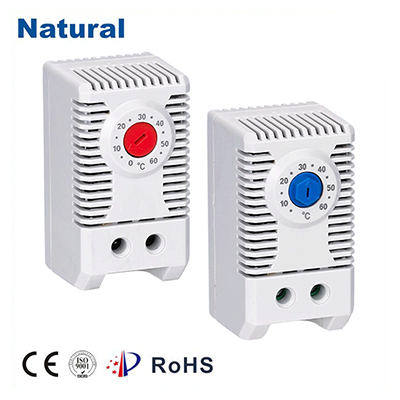
What is a Bimetal Thermostat?
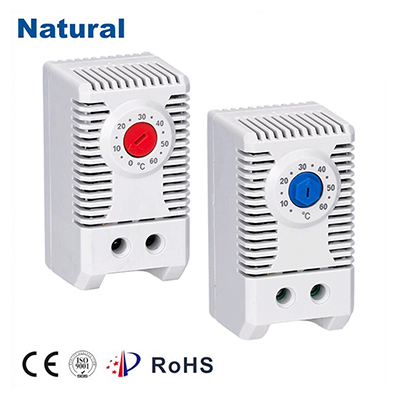
A bimetal thermostat consists of two strips of different metals, each with a distinct coefficient of thermal expansion. When these metal strips are heated or cooled, they expand or contract at different rates, causing the strip to bend. This bending motion is harnessed to open or close an electrical contact, thereby regulating the temperature of the system it is controlling. The key characteristic of a bimetal thermostat is its simplicity. Unlike more complex thermostats that rely on electronics or sensors, a bimetal thermostat operates purely based on the physical properties of the metals used. This mechanical solution makes bimetal thermostats reliable, durable, and cost-effective.