As the world increasingly transitions toward sustainable energy sources, hydrogen has emerged as a significant player in the quest for carbon neutrality. Hydrogen energy, known for its potential to produce clean energy without harmful emissions, is gaining attention in various sectors, including transportation, manufacturing, and power generation. A crucial component in the hydrogen energy infrastructure is the electric single seat regulating valve. This article explores the importance, functionalities, and applications of the Hydrogen Energy Electric Single Seat Regulating Valve, emphasizing its role in optimizing hydrogen management systems.
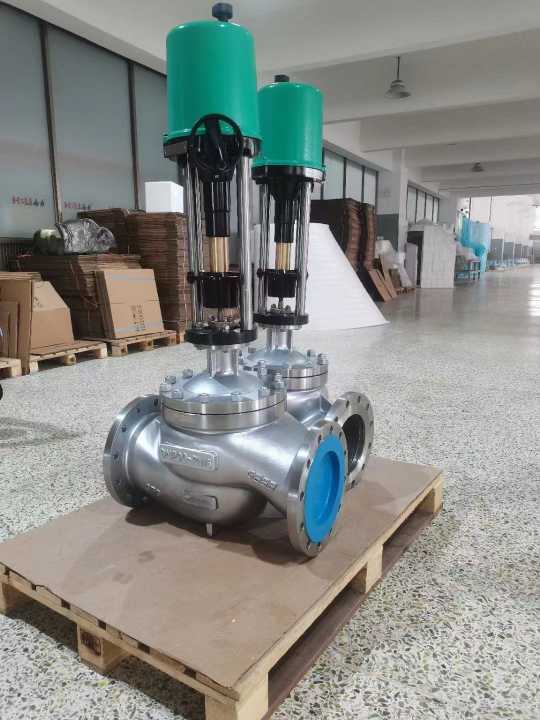
Understanding the Electric Single Seat Regulating Valve The electric single seat regulating valve is designed to control the flow of fluids, ensuring precise regulation in various systems. Its simple yet effective structure consists of a valve body, a valve plug or disk, and an electric actuator. The single seat design, which features a single sealing surface, is ideal for managing the flow of hydrogen gas due to its efficient sealing capabilities. Electric actuators are integral to this valve’s operation, offering reliable and automated control. By receiving a control signal from a system—such as a Programmable Logic Controller (PLC) or a Distributed Control System (DCS)—the actuator adjusts the valve opening accordingly. This automated capability improves precision in flow management while reducing the risk of human error.