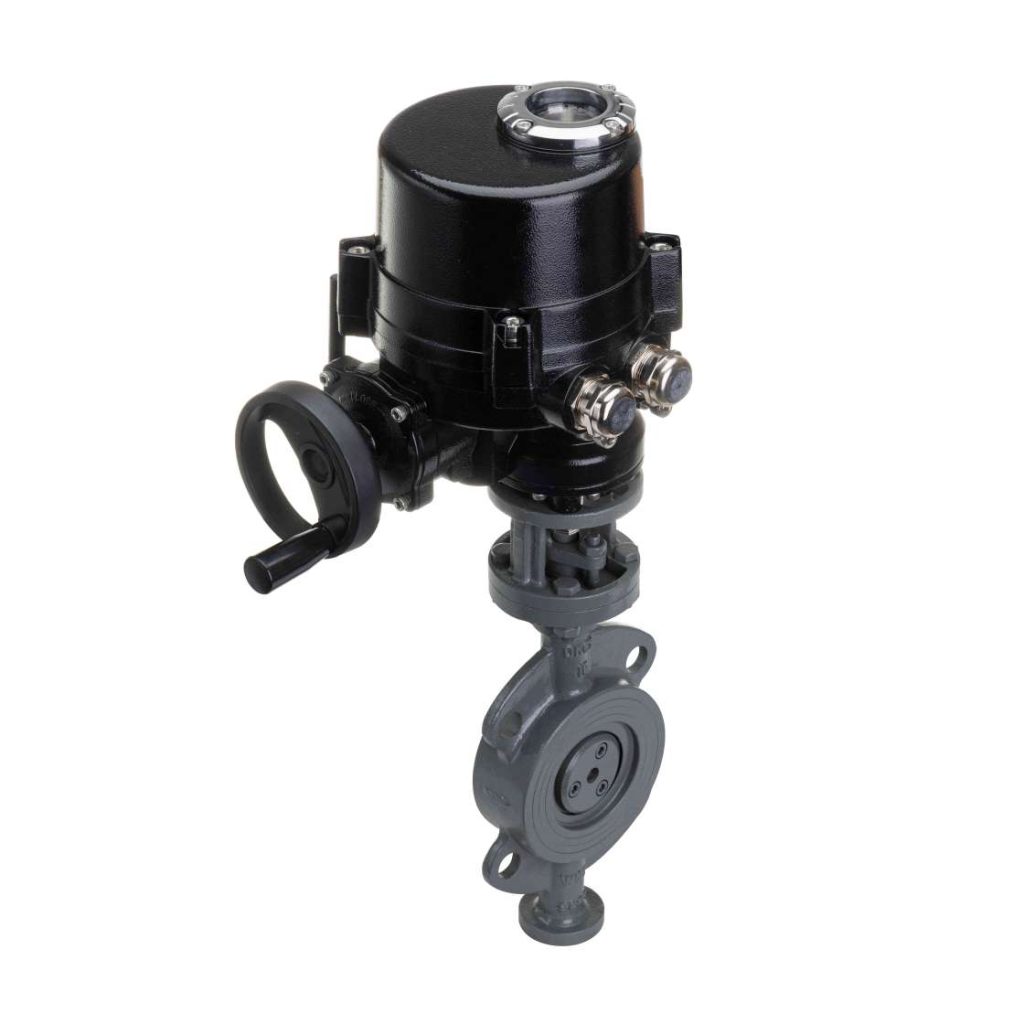
Marine electric butterfly valves are critical components in the management of fluid control systems aboard ships. These valves are designed to handle the control of liquids and gases in a wide range of marine applications, from ballast systems to cooling and heating circuits. With advancements in technology, marine electric butterfly valves are now being manufactured to provide highly efficient, reliable, and precise operation, significantly enhancing the performance of marine systems. This article delves into the functionality, features, and advantages of marine electric butterfly valves, while highlighting their importance in the modern maritime industry.
What is a Marine Electric Butterfly Valve?
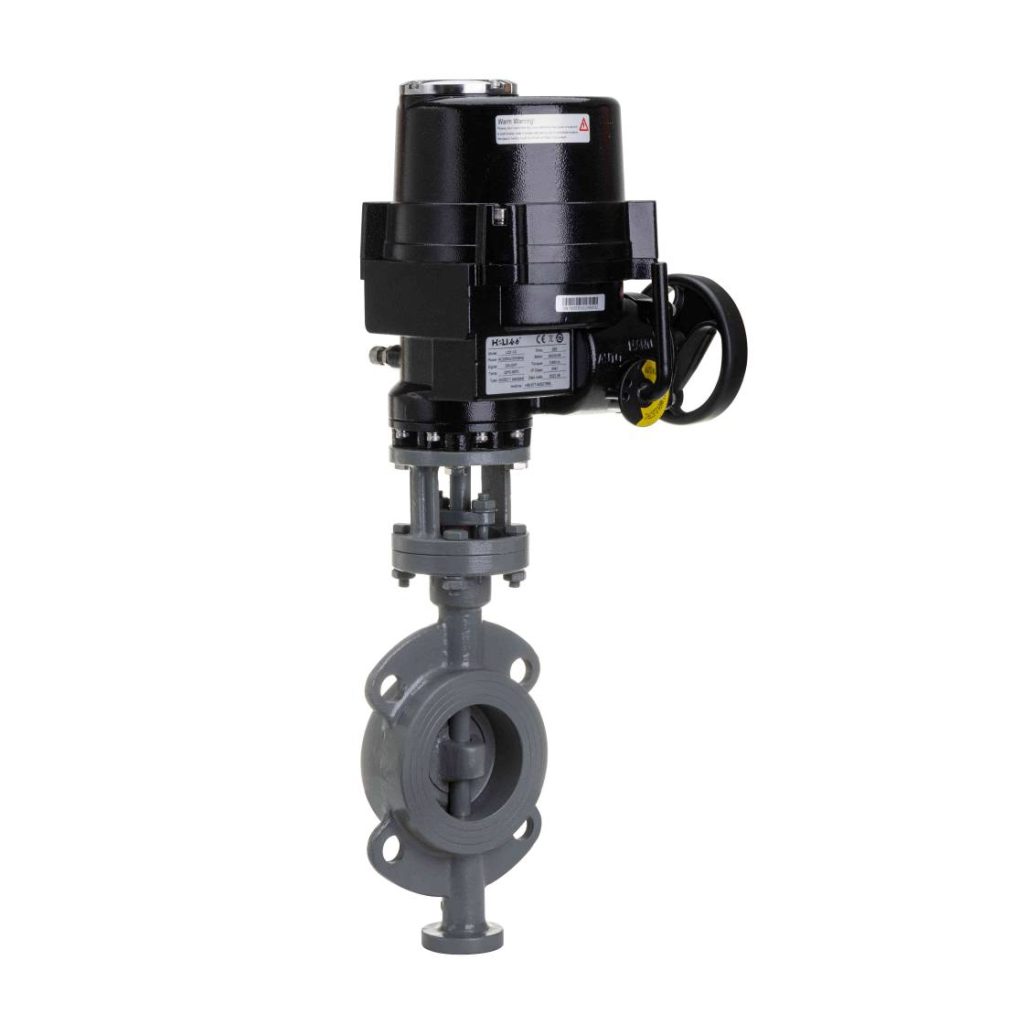
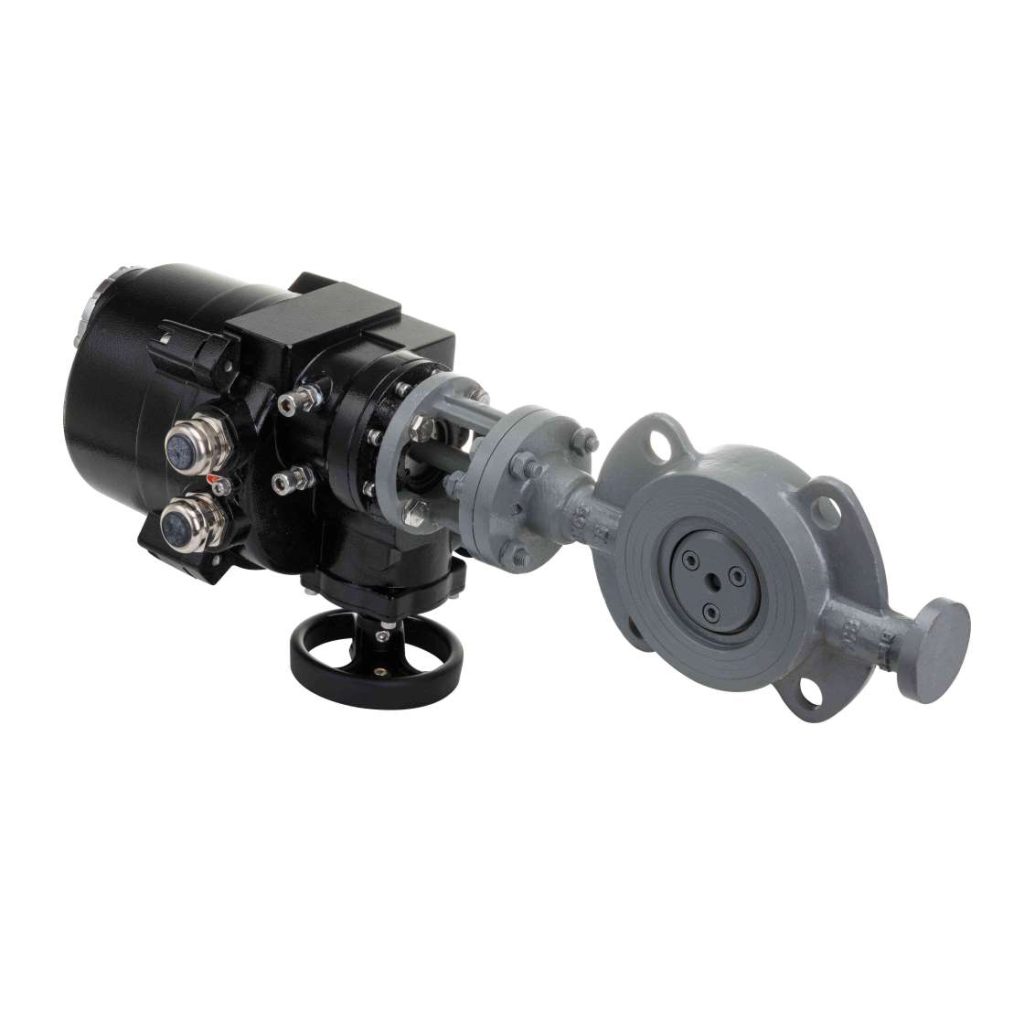
A marine electric butterfly valve is a type of valve that uses an electric actuator to control the flow of fluid. It operates by rotating a disk or “butterfly” within the valve body to open or close the flow path. The electric actuator is responsible for the rotation of the disk, typically powered by an electric motor, which provides a more precise and controlled operation compared to traditional manual valves. These valves are commonly used in marine systems, such as in fuel and water management systems, to regulate the flow of liquids or gases. Functionality of Marine Electric Butterfly Valves