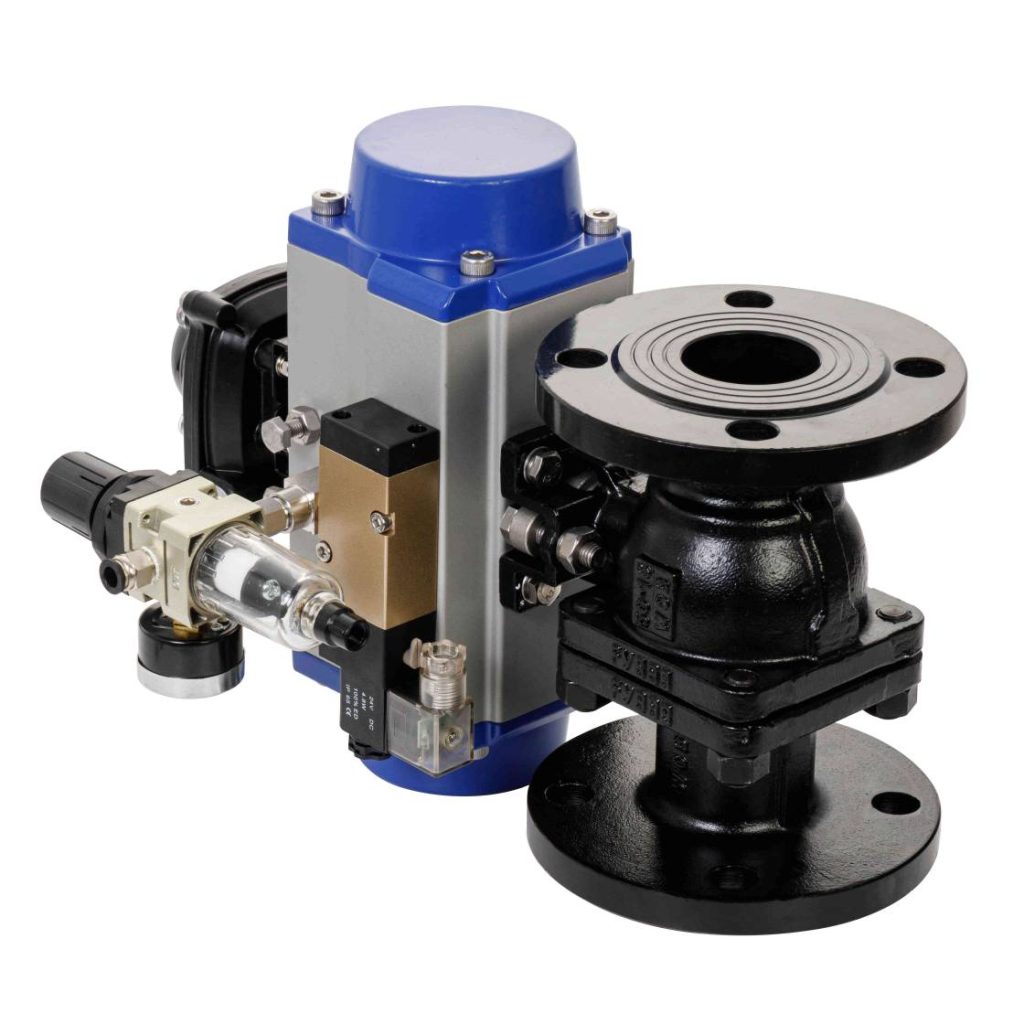
Pneumatic ball valves are pivotal components in many industrial settings, known for their efficiency and reliability in controlling fluid flow. Utilizing compressed air as the actuation force, these valves offer a robust solution to manage various fluids, including gases and liquids, across a range of applications. This article delves into the workings, benefits, and uses of pneumatic ball valves, providing a comprehensive overview for those interested in understanding this essential technology.
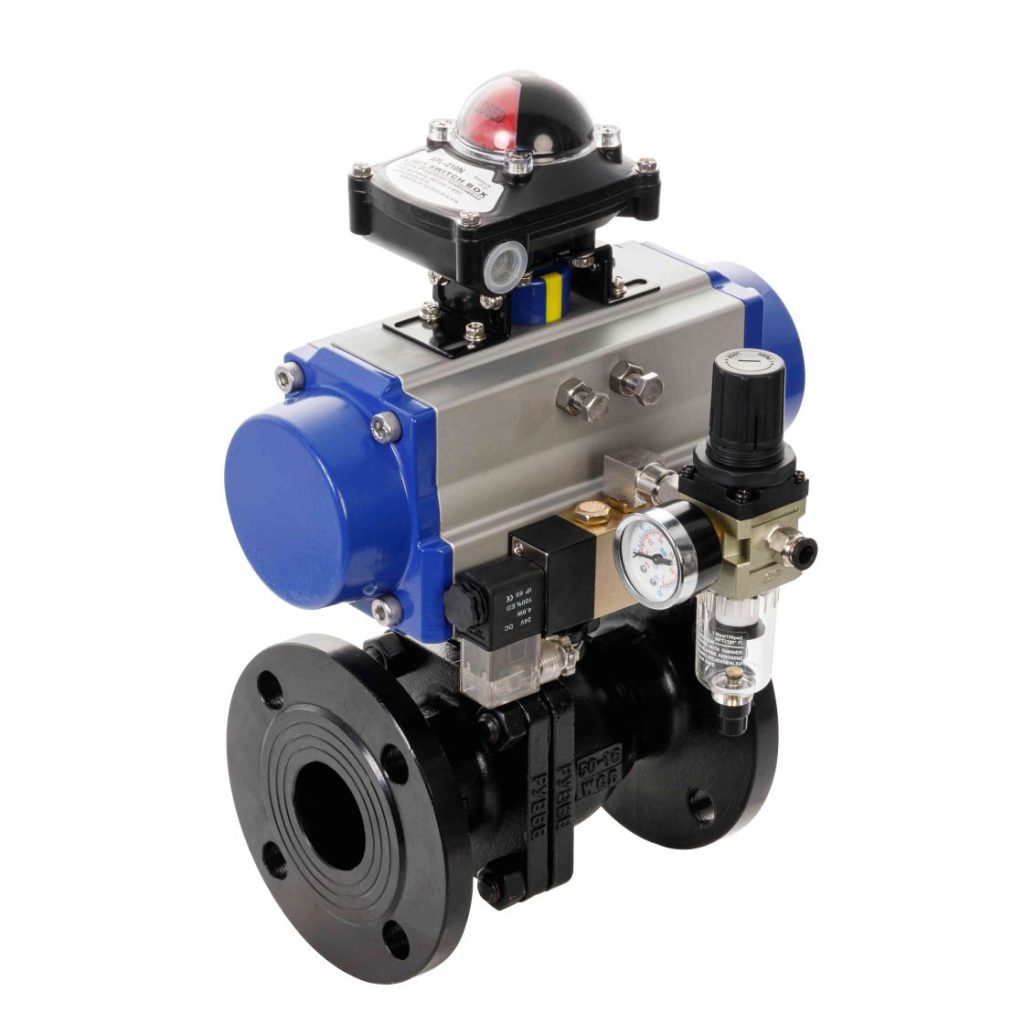
Mechanism of Pneumatic Ball Valves
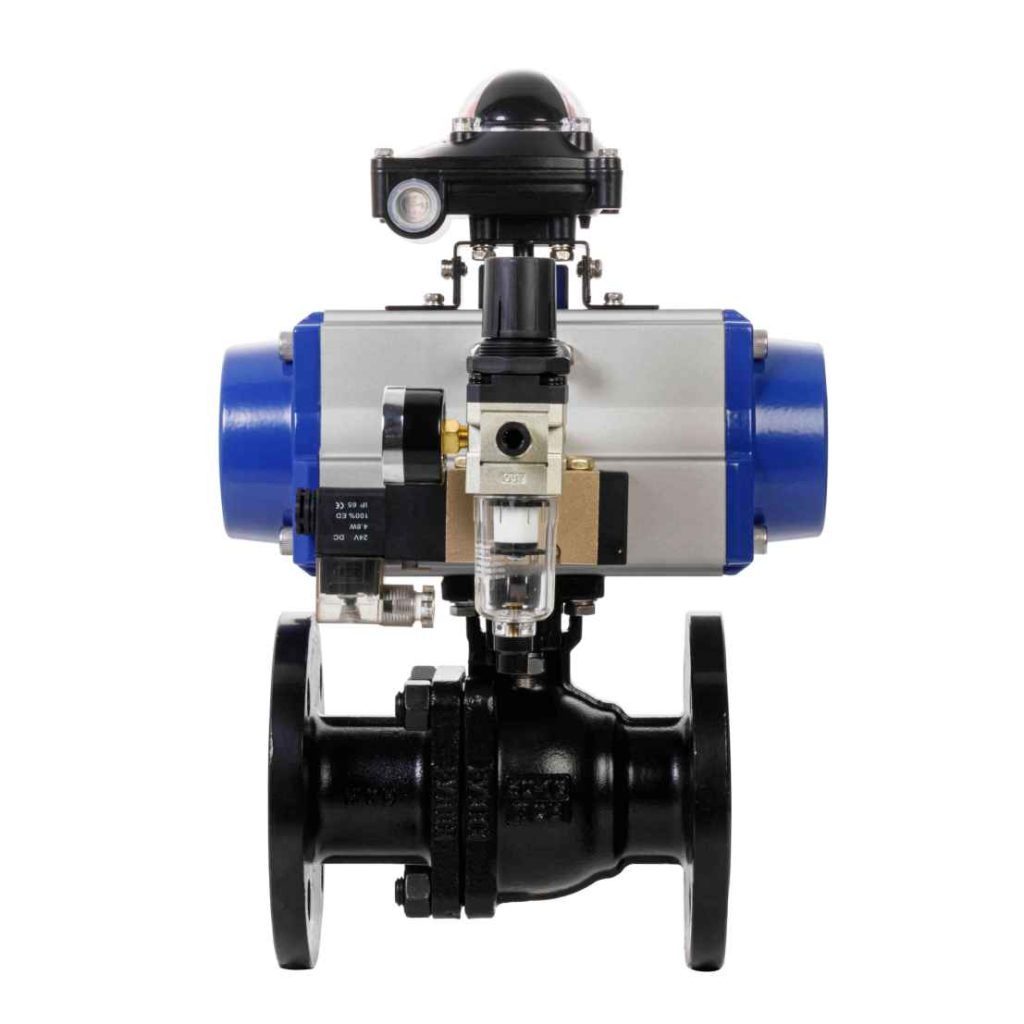
A pneumatic ball valve consists of several key components: Valve Body: Typically made from materials like stainless steel, brass, or high-grade plastics, the valve body houses the internal mechanisms and withstands the pressure of the fluid being controlled. Ball Element: The ball, a crucial part of the valve, has a central hole that allows fluid to flow through when the valve is in the open position. When rotated 90 degrees, the ball closes the passage, effectively stopping the flow. Pneumatic Actuator: This is the heart of the pneumatic ball valve’s operation. The actuator, powered by compressed air, converts air pressure into mechanical movement to turn the ball. There are two types of actuators: single-acting (which uses a spring return to return the valve to its default position) and double-acting (which requires air pressure to both open and close the valve).