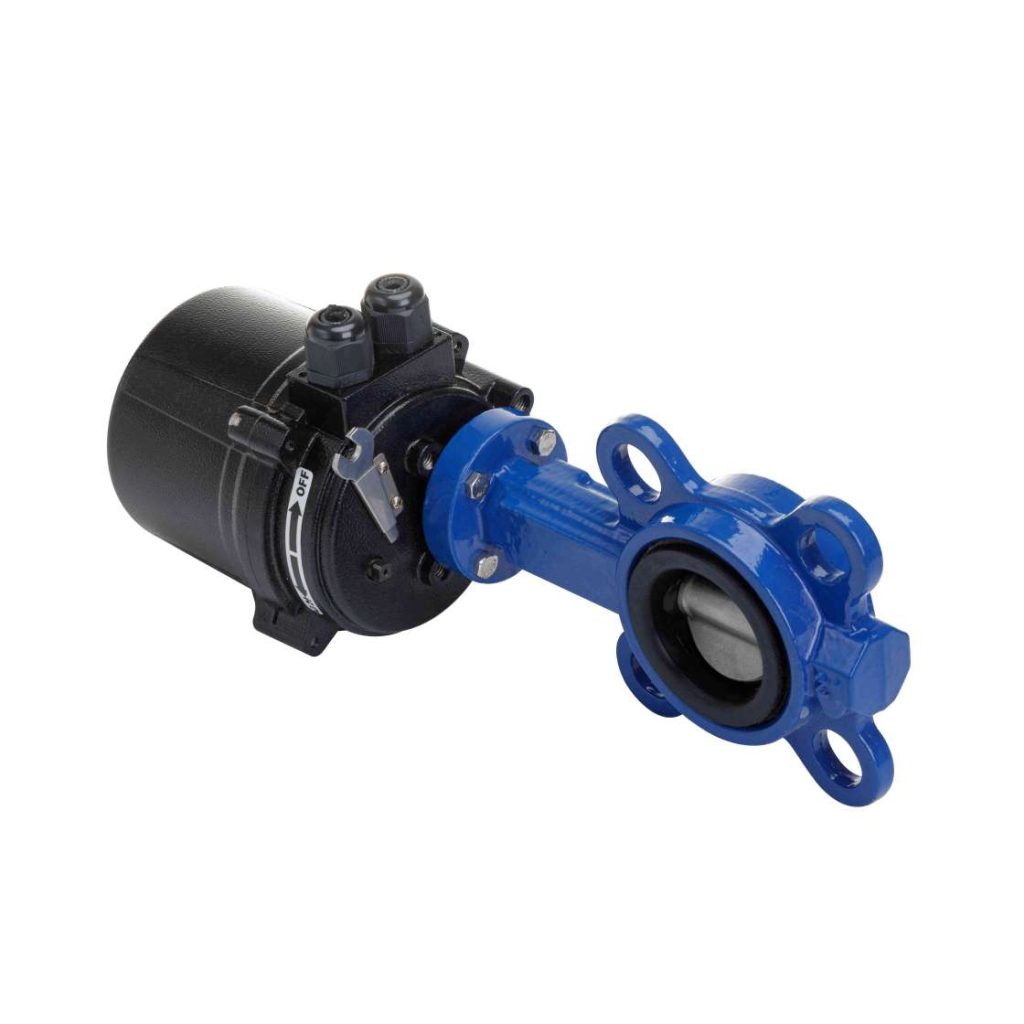
The WCB Electric Butterfly Valve is an essential component in modern industrial systems, renowned for its efficiency, durability, and versatility. This valve type is commonly used to control the flow of various fluids and gases in pipelines. The WCB Electric Butterfly Valve combines the functionality of a butterfly valve with the power of electric actuators, offering precise control over flow regulation in different applications. This article explores the key features, advantages, and applications of WCB Electric Butterfly Valves, highlighting why they are a preferred choice in many industries.
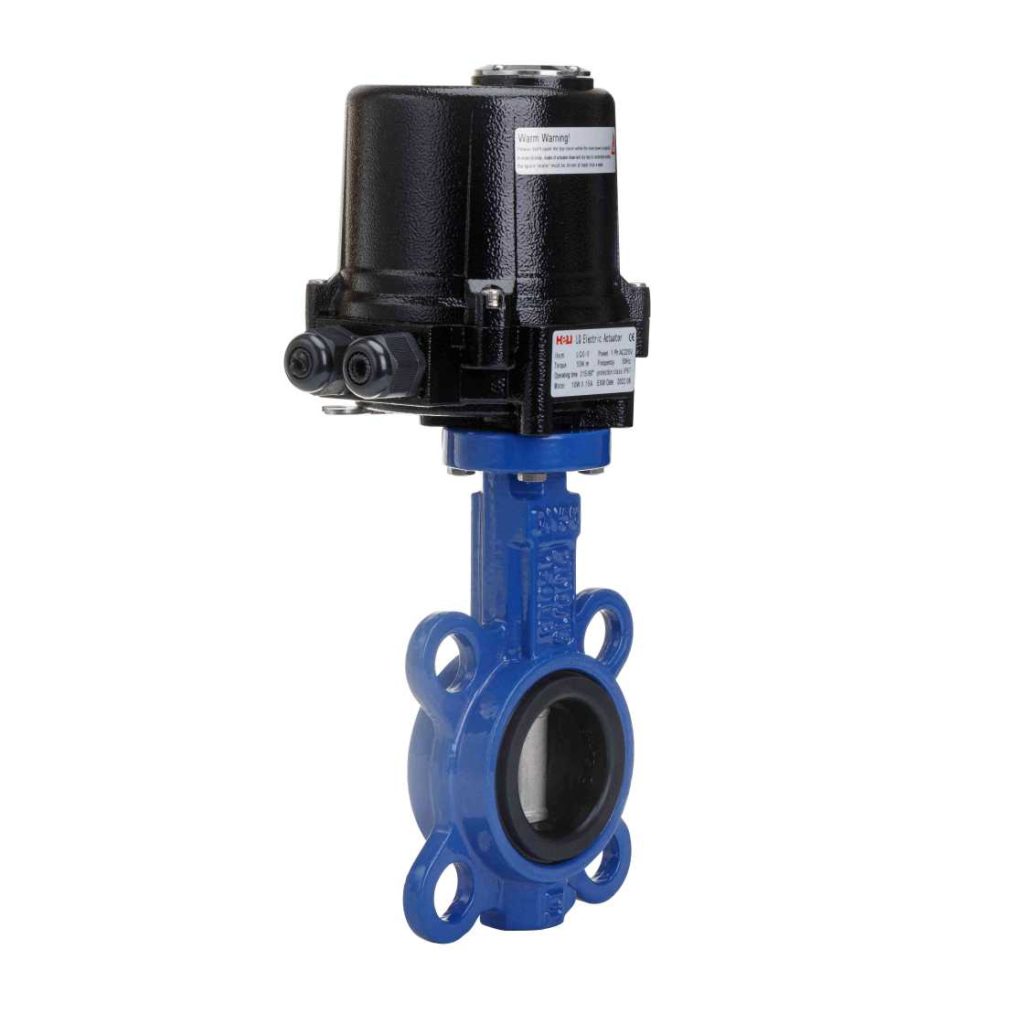
What is a WCB Electric Butterfly Valve?
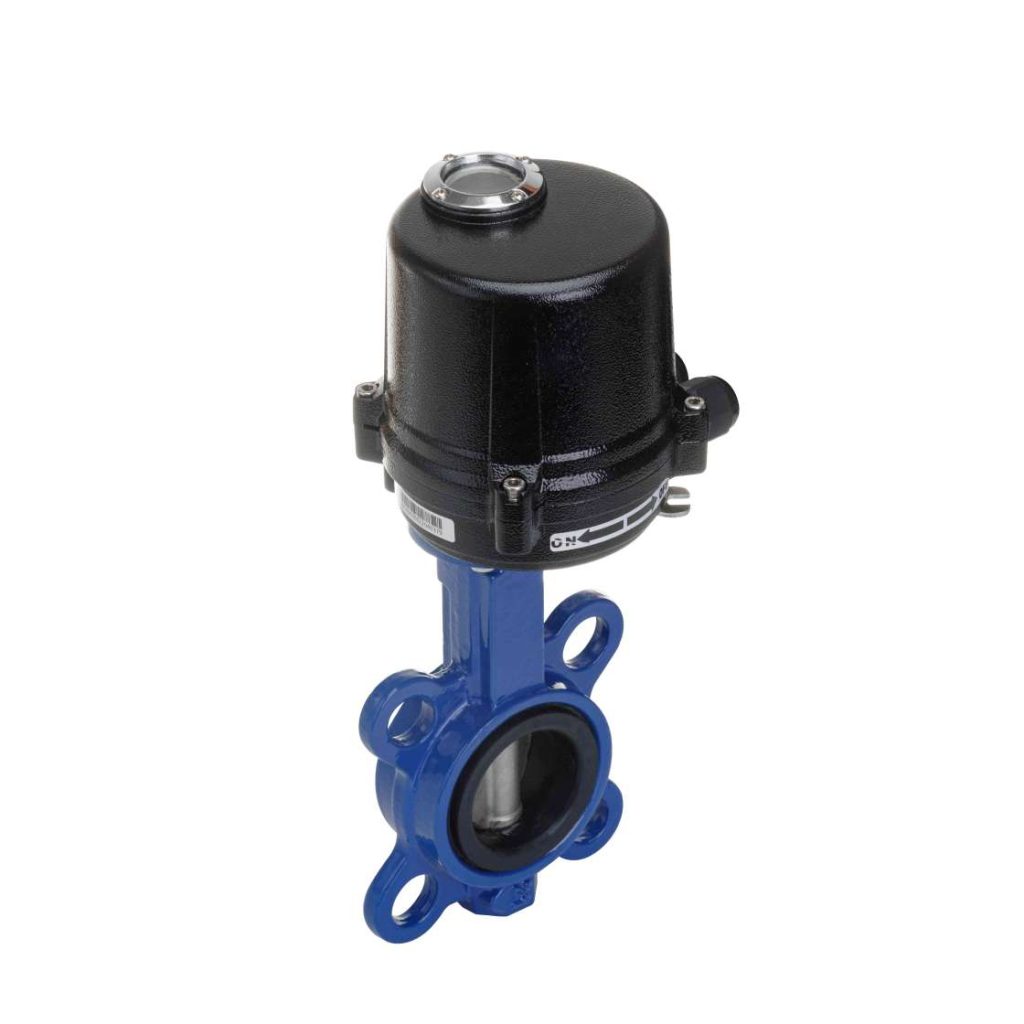
A WCB Electric Butterfly Valve is a type of valve that consists of a disc mounted on a shaft, which is used to regulate the flow of fluids or gases through a pipe. The “WCB” designation refers to the material used for the valve body—WCB is a type of cast carbon steel that is known for its high strength, resistance to wear, and ability to withstand high-pressure environments. The electric actuator is responsible for automatically opening or closing the valve, making it suitable for remote control and automated systems. Unlike traditional manual valves, the electric actuator allows for fast, accurate, and consistent control, improving operational efficiency. These valves can be integrated into a variety of control systems, allowing for seamless operation even in complex or hazardous environments.